
Alex Perez finished putting on his hat, sunglasses and knee brace as he walked to the stony edge of the lagoon in Isla Blanca. Raising a handheld anemometer above his head for a few moments, Perez measured the wind speed – 18 knots – and smiled as he walked to unfurl his orange and blue, 12-meter kite. “Oh yeah,” he said emphatically, “this is gonna be a good one.”
Perez, a 50-year-old lawyer and self-proclaimed adrenaline junkie, has been traveling the world in search of the best kiteboarding locations to quench his thirst for thrill and excitement. “I had a bad skiing accident a few years back and shattered my leg. I decided I needed a sport that would still give me a nice adrenaline rush and be exciting to me. And so, I decided to try kiteboarding.”
Perez has led an active lifestyle all his life, from his experience skiing, wakeboarding, racing motocross and even skydiving. He continues to pursue his active and healthy lifestyle today through kiteboarding.
“The thing about kiteboarding at an age. When I was a competitive athlete when I was younger, you think in terms of tournaments and winning and that sort of thing. But now it’s really just about showing yourself you can accomplish something and still have fun and be in the moment and get active.”
The Importance of Maintaining an Active Lifestyle
For those who may not crave the same sense of adrenaline as Perez, inviting habitual activity into one’s later life can have incredible health benefits. According to Dr. Caroline Cicero, an Instructional Associate Professor of Gerontology at the University of Southern California Leonard Davis School of Gerontology, “Maintaining an active lifestyle is absolutely essential to both physical health and brain health as we age.”
A study conducted by the National Cancer Institute found that engaging in higher levels of physical activity was found to be correlated with a reduced likelihood of developing 13 distinct forms of cancer. Similarly, a study conducted by the Journal of the American Medical Association found older adults who engaged in habitual exercise had a lower risk of mortality when compared to those who did not participate in physical activity.
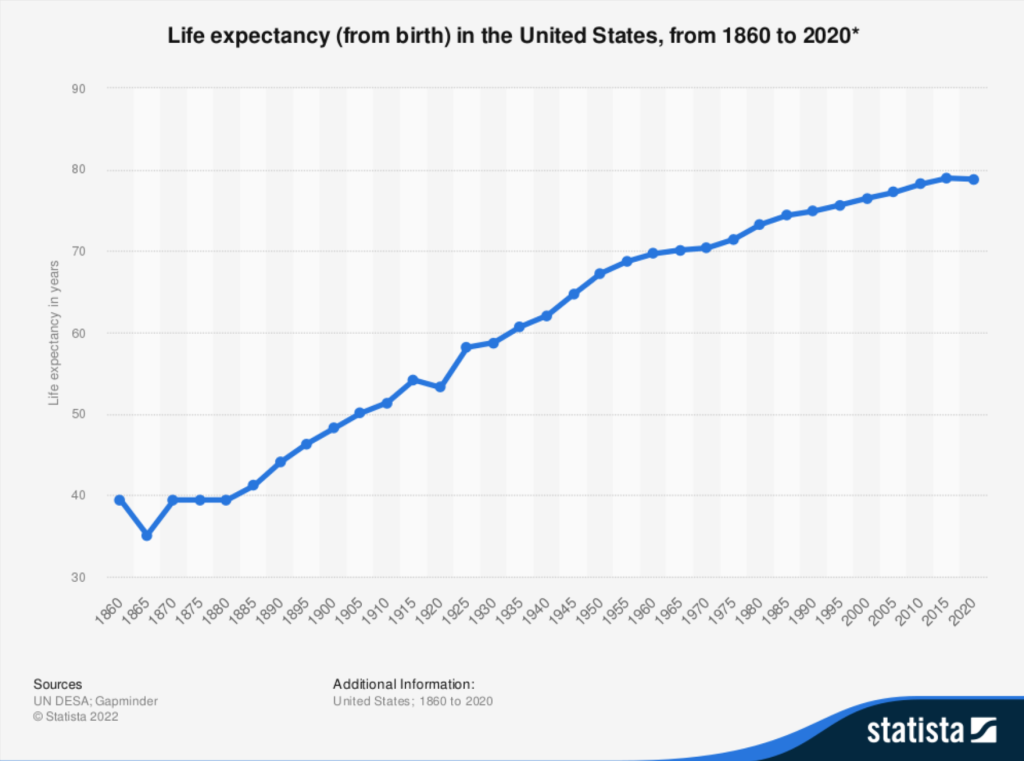
According to the above data from Statista, life expectancy has increased by 23.59 years, from 53.22 in 1920 to 78.81 in 2020. Around the world today, older adults are getting physically younger as time goes on, “especially people with money.” Cicero attributes the correlation between wealth and life expectancy, especially in the United States, to better access to health care. “Kiteboarding is a sport for people that can afford it. So those are also the people that will live longer and who have better health when they retire,” said Cicero.
Only recently becoming safe in 2005, Kiteboarding is the youngest extreme sport and yet it is also the most accessible to both younger people and older adults. For older adults looking to maintain an active lifestyle and learn a new exhilarating, adrenaline-pumping sport, kiteboarding is a perfect option. With the right gear and lessons from a certified instructor, older adults can enjoy the benefits of kiteboarding while minimizing any potential risks. It is a sport that can be enjoyed alone or with others, making it a great way to socialize and meet new people. Additionally, the feeling of gliding on the water and soaring through the air with a kite is an experience unlike any other, making kiteboarding a truly unique and thrilling activity.