As I recollect my first day at USC, I recall looking for a cafeteria and I asked a classmate in the Wallis Annenberg Hall for directions to get a burger. She scoffed at my question saying, “There’s only a dining hall here and you need to pay for your food.” After turning her back on me I walked away astonished not knowing what about me made her so hostile.
As a Chicano born in Los Angeles, the odds of being able to attend a prestigious institution as a first-generation college student such as USC are close to none. It is true for me to say that me attending this institution is an honor and a privilege. However, I soon found my reality as a student did not parallel that of most of my classmates or my initial expectations. I felt unable to connect with those around me and could not adjust or find a place in the college lifestyle I was told throughout my life would be the pinnacle of my youth. Most who played an active part in my life outside of school have told me there is no reason I should feel the way I do about my situation and I have an attitude problem or I’m just ungrateful. Not having (or giving myself) the opportunity of getting to know many of my peers, I decided to focus my capstone project on the experiences of other Chicano students to see how their time at USC compared to mine. Not finding many other students who consider themselves Chicanos, I decided to interview any Latino student at USC willing to share their thoughts. After getting to know about 20 peers of similar heritage, I have learned that many experiences and perceptions I’ve gained are shared throughout the Latino community of USC not only now, but also of the past due to the various socio-economic factors affecting their community as well as others underrepresented on college campuses.
One of many such students who shared similar feelings was Anahi Jimenez, a Chicana student from East Los Angeles, who recollected her experience of immediate alienation. She said “I remember one particular instance… I introduced myself and one of the students asked me, ‘so are you in a gang because you’re from East LA?’”
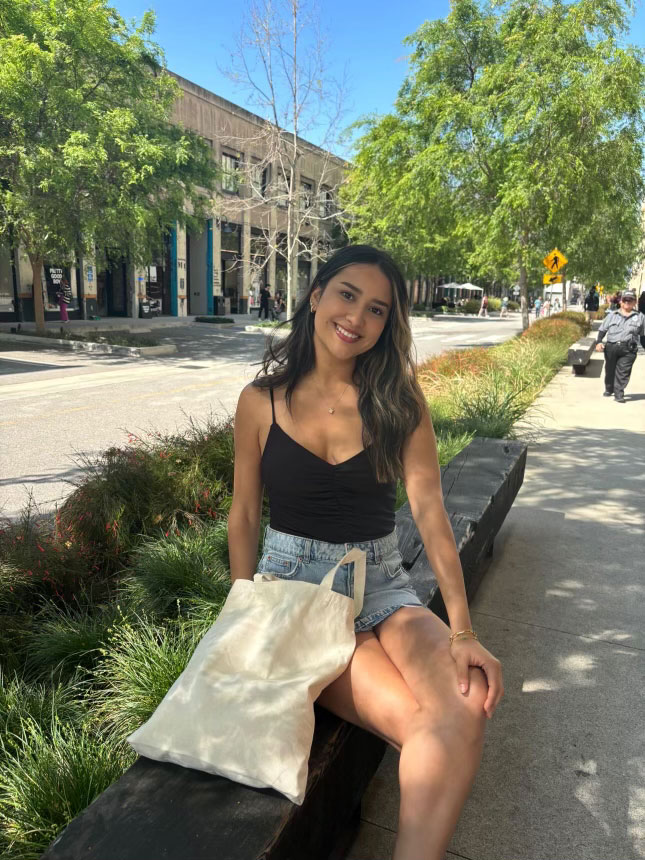
Many Latinos at USC have felt a sense of alienation while on campus. This phenomenon, known as imposter syndrome, causes a person to feel as if they don’t belong in their environment even if they are fully deserving to be there.
Professor Emeritus Richard Santillan of the Department of Ethnic and Women’s Studies of California State University at Cal Poly Pomona, with over 50 years of experience as a Chicano Studies instructor, said “Imposter syndrome is an issue that is rooted from many issues common throughout underrepresented minorities like Latinos in colleges such as lack of financial and social support systems, transportation… a lot of these students are homeless, a lot of them are hungry, many are also undocumented on top of that, especially here in California who allow the undocumented students to study.” He added, “Being Latino with these socio-economic issues at an elite, majority-White institution like USC or Stanford only amplify these issues for them.”
Journalism student Alexa Hernandez Diaz from North Carolina recollected, “Coming into this institution where you had kids that went to private school or had a top education, you notice the differences in their languages and their diction, it kinda makes you feel like you’re inadequate… and I felt I had to catch up.”
On the contrary, a young, anonymous USC office employee felt USC has been a very welcoming environment in her experience. This feeling, however, is unlike her perspective as a student at Loyola Marymount University where she said, “It was different, I felt excluded there. There was not a big Hispanic community within LMU.” She added, “I did not come from a family of a lot of money so the socio-economic standards between me and other students was completely different.”
Established in 1880, USC was founded during an early period in California’s history when the institution sought to provide quality education and opportunities to succeed for prospective students of various influential backgrounds, promising ‘no student would be denied admission because of race.’ This promise can be seen throughout the school’s history, such as being one of the first major universities to recruit people of color for athletic teams and adopting extensive inclusivity measures in recent years to coincide with evolving social norms of its student body.
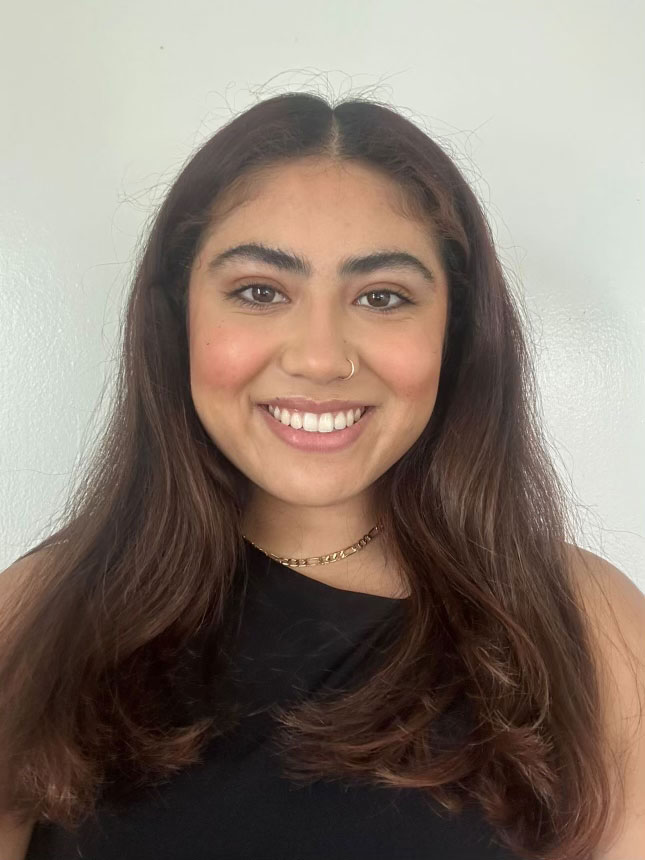
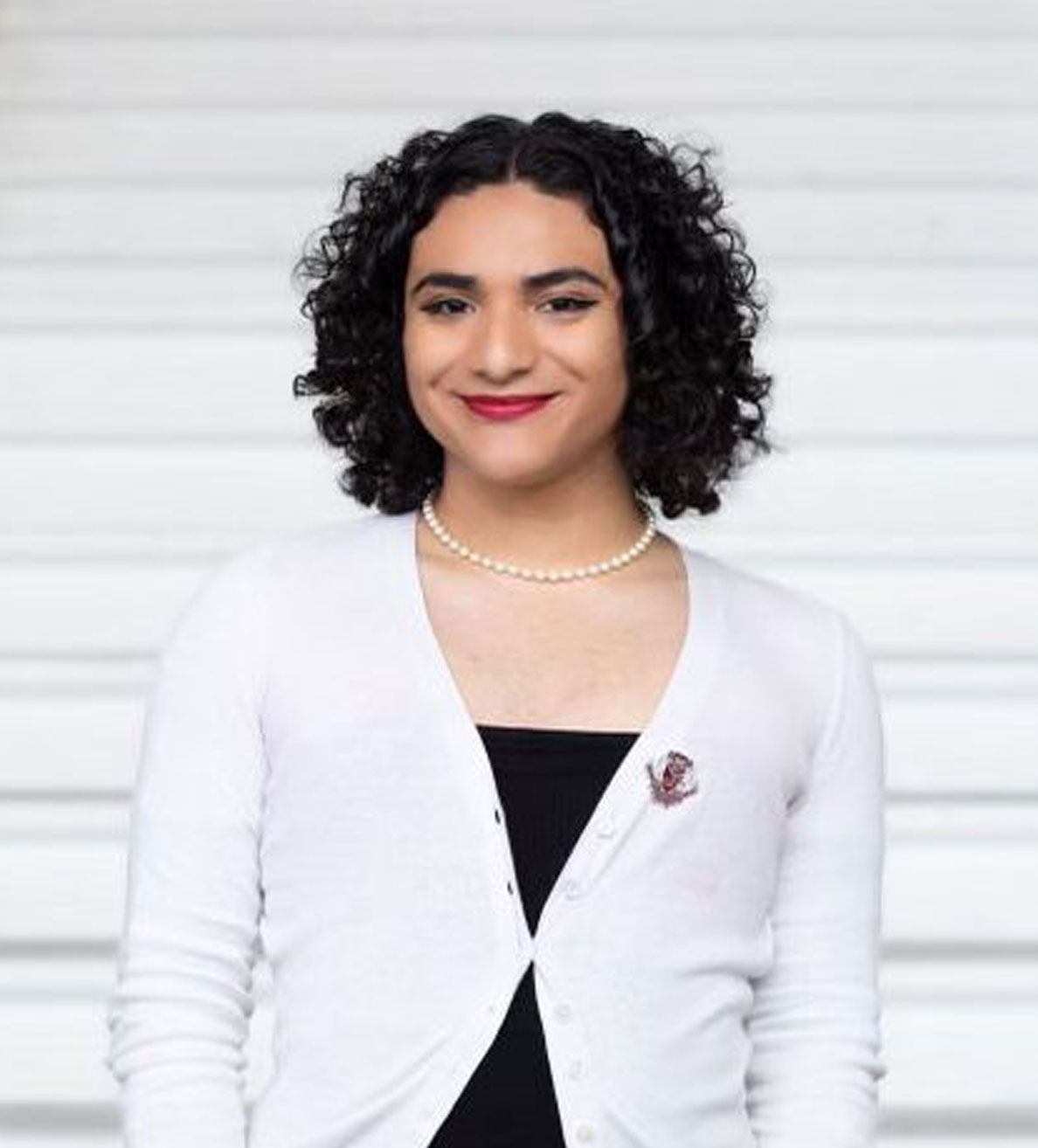

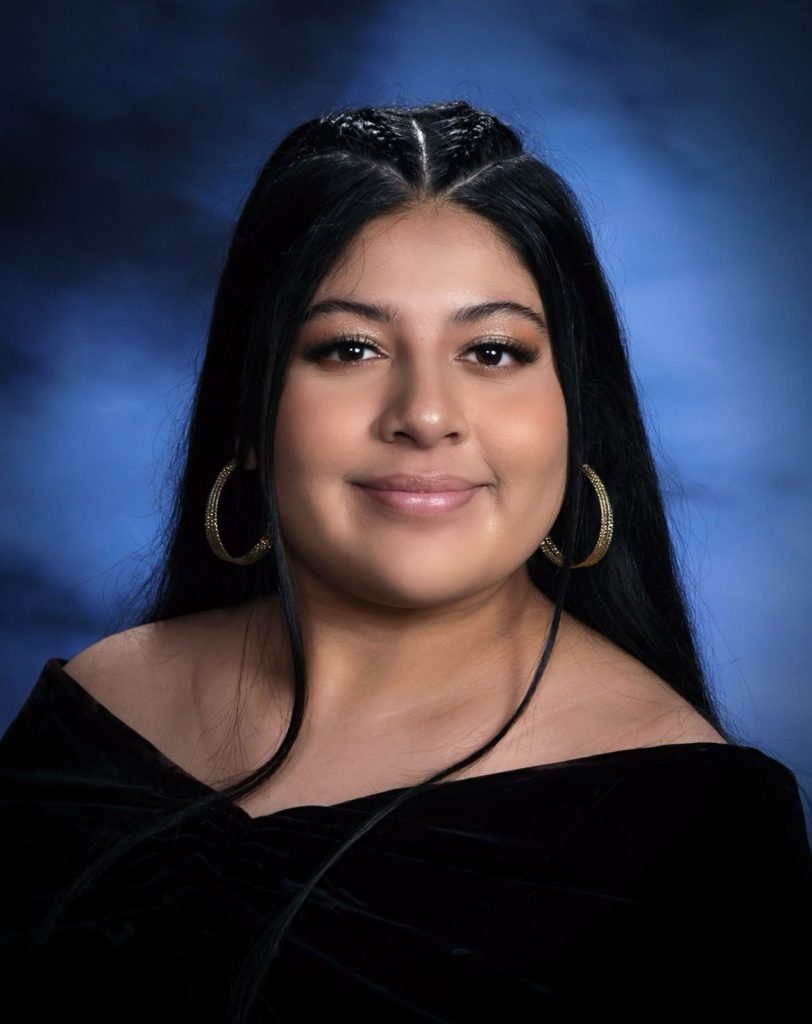
Professor Emeritus Santillan said, “Even in institutions without anti-minority admission policies such as USC, it was uncommon to see a person of color as a student unless, with very few exceptions, he or she was an athlete or generationally wealthy.”
Until the 1960’s, it was relatively uncommon for Latinos to attend higher education, let alone USC, as many did not graduate high school or had to take up trades to make money to support themselves and their families. During the Civil Rights Movement of the 1960s and 1970s an era of activism and transformation for underrepresented groups throughout the country took place. During this time, USC students of Latino origin, mainly Chicanos, organized on campus creating groups such as Movimiento Estudiantil Chicano de Aztlán better known as M.E.Ch.A. and El Centro Chicano. These organizations catered to the needs of Latino students in and around the USC area and helped facilitate the Chicano movement.
To give underrepresented groups a chance to participate in once mostly white workplaces and universities, affirmative action policies were created during the 1970s to reverse the affects of systematic racism. The full effects of the abolishment of affirmative action policies in recent years have not effected the diversity of the current generation of student yet; however, the news of the policy reversal had a mixed response amongst interviews.
Many younger interviewees were unaware of what affirmative action actually was and were shocked to learn of its existence and disbandment feeling the impact would be detrimental to future Latino college enrollment. Some have been skeptical of its effectiveness and feel merit- based acceptance into schools and the workplace are more fair.
As the history of Latinos at USC is taken to the 21st century, the ideologies of the new generations of students evolve and so do those of the universities that house them. El Centro Chicano has been renamed to La Casa and terms such as Hispanic and Chicano have been replaced by Latinx and pronouns to better represent the identities of the new generation of Latinos at USC, who are often from Central and South America.
Today, many Latino students feel La Casa is a safe, wholesome environment to study, eat, and take naps but not necessarily one to become more engaged with the University or gain access to its resources.
A student who chose to remain anonymous said, “I think for the Latinos having La Casa is a good thing, but sometimes I feel like there’s performative things where like putting us in these centers is like putting us to the side like ‘oh here’s a room for you.’” The student added, “The centers we have are beautiful and structured very nicely… but you also see a lot of people in those spaces looks like us… you don’t really see people in the higher ups who are white coming in or checking on us or are communicative with our culture.”
Despite journalism student Gaby Medina liking the fact Latinos have a place to congregate on campus she “cannot relate to others here culturally” since she feels her Paraguayan culture is different in practice than those generally represented here. She instead spends much of her time at USC’s Indigenous and Pacific Islander lounge where she feels more culturally compatible.
“Many Latinos at these prestigious institutions are first-generation college students.” Professor Emeritus Santillan added, “Most don’t know how to navigate the a complex University that their grandparents and parents went to who told them how to do things there as they grew up. These kids don’t have their parents support to guide them through college and are usually left on their own… “
According to USC, 20% of USC’s first-generation fall 2023 admission rate were Hispanic or Latino students.
Diaz, a first-generation Mexican student, said, “I had to navigate a lot of barriers like working to save up to come to college and being away from my family in order to make college work for me. That first year was very hard.”
The $95,225 yearly tuition rate is often too high for many lower income Latinos, but scholarships and admission policies still make it possible.
According to USC’s 2020 Affordability Initiative, “Incoming first-year students from U.S. families with an annual income of $80,000 or less with typical assets will attend USC tuition free.”
Chemical engineering major Leilani Serna from Orange County said, “The only reason I am here is because of my financial aid packet. If I wasn’t on a full ride, I definitely wouldn’t be able to afford to come here.”
Pablo Orozco, Alex Flores, and Gaby Medina share thoughts on Affirmative Action
Like her, it would have been impossible for me to attend USC without free tuition due to my mothers job as an office manager at the USC’s Health Science Campus. Since my family makes more than $80,000 annually, but less than able to comfortably pay for my education without huge life adjustments or scholarships, I needed three years in junior college to raise my GPA to once again to earn my way into USC.
I had a friend called “Gee-Mike” who I played football with in high school and also transferred to USC. He has since graduated and has a successful career as a banker. He had a similar experience to mine while at USC; but, he assures me despite the hardships, it will all worth in the end.
When I saw him by chance walking around campus one of my first days at on campus, I asked him, “Ay Mike, was it a little weird for you when you first got here?”
Without hesitation he said, “Fuck yeah it was weird!”
I have learned many things I found weird to me are very normal to the conventional student body. Maybe asking for directions to a cafeteria wearing a $400 polo shirt and clean white Air Force Ones where people wears the same thing every week, makes me the odd one out, but I am fine with this.
Notable Alumni
Frank H. Cruz - Class of 1966
Co-founder of Telemundo and member of USC's Board of Trustees
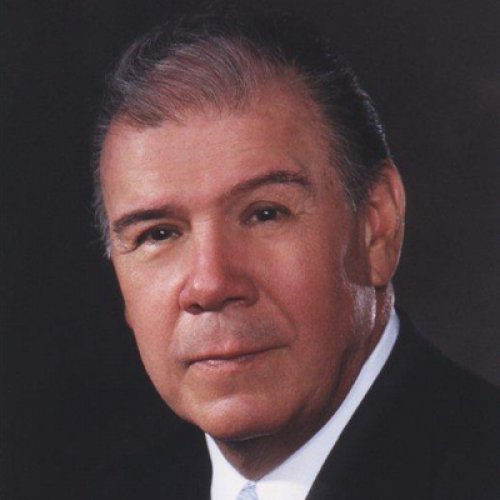
Photo courtesy of USC Annenberg School for Communication and Journalism
Dr. Edward Zapanta - Class of 1973
First Latino member of USC's Board of Trustees
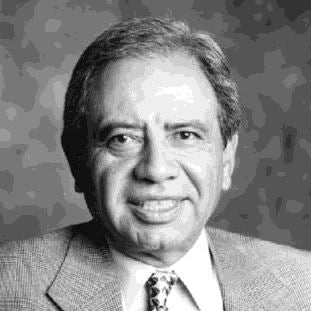 Photo Courtesy of USC Today
Anthony Muñoz - (1976 - 1979)
Hall of Fame Offensive Lineman

Photo Courtesy of USC Athletics
Oscar Munoz - Class of 1982
Former CEO of United Airlines and member of USC's Board of Trustees
 Photo Courtesy of USC Today
America Ferrera - Class of 2013
Actress in the movie Barbie
:quality(70)/cloudfront-us-east-1.images.arcpublishing.com/uscannenberg/F4W2KILAYJDJXHZODP3UNOAJWY.jpg)
Photo Courtesy of Annenberg media/Chris Pizzello of AP