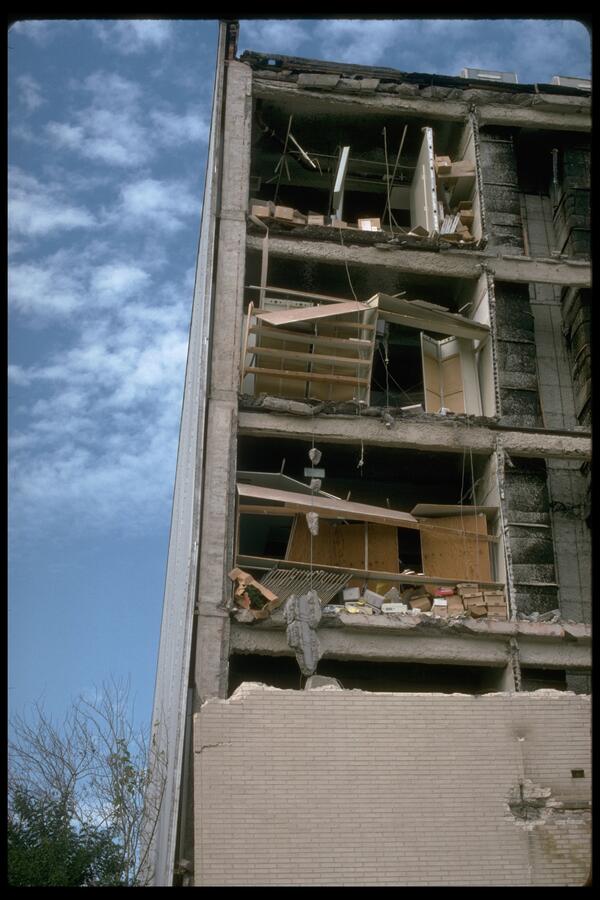
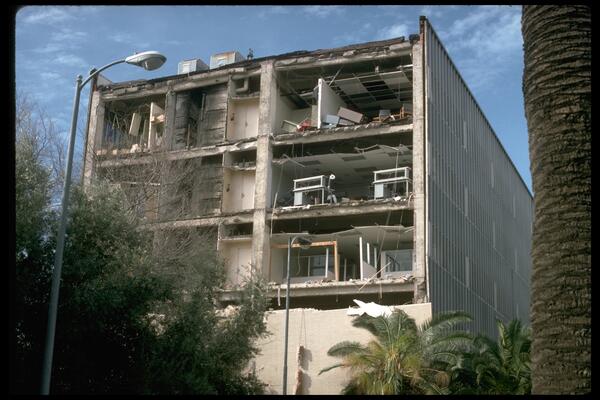
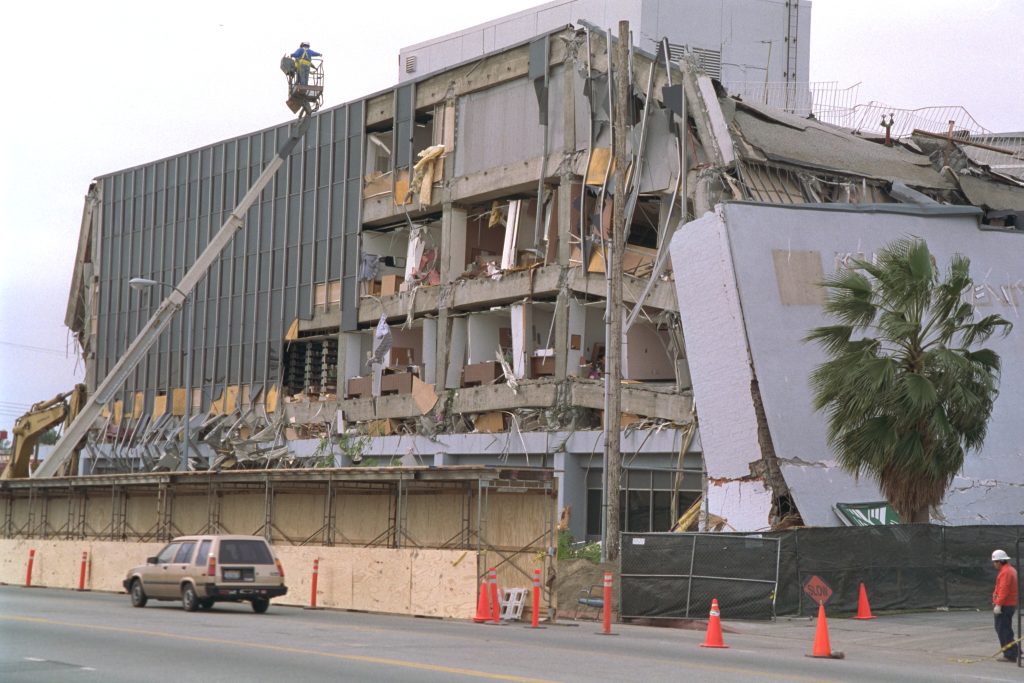
On the 30th anniversary of the Northridge Earthquake, a symposium in Pasadena at the California Institute of Technology brought together policymakers, seismologists, and construction engineers to reflect on the seismic event and discuss strategies for mitigating future risks.
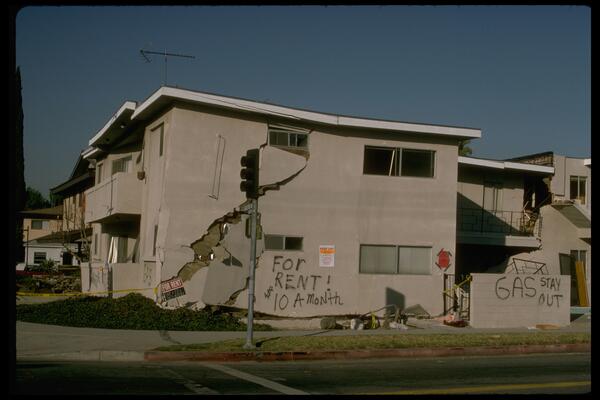
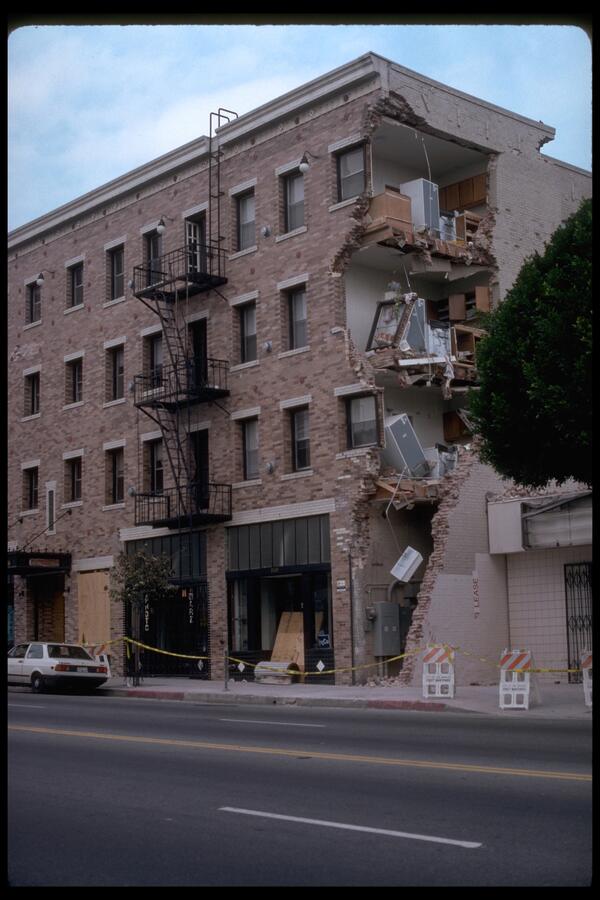
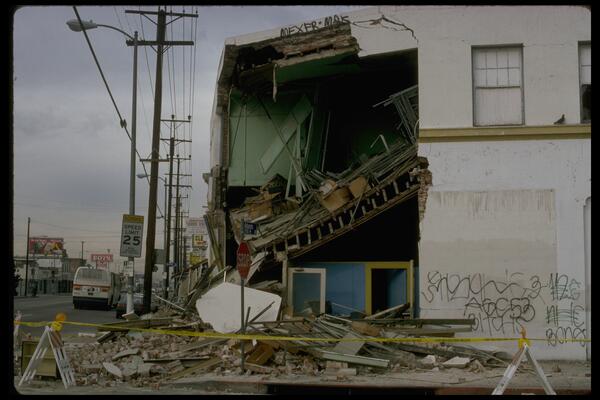
Dr. Lucy Jones, a renowned expert in earthquake science, underscored the role of individuals in safeguarding themselves against potential hazards. She emphasized the significance of structural integrity in buildings, particularly highlighting the vulnerability of soft-story structures observed during the Northridge earthquake.
“It’s up to you,” Jones said. “Is the bookcase gonna fall on you? Are you gonna lose your grandmother’s china because you put it out on display in a way that isn’t hooked down?”
She emphasized the significance of structural integrity in buildings, particularly highlighting the vulnerability of soft-story structures observed during the Northridge earthquake.
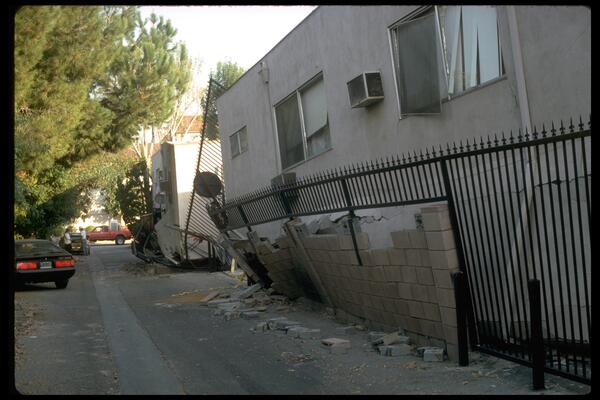
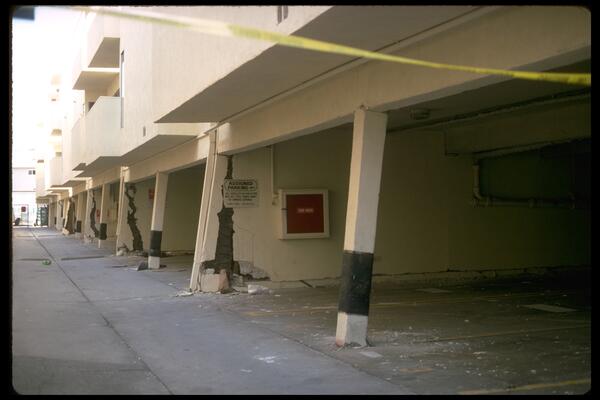
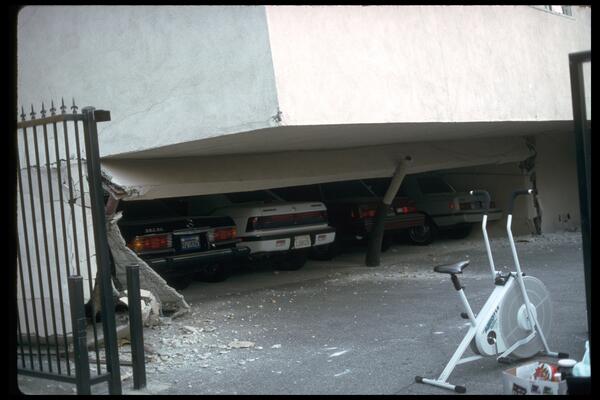
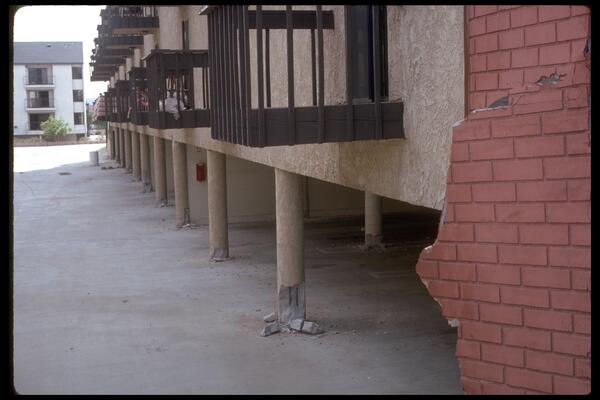
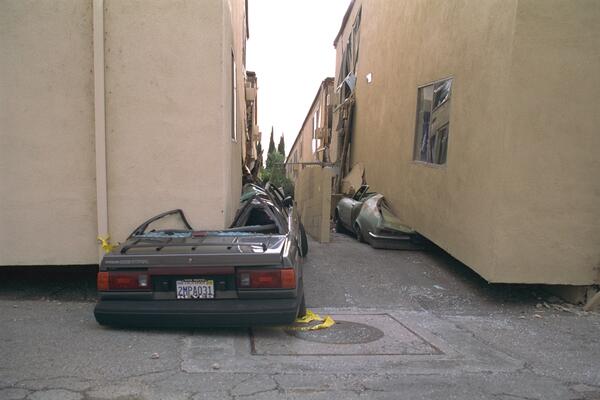
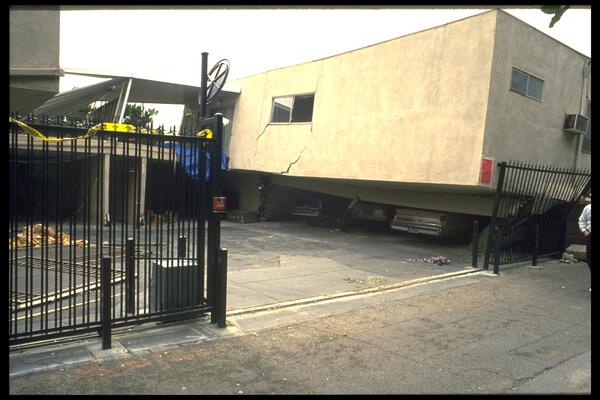
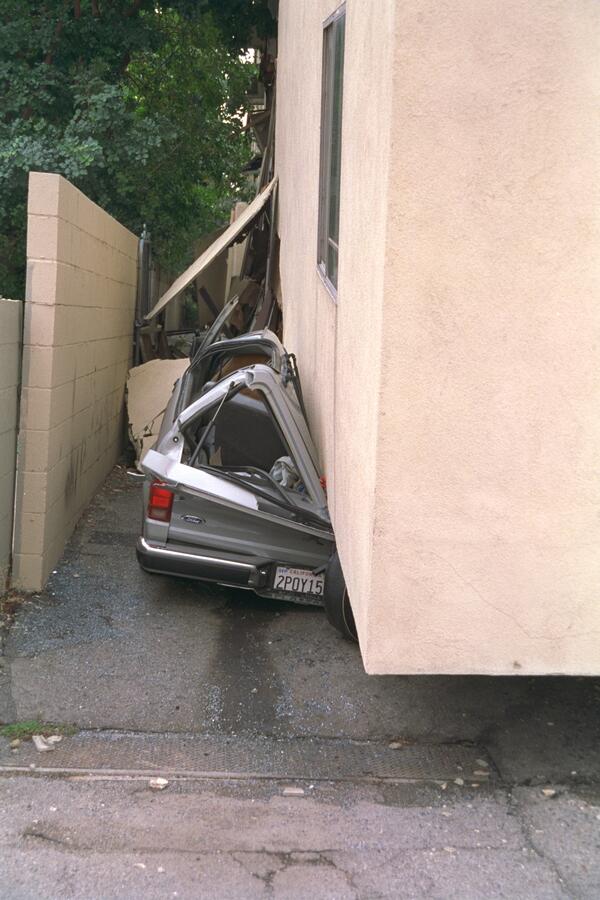
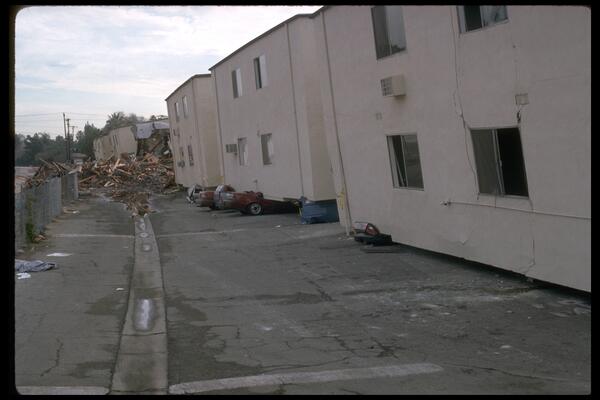
In an interview with Craig Chamberlain, president of the Structural Engineers Association of Southern California (SEAOSC), he emphasized this vulnerability and explained its importance through the examination of the Northridge Meadows Apartment Complex that sustained significant damage as a result of the Northridge earthquake.
“We saw the second story of that apartment complex crash and collapse on the ground floor structure. It was characterized by a type of building that has these tuck under parking or cars that park underneath one end of the building without having a wall system underneath that area. So when the earthquake happened…it collapsed, the columns that were supporting that and the structure fell down on the first floor,” Chamberlain said.
He continued by saying that most structures with tuck-under parking are now retrofitted thanks to an ordinance by the City of Los Angeles to strengthen these soft-story buildings.
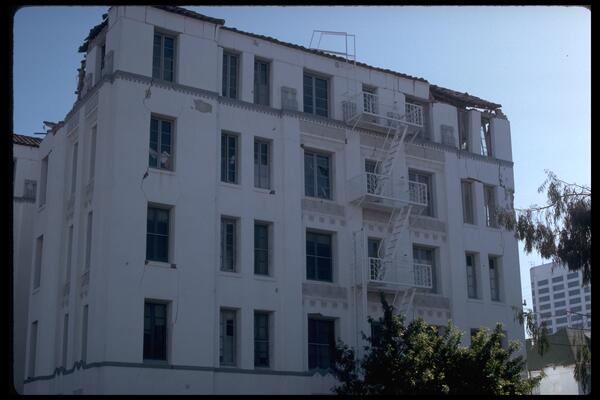
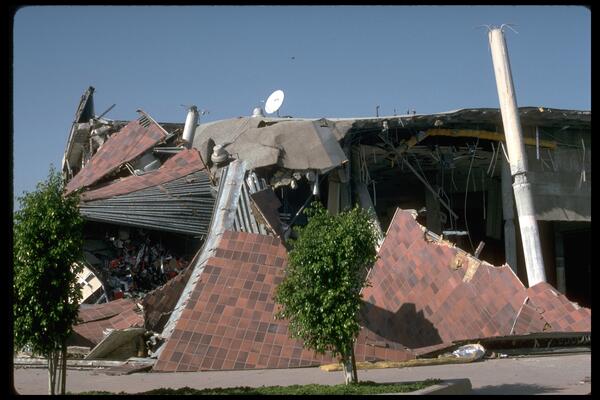
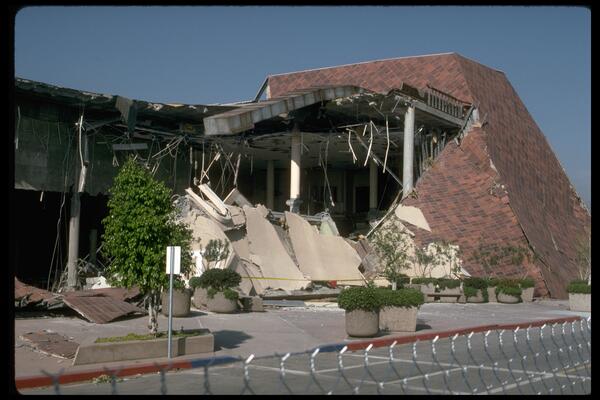
Another structural design flaw that was widespread throughout the Los Angeles area was the design of steel moment frames in buildings. According to the National Earthquake Hazards Reduction Program, damage to welded steel moment frame connections in the Los Angeles area spawned concern about the reliability of established design and construction procedures. A number of buildings experienced fractures in their structures as a result of a flawed design in the columns.
“A moment frame building is a building where the columns (the vertical members) are attached to the horizontal members (the beams) with a very rigid connection,” Chamberlain said. “We thought that this design was very ductile, meaning it could expand and contract like a rubber band but still have its geometry together…it was actually quite brittle. Think of a piece of uncooked pasta in that if you bend it enough, it’s gonna break at some point in time.”
Chamberlain said that the enhancement in the design of steel moment frame structures was a direct result of learning how the previous designs failed after the Northridge earthquake.
Structural engineers, drawing lessons from past failures, acknowledge the strides made in building design but emphasize the ongoing need for improvement. While advancements have enabled buildings to withstand seismic forces, the focus now shifts towards ensuring the functionality and safety of utility systems post-earthquake. This evolution in design aims to enable occupants to remain in buildings safely, with critical systems like air conditioning, electrical, and plumbing remaining operational.