How Soccer Restores Communities and Reduces Isolation
By Joel Robles
Simple Life Stages
50s
Getting active again such as running, working out, or walking
60s
Building social connections such as social groups, friends, or going out
70s
Maintaining balance & mobility
80s
Staying independent
Easy Read
Social isolation among older adults is a growing public health concern in the United States. According to the National Academies of Sciences, Engineering, and Medicine, approximately one-quarter (24%) of Americans aged 65 and older are considered socially isolated.
This means millions of seniors are going days and sometimes weeks without meaningful interaction. For many, isolation is not loud or dramatic; it is quiet, gradual, and deeply personal. It develops over time and often unnoticed, as daily routines disappear and social surroundings fade.
This lack of connection is connected to health risks, including a 50% higher risk of developing dementia, a 29% increased risk of coronary heart disease, and a 32% increased risk of stroke. As people age, their circles start to shrink, and many begin to feel invisible in their communities. Something as simple as losing a driving license, the passing of friends, or retirement can reduce the amount of human contact someone receives.
For older adults who once lived socially active lives, this sudden change can feel disorienting and isolating. Making each day worse and worse.
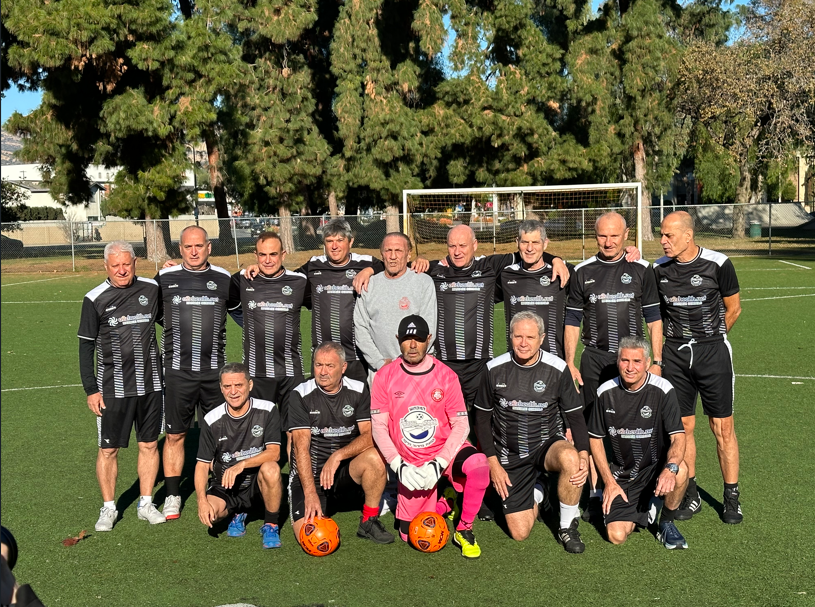
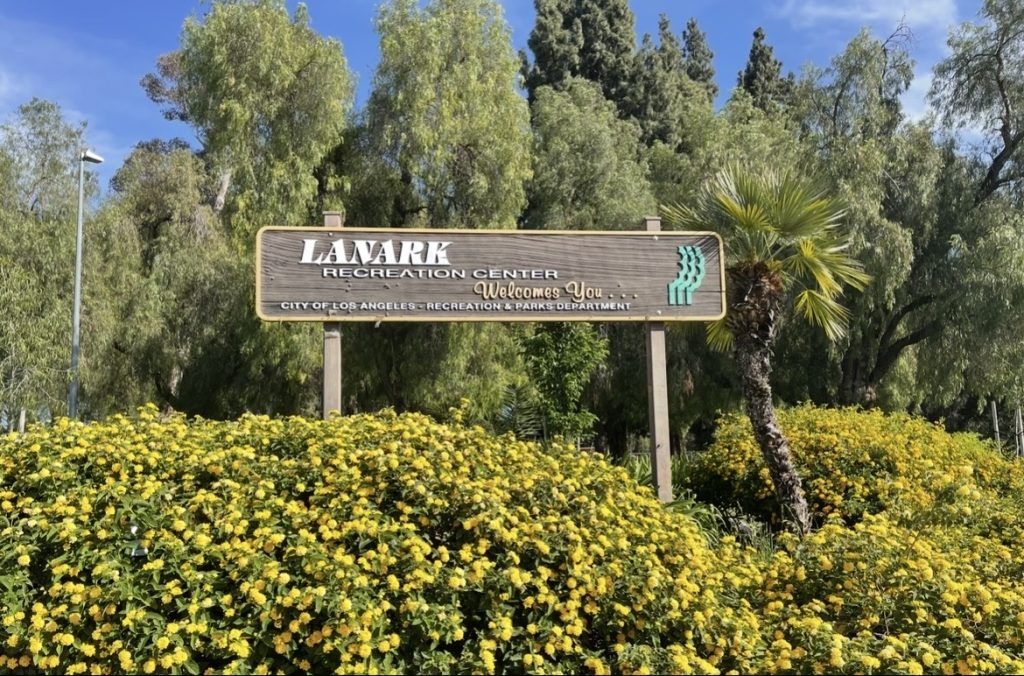
At Lanark Park in Los Angeles County, a walking soccer league for men over 65 is helping to address this exact problem. Known as walking soccer, the modified version of soccer focuses on teamwork and movement rather than speed or technique. These games are played on half fields and goal posts at the height of your chest. On Wednesdays and Fridays, the park fills with conversation, laughter, and a social hub rather than just a playing field.
For players it offers a form of exercise and a place to reconnect with others in their age range. After games these elders group together and stay at the park for hours chatting. The league highlights how sports can rebuild community and improve both mental and physical health in older adults.
The conversations often go beyond the game and touch on family, past careers, injuries, and memories of playing sports earlier in life.
According to PRB, the U.S population is older today than it has ever been. Between 1980 and 2022, the median age of the population increased from 30.0 to 38.9, but one-third (17) of states in the country had a median age above 40 in 2022, with Maine (44.8) and New Hampshire (43.3) at the top of the list.
This shift highlights the growing need for programs that focus not only physical health but also emotional well-being and social connection among aging adults.
Also from the Administration of Community Living: The elderly population is growing rapidly, with nearly 58 million Americans aged 65+ in 2022, projected to reach 88.8 million by 2060, becoming a larger share of the total population (22% by 2040). This demographic shift brings increased diversity, with growing minority representation, and significant demand for health services, while living arrangements vary, with many still relying on family for care and a significant number living alone or with partners.
As these numbers grow, communities are being challenged to rethink how they support aging populations beyond normal healthcare models.
Taken by Joel Robles
Lanark Park Director Jeremy Aldridge said the league has been a great addition.
“It took a minute to figure out how we were going to run it, but it’s been a big success… Some of these guys are 78 or 80 years old, hitting the ball hard and controlling it beautifully,” Aldridge said. “They have really strong spirits and personalities.”
Those personalities are on full display during games, as players encourage one another, debate calls, and celebrate goals with excitement.
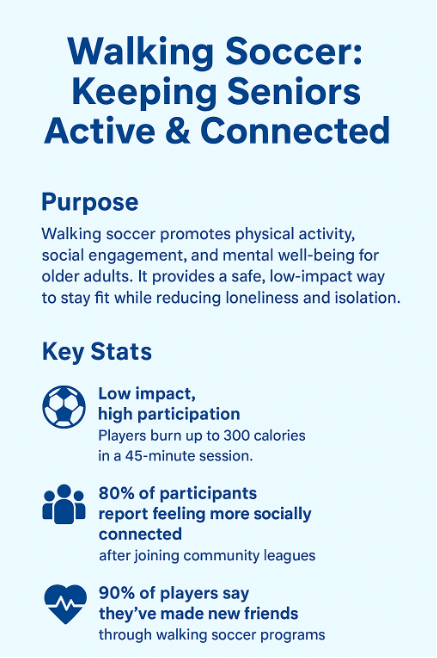
The Walking Soccer Association mission is focused on passing rather than speed/running; flexible with its formats and accessible to the community and prospective players. The program will highlight the health, well-being and social benefits of regular football and exercise activities for older people.
Its structure allows seniors to remain competitive while prioritizing safety and inclusion.
According to the Centers for Disease Control and Prevention (CDC) regular physical activity for adults over 60 provides benefits such as better sleep quality, lower anxiety, and reduced blood pressure. Long-term it can help prevent dementia, heart disease, and depression.
Beyond these benefits, physical activity also provides structure, routine, and something to look forward to each week. For many elderly folks, having a hobby like walking soccer is more than recreation. It’s a way to stay connected and maintain purpose.
It reminds participants that they still belong to a team and a community that values their presence.
Lanark Park Sports Director Justin Edwards said walking soccer strengthens both bodies and relationships.
“Being outdoors changes their mood… now you’re socializing, you’re active, you’re happy,” Edwards said. “Being out with the boys changes your mood.”
That shift is visible as soon as players step onto the field, greeting one another with smiles and handshakes.
Players feel the same way. Longtime participant Dov Harari said the social aspect is what keeps him and many others coming back.
“First of all, it’s not only the playing — it’s mainly the socializing. The fun, the team together… we’re laughing, we’re enjoying,” Harari said. “Walking soccer gives us a sense of unity… camaraderie.”
For many players, the friendships formed on the field are just as meaningful as the game itself.
Taken by Joel Robles
According to a Washington Post report, 43% of Americans aged 60 and older play a sport, showing that participation among seniors is increasing nationwide. Programs like walking soccer at Lanark Park demonstrate how community recreation can offer both social and physical benefits. These opportunities create a stronger sense of belonging for those who feel isolated.
They also challenge stereotypes about aging by showing seniors as active, competitive, and socially engaged.
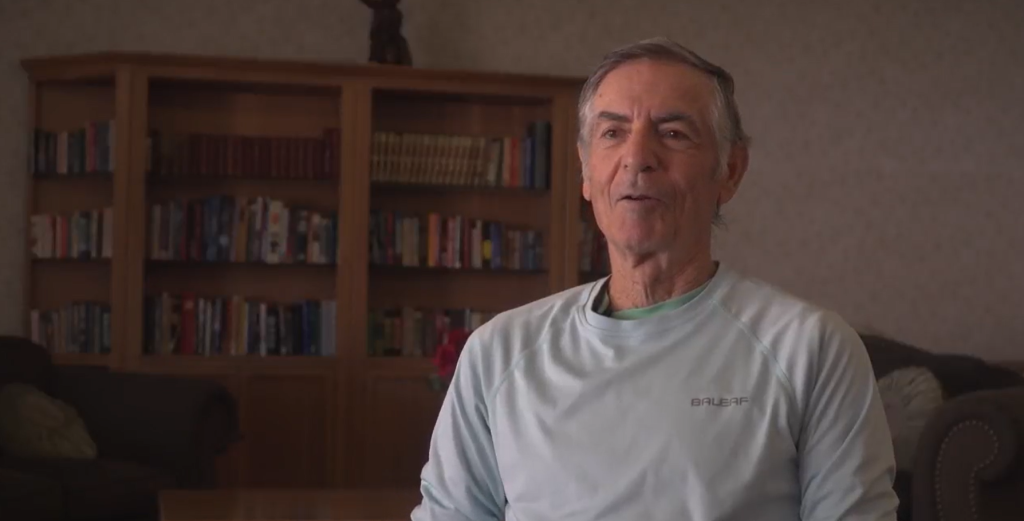
Spanish participant Hector Sanchez said this is the best form of camaraderie.
“The best therapy is doing what we love. Seniors shouldn’t lock themselves at home, we need friends, groups, and places like this. Here there’s no discrimination; we take care of each other like family. At our age, all we want is to give love and bring more hearts together,” Sanchez said.
His words reflect a shared sentiment among players that connection is just as important as physical health.
Isolation is also connected with the issue of long-term care. According to the Health in Aging Foundation, about one-third of older adults will live in a nursing home at some point for rehabilitation or short-term care.
Maintaining social engagement earlier in life may help delay or reduce the need for more intensive care settings.
Laura Mosqueda, Professor of Family Medicine and Geriatrics at Keck School of Medicine of USC said a way to stay healthy is staying in shape.
“Activity is the key to healthy aging. Staying active keeps us healthier and more engaged, and it’s why physiologic age doesn’t always match chronologic age. As we age, loneliness becomes a real risk.”
Her perspective emphasizes the idea that aging well is about maintaining engagement and not just avoiding illness.
Organizations that focus on senior wellness emphasize the same point that social interaction is crucial to healthy aging. According to Friendship Centers, engaging in regular social activities improves emotional well-being, strengthens relationships, and combats loneliness.
An essay from KevinMD states elders can be forgotten but can be combatted.
“Many older adults feel “overlooked” or “invisible,” but opportunities for community involvement can counteract that invisibility.”
Programs like walking soccer provide those opportunities in an accessible and welcoming way.
Experts emphasize that programs like walking soccer offer more than recreation. Caroline Cicero, an Instructional Associate Professor at the USC Leonard Davis School of Gerontology and a specialist in healthy aging, explained that the benefits extend far beyond the field.
“Community based sports such as Walking Soccer are very important to support healthy aging,” Dr. Cicero said. “A sport like this is important for maintaining physical fitness. However, the social aspects of a team sport are very important too.”
Her insight highlights the balance between physical safety and emotional connection.
According to the CDC, “Falls are the leading cause of injury for adults ages 65 years and older.1 In the United States, over 14 million, or one in four, adults ages 65 and older (older adults), report falling each year.2 While not all falls result in an injury, about 37% of those who fall reported an injury that required medical treatment.”
Cicero said that soccer specifically can still be dangerous.
“Soccer in general however, could present some fall risk, even if walking, where people trip over the ball or lose balance. This could be a problem as falls are a serious problem among older adults,” Cicero said.
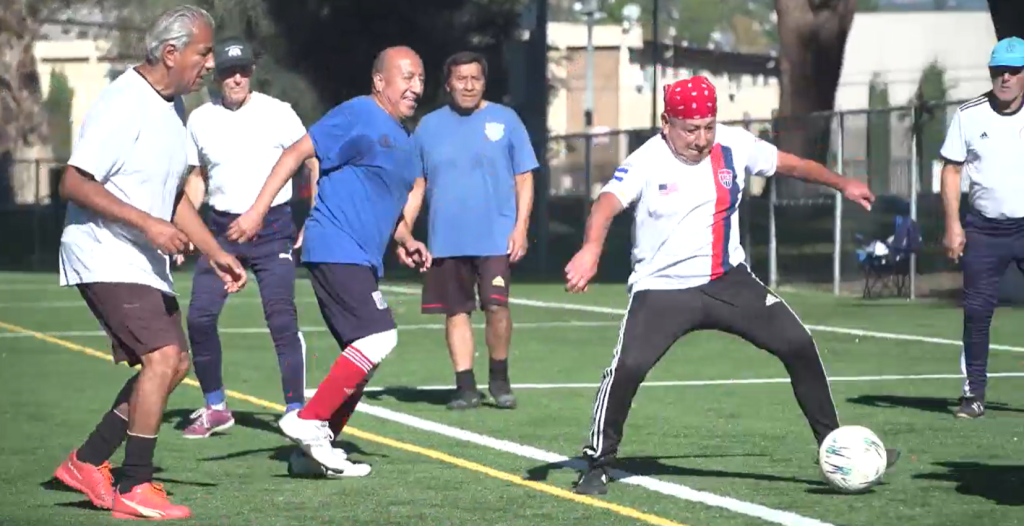
Taken by Joel Robles
Harari who played soccer his whole life and was a P.E.teacher got injured while playing soccer.
“I tore my Achilles without anyone touching me. Wrong shoes, no socks. Terrible. After six months I started sports again. After a year, I came back to play,” Harari said.
Though he mentioned how walking soccer has changed his life.
“Walking soccer helped me improve my conditioning…it’s the pleasure of playing with guys who aren’t so young, but we laugh, we share stories and that’s what’s so charming.”
However programs like walking soccer at Lanark Park show that sports can be a powerful solution to isolation. By promoting movement, teamwork, and friendship, these leagues are redefining what it means to grow older.
Rather than retreating from society, participants are finding new ways to stay visible, connected, and engaged in life.
Walking Soccer Doc
- Speaks on activity, health, and community
- Deep insight with players and experts
- A relatable story as we age
“The community is invested, everyone looks out for everyone… They’re 80 years old and playing like they’re 20.”
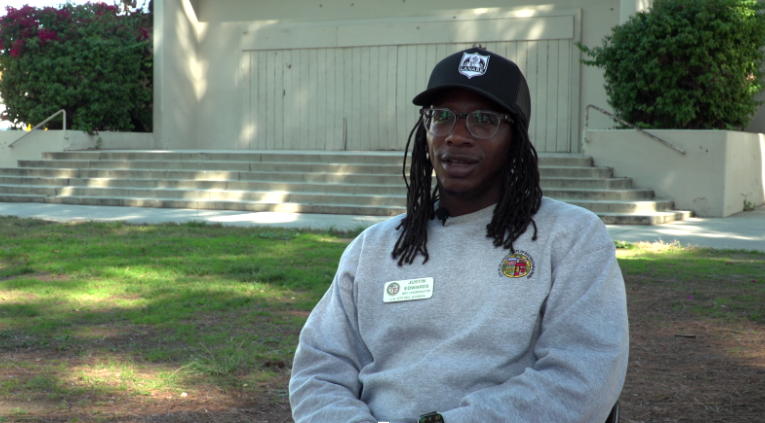
Taken by Joel Robles
Justin Edwards
Lanark Park Coordinator
\
Walking Soccer Association
More info down below