By Marco Haynes
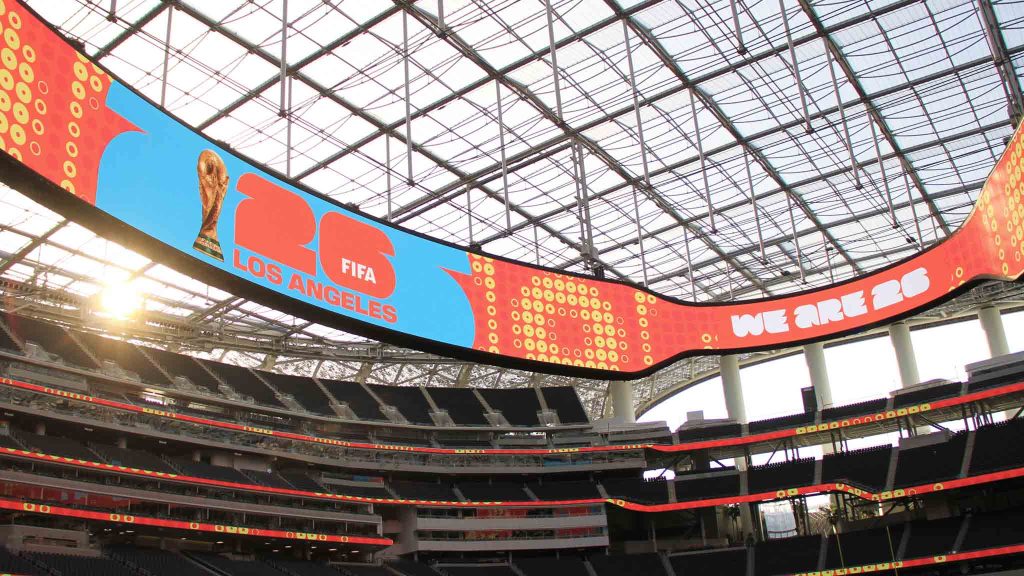
In less than a year, the world’s biggest sporting event will return to North America for the first time in more than three decades. The tournament promises to unite fans worldwide in a shared love for the game.
But for many immigrants in Los Angeles, the excitement is mixed with fear.
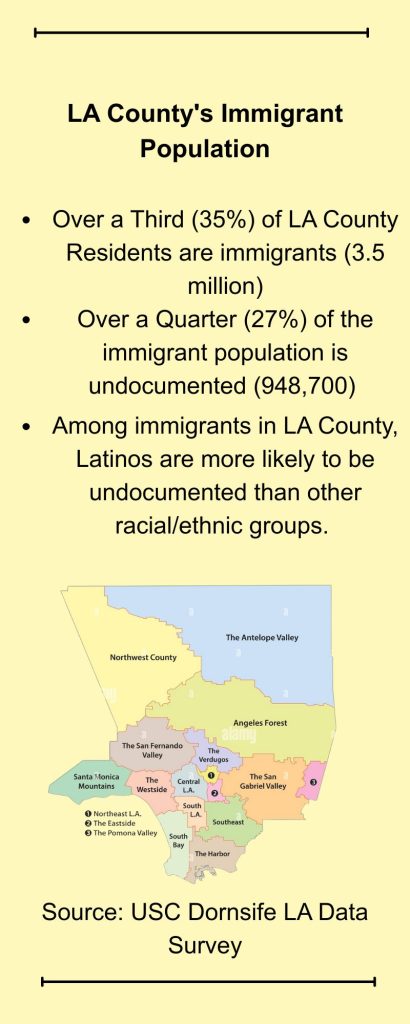
LA, one of the most diverse cities in the United States, is set to host eight World Cup matches that will showcase its global identity. The tournament will spotlight the international identity of a city where more than one-third of residents are immigrants, according to a USC Dornsife study.
And more than 2 million people in LA County are either undocumented or living with undocumented family members, forming one of the largest immigrant populations in the nation.
For decades, soccer has been a lifeline for immigrants across Southern California, yet as the U.S. gears up to welcome millions of fans, ongoing immigration crackdowns and fear spread by federal agents have threatened to keep some of those communities at home.
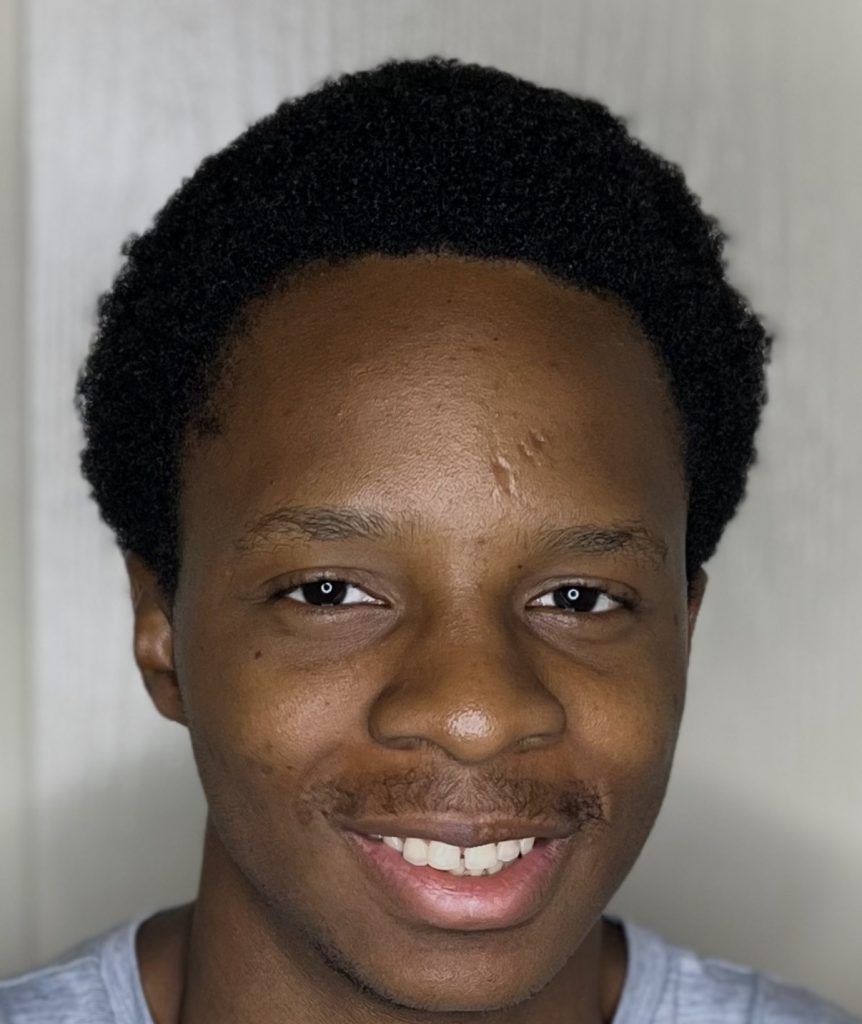
Ugochuku Enyi Ebere, a 22-year-old international student from Nigeria who recently graduated, says soccer has always been central to his identity.
“Being from Nigeria, soccer is more or less the most popular nationwide sport, as everyone, everywhere plays it,” Ebere said. “It was a key tool for social and physical development, leading to the most substantial of friendships and connections.”
- Photo Courtesy of Ebere
However, FIFA President Gianni Infantino has said, “fans will be welcomed,” and the immigration process will be smooth, but Ebere is concerned that this same spirit of community could be affected by fear.
“People can be racially profiled by ICE, which could cause a number of incidents on its own,” he said. “Unless things change, I think the potential bad outweighs the good.”
That sense of unease is echoed in the Latino community, where soccer has long been both a passion and a cultural anchor.
Carlos Brañez, a Peruvian American engineer living in Orange County, describes the sport as a form of therapy for his family.
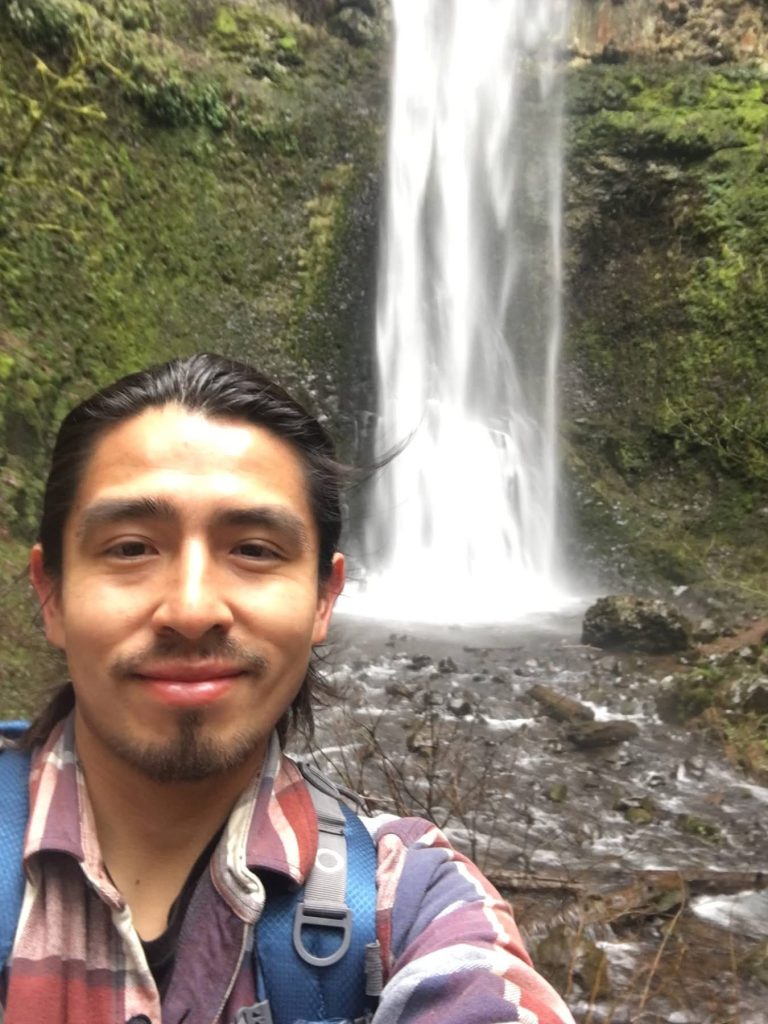
“Fútbol has been therapeutic mentally and physically for my family, a break from life’s hardships,” Brañez said. “It’s a social gathering for family members to watch games and a medium to connect with one another.”
- Photo Courtesy of Brañez
However, Brañez says, the joy of the game feels distant under the current circumstances.
“Not as thrilling due to the volatile circumstances our community is facing. ICE are American mercenaries cashing in at the expense of breaking working families.”
He fears that heavy immigration enforcement could push many Latino fans away from public gatherings during the World Cup.
“Some friends I know are either at home with no pay or working in fear of misfortune,” Brañez said. “This World Cup may be an absent one for Latinos if the situation doesn’t improve.”
His fear is shared by others who say immigration enforcement has changed their usual routines, from avoiding certain neighborhoods or skipping large public gatherings.
Some, like Ruben Mendoza, a 23-year-old kinesiology student from Lynwood, said the tension is unavoidable even if it hasn’t directly affected his family.
“You want to go and support your team,” Mendoza said. “But for some people, what’s a game if you’re going but you have to live in fear? You have to take a passport with you, just in case.”
- Photo Courtesy of Mendoza

He described friends and neighbors who now avoid events in areas with high Latino populations, such as South LA, Long Beach, and Downey, because of inconsistent but highly publicized enforcement sweeps.
“It made me realize it’s real,” Mendoza said. “Just because it doesn’t affect me doesn’t mean it doesn’t affect other people.”
As LA prepares to celebrate the beautiful game, it faces a paradox between a city built by immigrants, ready to host the world, and many of its people feel unsafe in their own neighborhoods.
In 2021, the Los Angeles World Cup Host Committee released a Human Rights Strategy outlining its commitment to inclusion and community safety in preparation for the tournament.
“The Host Committee looks forward to collaboration across the Los Angeles region to advance human rights as a legacy of the 2026 FIFA World Cup,” according to the report.
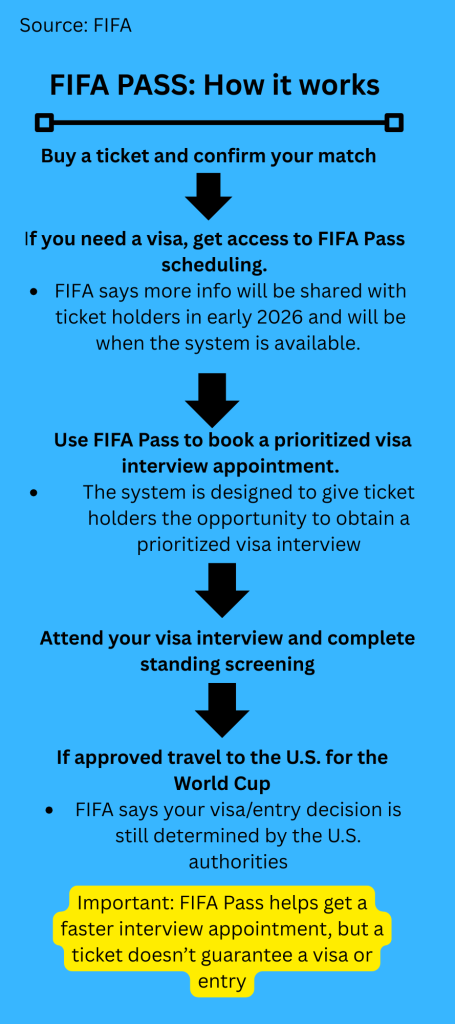
Since then, the United States has also announced new initiatives to make visas faster and more accessible for foreign fans, including the FIFA Pass program, a visa-support service that schedules a prioritised visa appointment when purchasing a World Cup ticket.
The FIFA Pass gives traveling fans to the World Cup an opportunity to apply for a U.S. visa tied to the tournament. As of now, 19 countries are affected by President Donald Trump’s travel ban, including Iran and Haiti, both of which are qualified for the World Cup. An additional 36 countries could be added, according to the American Immigration Council.
But for many immigrants already living in LA, none of these programs address the daily fear facing the undocumented families or those who are vulnerable.
Salvador Gutierrez, a Mexican American student from Hawthorne, said he bought a World Cup ticket but not for a game in LA or in the U.S.
Instead, he chose Mexico City.
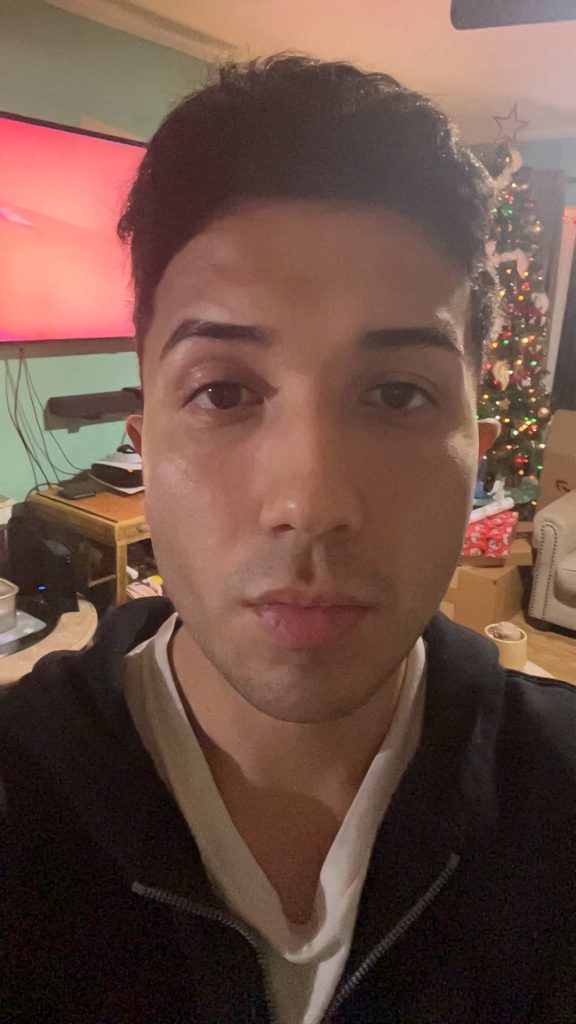
“I wanted to watch my country play no matter who they’re against,” Gutierrez said. “And I also have family over there I’ve never met.”
- Photo Courtesy of Gutierrez
For him, immigration fears weren’t the primary factor, but for others in his circle, they were.
“My dad gets a little anxious when he goes to a game here, even in Carson,” he said of his father attending LA Galaxy matches. “I know how it affects people.”
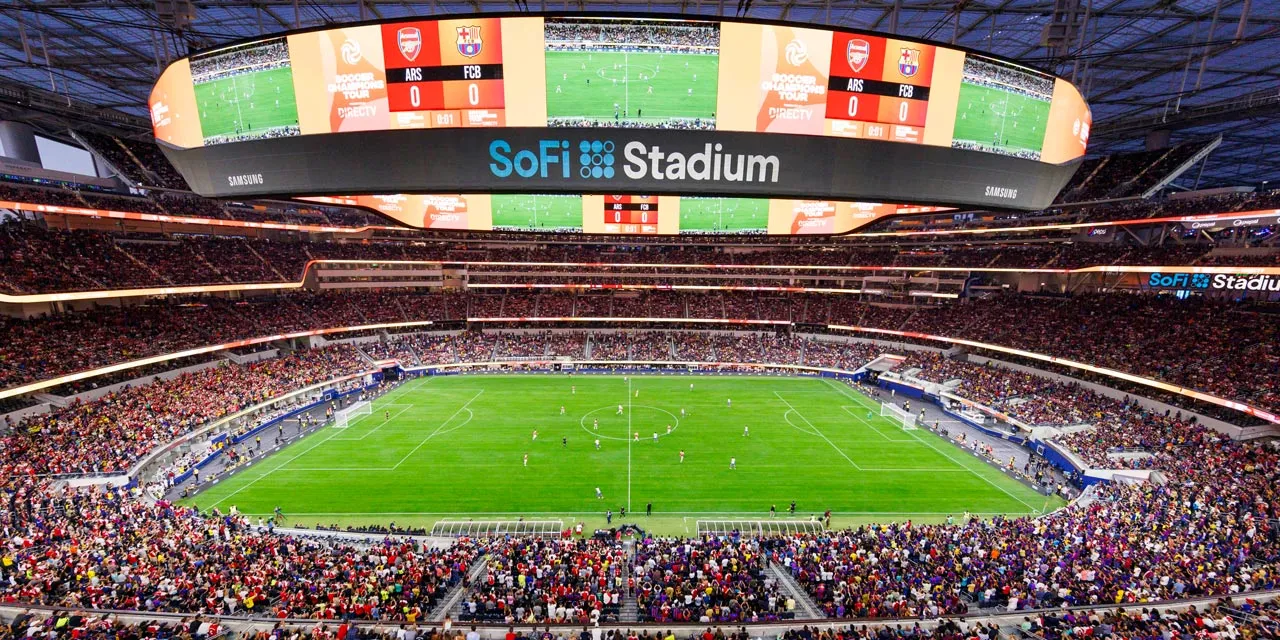
LA is home to some of the most passionate soccer fan bases in the country. MLS clubs like LAFC and the LA Galaxy draw crowds that reflect the city’s immigrant roots with chants, flags and stadium rituals inspired by the sports culture in Mexico, Central America, and Africa and Europe.
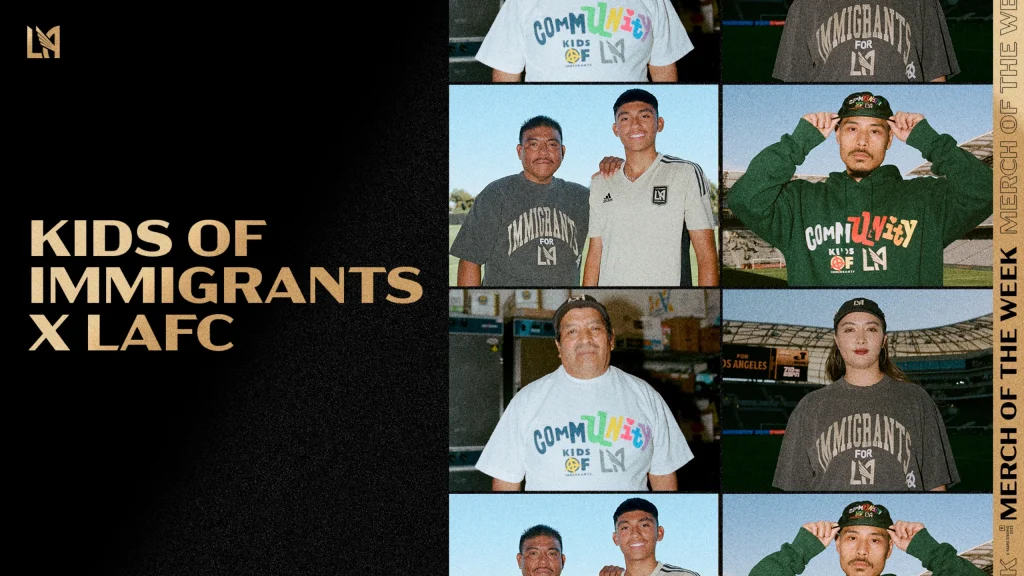
After the ICE raids, LAFC posted a message on Instagram supporting its community and fans, saying, “LAFC believes that the true strength of our community comes from the people and cultures that make up the tapestry of this beautiful and diverse city. Today, when so many in our city are feeling fear and uncertainty, LAFC stands shoulder to shoulder with all members of our community.”
On June 8, fans held signs in protest against the immigration operations as LAFC played Sporting Kansas City at BMO Stadium. One sign read, “I can’t chant and pretend that everything is OK. It is not OK.”
Across the city, the LA Galaxy did not issue a public statement in support of fans or the broader community regarding the immigration operations. Still, supporters boycotted the El Tráfico derby in response to the ICE raids.
“Immigrant voices are definitely represented,” Ebere said. “Espeically with LAFC and the Galaxy. A lot of players have roots connected to immigrants, and fans feel that.”
“Immigrant voices are definitely represented,” Ebere said. “Especially with LAFC and the Galaxy. A lot of players have roots connected to immigrants, and fans feel that.”
He compared the loyalty and cultural pride in LA’s soccer scene to the Los Angeles Dodgers and Los Angeles Lakers.
“Sports do have a voice,” Brañez said. “But it’s not always enough to protect the people in the stands.”
For many, the biggest contradiction of the upcoming World Cup is how a sport that symbolizes unity can connect with policies that make fans feel unwelcome in their own city.
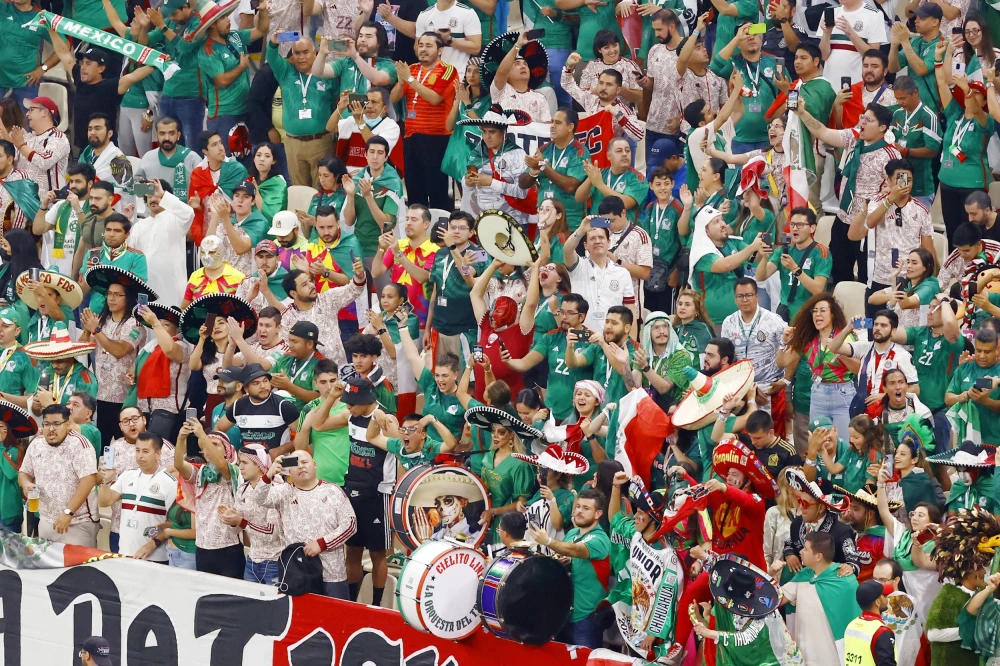
Mendoza described it as “two sides of the same coin.”
“Some cameras can catch the joy that happens in the World Cup,” he said. “But there might be other cameras that capture the bad side of it.”
Gutierrez said he hopes the fear is smaller than people expect, but admits it’s real.
“It might not affect attendance too much,” he said. “But I’m sure it will make people overthink it.”
With millions expected to travel through airports and public transportation to stadiums, immigration officials are likely to increase their presence.
The fear is not only about deportation, but mistaken identity, which Brañez says affects his father.
“He’s a citizen, but never really bothered to learn English,” he said. “He could be confused as an immigrant. He could be misprofiled.”
Ebere added that concern, noting that the issue is not limited to Latino communities.
“Sometimes ICE acts based on who doesn’t speak English,” he said.
Over the summer, the 2025 Club World Cup was hosted in the U.S., during which ICE agents were present at venues across the country, causing fear among fans attending the matches.
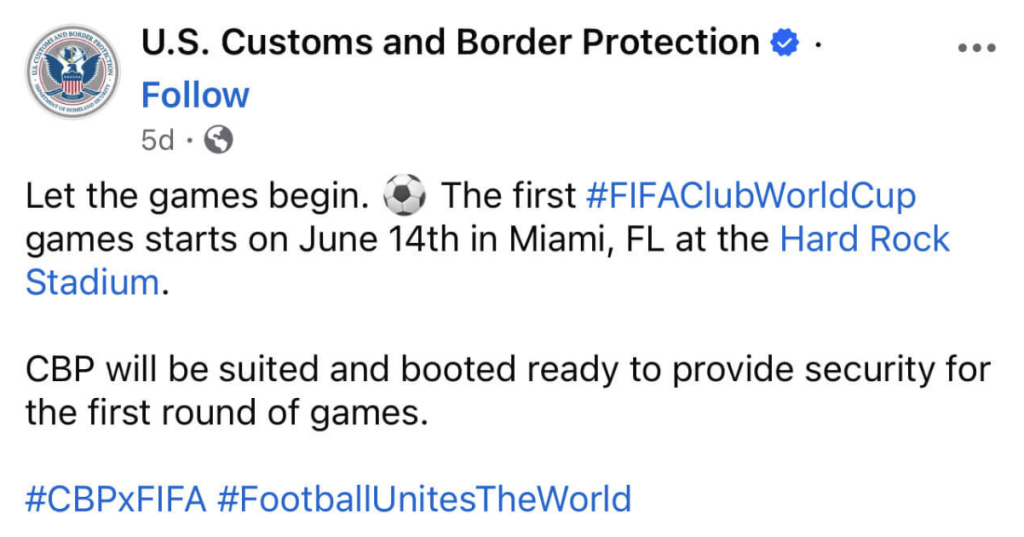
No fans were detained, as ICE was there for security reasons and not conducting enforcement, according to FIFA.
FIFA did not respond to whether ICE agents will be involved during the 2026 World Cup as an extra security measure.
“I imagine somebody who might go to a Mexico game, or who might go to an El Salvador game might feel a bit different, because of how they feel going in, and especially the words that have been said around the stadiums, you know, might be a little bit nerve-racking for them,” Mendoza said.
Despite their fears, soccer has a deep emotional value that connects, comforts, and empowers people.
“You could focus on a ball, and all the problems in your personal life or political or whatever it is sort of go away for a bit, and you could just focus on that,” Mendoza said. “And I think that’s the good part of having a community where you could focus on that without having the fear of anything else that happens in your life.”
Gutierrez also said the sport helped shape him from childhood into adulthood.

“I feel like it’s kind of made me more into the person I am today. It’s a big part of my culture, and I’ve met a lot of the people I know who came from playing soccer.” Gutierrez said.
And Brañez said soccer remains his family’s anchor, even as fear grows.
“It has always been our therapy sport. My father’s therapy sport. He doesn’t know much English, but he loves soccer, so that’s how we connect and bind with him,” Brañez said. “And that’s how, it’s connected our family together.”
For soccer fans such as Ebere, Brañez, Gutierrez and Mendoza, the sport remains a symbol of unity and pride, but one that now carries a bittersweet undertone. The communities that built much of its soccer culture may be watching from behind their television screens rather than from stadium seats.
As LA prepares for its global spotlight, its immigrant communities, who have filled the city’s soccer fields and stands for generations, may be watching from the shadows. The 2026 World Cup presents an opportunity to celebrate unity through sport, but for many, it will also test whether that unity truly encompasses them.