By: Victor Kevorkian
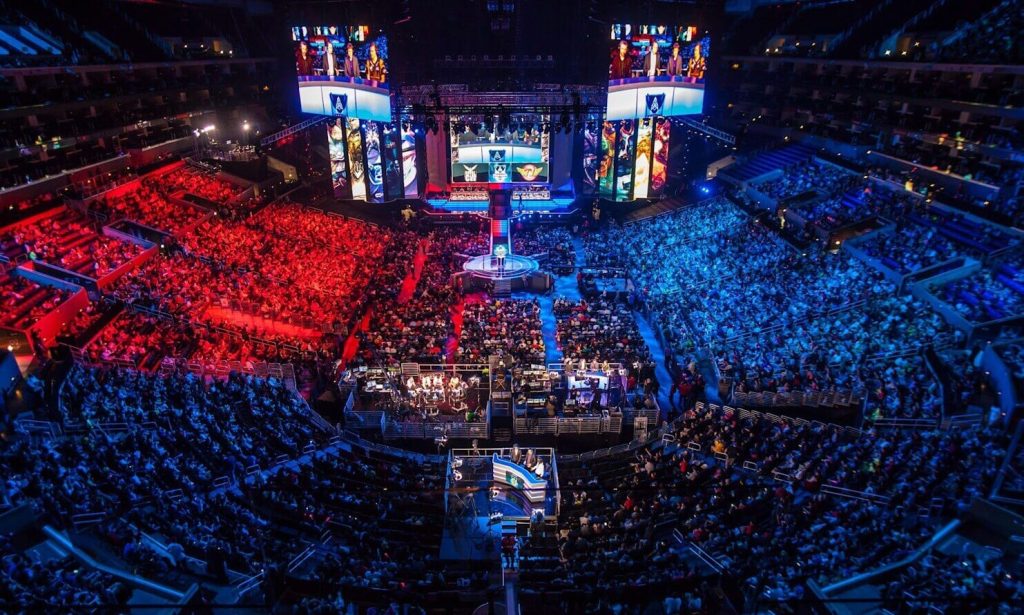
College students are improving more than just their gaming skills when picking up the controller.
Video games have often been stigmatized as a distraction and waste of time. The popularity of video games among students of all ages has skyrocketed throughout the past several years, and they are often dismissed as a distraction that pulls students away from their studies.
The video game industry has become one of the largest entertainment platforms in the world. Whether it be through content creation or ESports, video games are now more than just a pastime hobby.
This emergence is highlighted by the Global Gaming League, a league of celebrity owned video game teams that compete in live events. The Global Gaming League hosts tournaments across all genres and generations of video games, including Call of Duty, Rocket League, Pac-Man and Donkey Kong.

The goal of the Global Gaming League is to create a path to professional gaming for the 3.5 billion gamers worldwide, regardless of their age, gender or religion. However, the league differentiates itself through its blend of gaming, music and pop culture.
“It’s a mixture between the NFL meets WWE meets UFC,” said Global Gaming League founder Clinton Sparks.
Sparks is a Grammy nominated, multi-platinum DJ, Producer and Songwriter responsible for selling over 75 million records. “I’ve always been somebody that liked bringing people together,” he said. Sparks founded the league to “build something more relatable than the current model or infrastructure of any gaming league that currently exists.”
“I realized how gaming is the biggest entertainment platform in the world yet it is disconnected from mainstream pop culture…,” he said. “We intend on making gaming seen as a legitimate sport and gamers as real athletes.”
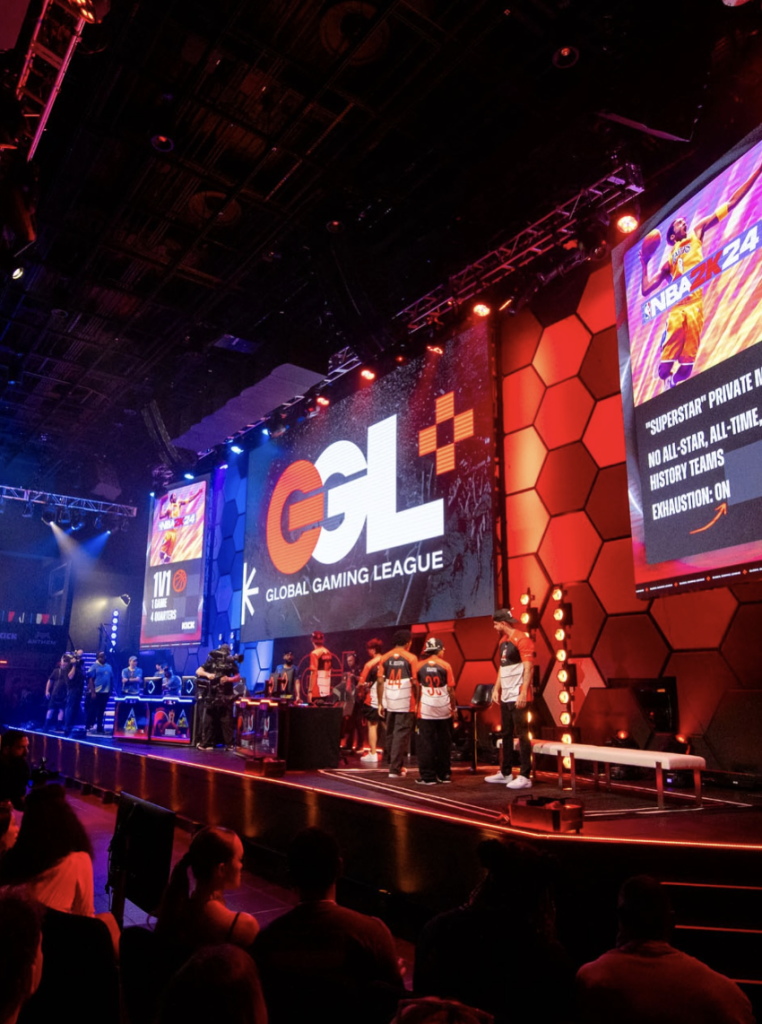
Sparks emphasized that the Global Gaming League is meant to be for people from all backgrounds and interests. “If it doesn’t include everybody then I don’t want to be included,” he said. “Here’s an incredible entertainment experience that the common denominator is gaming but there are other things for you as well, that will now make you understand how great gaming is.”
The growth of video games worldwide is prevalent among college campuses around the country.
Jordan Clarke, a junior at USC majoring in legal studies works as a videographer and content coordinator for USC Trojan ESports.
Clarke described USC Trojan ESports as a place that fosters a positive environment for community members to find a sense of ESports on campus. The organization has numerous games for all student interests, and even holds a tournament against UCLA during conquest week.
Although he grew up a huge fan of video games, Clarke was initially hesitant to join the ESports organization on campus. “I felt like ‘oh it’s not cool to be a part of ESports’,” he said.
Clarke eventually joined USC Trojan ESports his sophomore year. “I came into it thinking maybe this is my bread and butter…now being a junior, this is it. These are the people I need to be around.”
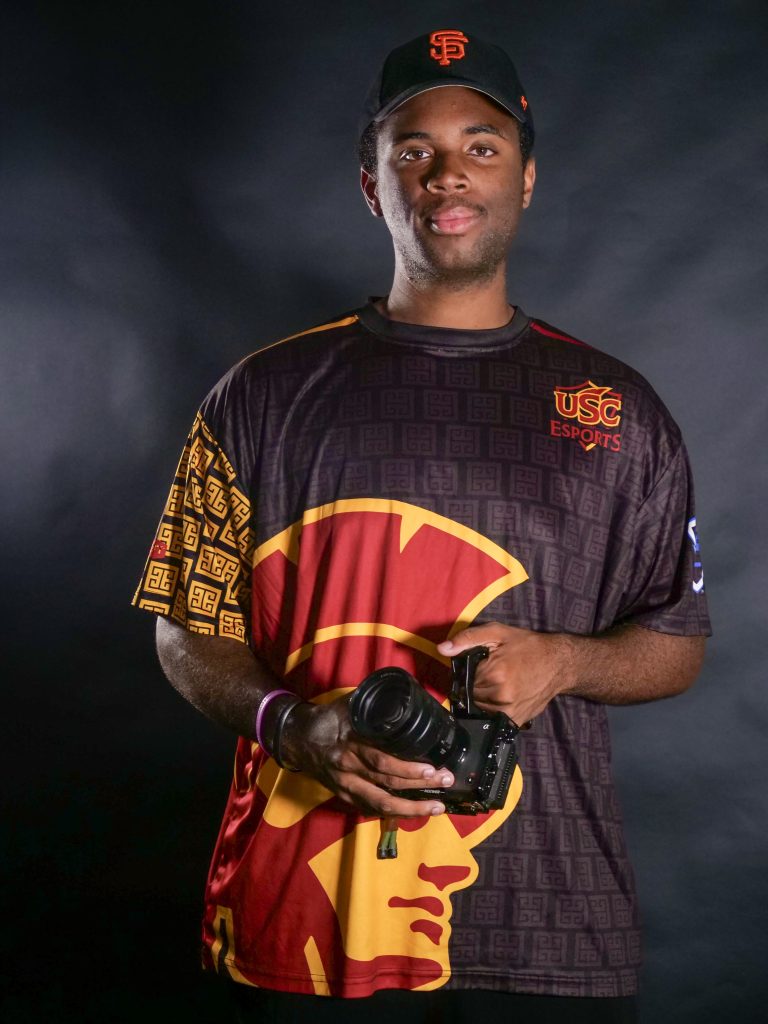
Clarke said the club has given a sense of belonging on campus, bringing him closer to like-minded people who enjoy the things he does. Through USC Trojan ESports, he is able to attend events and meet people who inspire him in the gaming world.
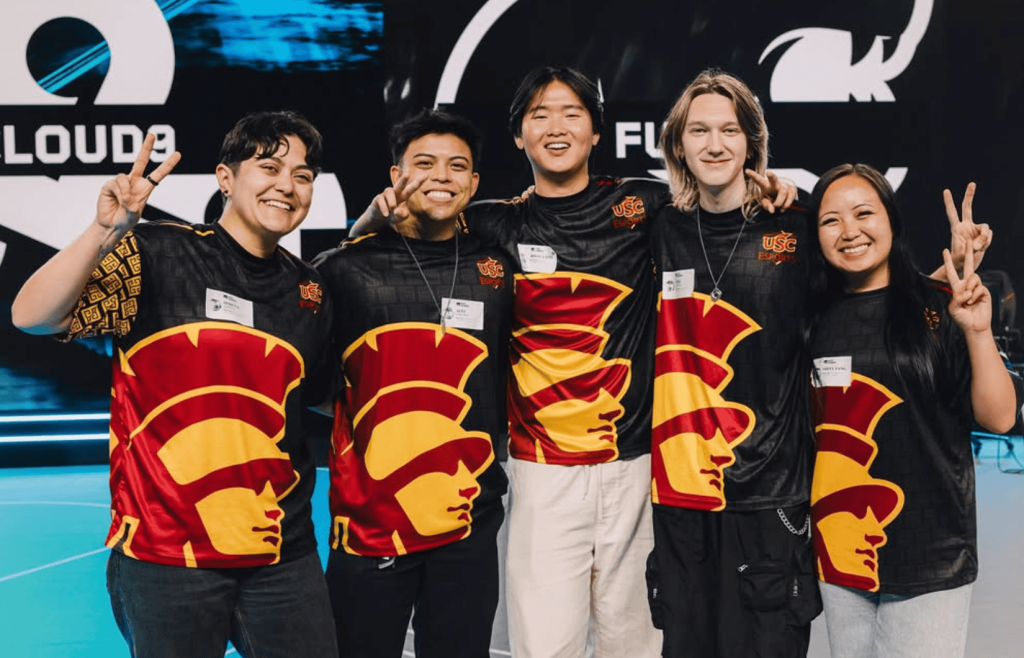
“I’m blown away by how inviting they are,” he said. “I wish I had developed that community sooner because they are just like me in the sense that they love gaming and certain elements of it that sort of is an unspoken bond in a way.”
Clarke also attributes gaming to academic success. “What gaming taught me was how to break down a decision or how to break down certain elements of a class,” he said.
Clarke touched on the intensity, quick thinking, and communication skills that he had to master to make it as an ESports player. He said applying these skills to his life helped me get internships, business opportunities and get into schools like USC, Stanford and UT Austin.
“Without gaming I wouldn’t have been able to get into those schools because of the communication and the knowledge and the ability to calm myself down and learn,” he said.
Alex Ayrapetyan, a junior studying architecture at Cal State Pomona, is a regular video game player and plans to join the ESports organization on campus. “I honestly can’t imagine life without it ,” he said.
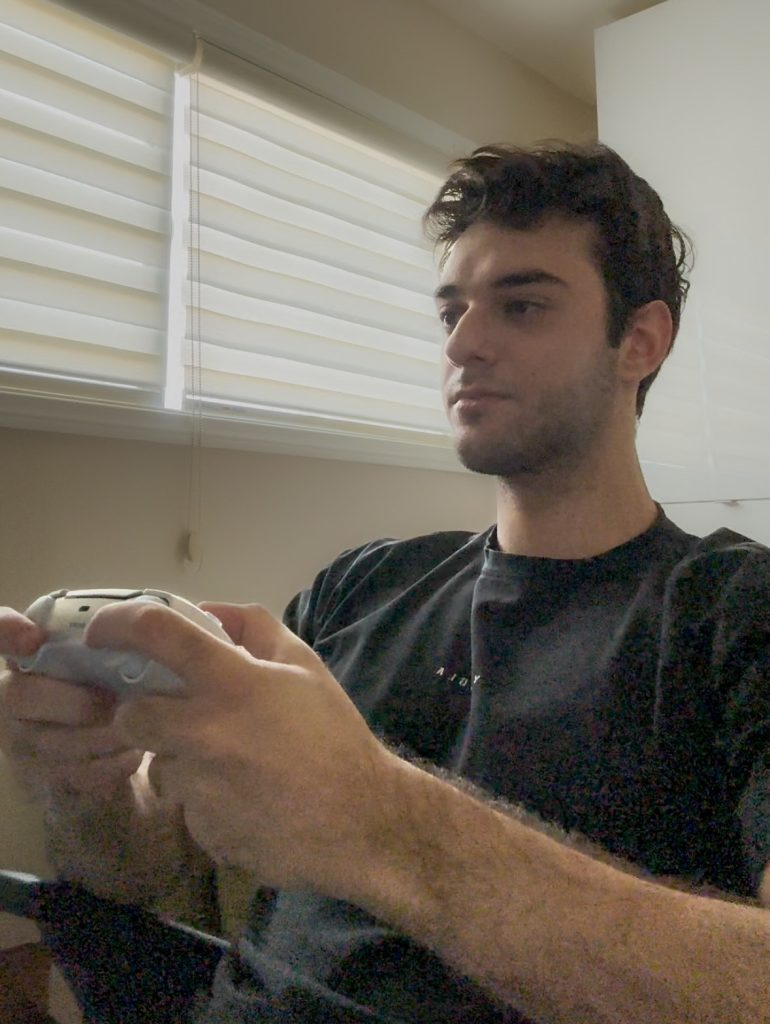
“I play so much that homework feels like a game. Me and my friends are so competitive that we think of strategies to win in game, and I can feel myself almost picking up that habit and applying it with school.”
Ayrapetyan compared his school semester to a game of Fortnite.
“When finals are coming up it’s like the storm is closing in,” he said. “It might sound dumb, but the amount of times I’ve stressed in game is like the stress of school. I approach the end of school like the end of a game, making sure I put myself in the best position to win.”
Ayrapetyan touched on the importance of being able to wind down but also maintaining balance. “Obviously I still make time for school work and don’t just rot in my gaming chair all day,” he said.
“But I think being able to take a break and have my mind work on something else is very helpful. College is stressful, and only thinking about school constantly would affect my mental health and grades.”
Ayrapetyan has a 3.7 GPA and says he plays video games three to five nights a week.
While the prevalence of this stigmatization remains, research suggests otherwise.
A multitude of scholarly studies suggest video games have a positive effect on cognitive health. A study published to Technology, Mind, and Behavior, an open access peer reviewed journal, explores the effects of video games on the mind. Effects of Action Video Game Play on Cognitive Skills: A Meta-Analysis finds that young healthy adults who frequently play video games tend to outperform non-gamers on a variety of cognitive tasks. “The strongest advantages being observed for perception, top-down attention, and spatial cognition.”
Another scholarly journal, titled Video games and board games: Effects of playing practice on cognition, says more gaming time was correlated with improved task switching performance and higher working memory spans. “Video games significantly increased mental flexibility, planning, visual working memory, visuospatial processing, fluid intelligence, and verbal working memory performance.”
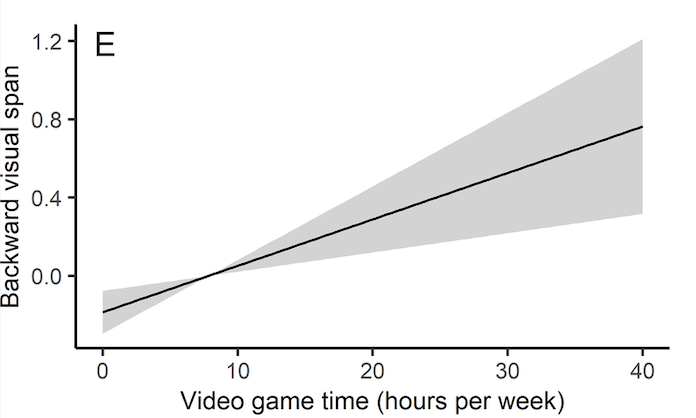
Improvements in aspects like attention span, problem solving and planning were observed in those who played video games. These traits can be directly applied to the classroom, and college students who wind down with their consoles during their free time are seeing the benefits.
David Corso is the founder of Holistic Gaming, a site that explores the benefits of video games. Holistic Gaming, as described by Corso, was his attempt to relay the big picture of what video games affect.
“Video game players outperform non video game players pretty much every time,” said Corso. “All games use and train our cognitive and thinking abilities. Our mental abilities are activated when we read directions, learn rules, move our bodies, organize units, spend resources, solve problems, throughout all aspects of a game.”
Corso thinks the best way to teach people about the benefits of video games is…through a video game.
“Ideally it would be through a game,” he said. “It would be inherit in itself…that’s what games should be is kind of a bucket of fun. A good game should captivate almost anybody.”
Video games are becoming more and more common among college students. It is important to realize that they are not just a waste of time. Video games are often brushed off as a distraction, but have shown they can reinforce learning and useful real world skills.
Studies suggest that video games consistently challenge players to think critically, communicate clearly, and adapt quickly. Those same skills show up in college classrooms every day, whether students are working through complex material, collaborating on group projects or juggling multiple deadlines.
For students like Clarke and Ayrapetyan, gaming is not something that pulls them away from classroom, but something that sharpens the skills they bring into the classroom.
Learning does not only happen in a lecture hall or behind a desk. As students’ learning styles evolve, gaming communities and esports programs can become contributing factors to academic success. These spaces teach structure, competition, connection and provide a sense of community.
Balance still matters, but the growing body of research and student experiences suggest that gaming can support both academic and future success. For college students, picking up a controller is not always about escaping schoolwork. It is another way they are learning how to focus, problem solve and manage the pressures of college life.