The Unfiltered Truth
Escaping the Illusion of Social Media
Carter Hyde

My Mental Space
Instagram was my gateway drug. I was 12 when I created my first account. At 14, I downloaded Snapchat and had streaks with 144 people, three-fourths of whom I had never met in person. Snapchat streaks were a competitive means to proving I had friends who “knew people.” I uploaded video vlogs and photos daily to further exemplify my popularity and endless stream of plans with friends. At 15, I created a twitter profile. I followed accounts that supported my values, consistently retweeting information confirming my beliefs. I spent countless hours watching conspiracy theories and plummeted into a rabbit hole of misinformation.
On social media, everyone was stunning and looked like they were living their best lives. I believed everything I read and saw.
By the time I was 16, it became clear that social media had changed me and the trajectory of my life. That’s when I realized I had a problem.
In 2016, when I was 16 years old, I broke my phone. It was the summer before my freshman year in high school. Consequently, my parents made me wait two weeks before I got a new one. In that short period of time, I felt more disconnected than ever and had an overwhelming Fear of Missing Out (FOMO). I suffered from withdrawals. I didn’t know what to do with my hands, where to look when I felt awkward, or how to occupy my time. Reaching for my phone was a reflex and a way to cope with uncomfortable, boring, and awkward situations. When I felt myself constantly reaching for my phone, I began to realize just how truly addicted I was.
During that disconnected time that August, I tried to find other things to occupy my time. That was when I picked up writing. The moment I realized my unhealthy social media habits, I pulled out my journal and wrote a letter to my future self. I tore it out, placed it in my bedside table in hopes that I would refer to it the next time I fell back into this addictive cycle.
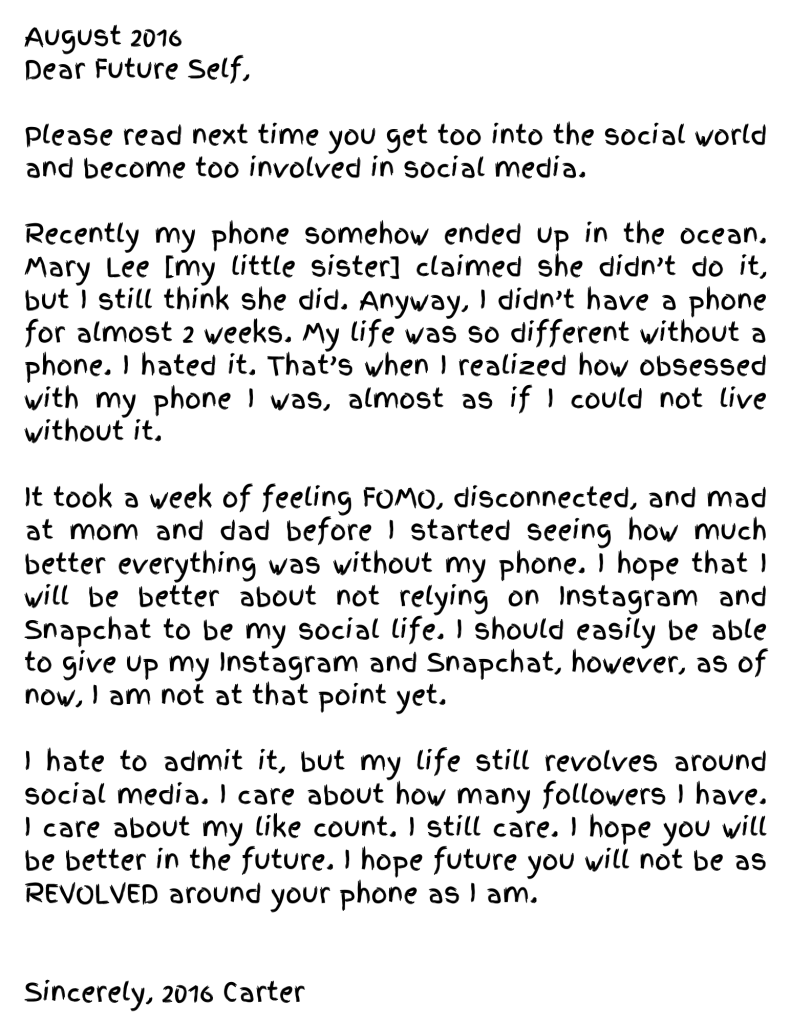
But, the second I got my new phone, rather than text my friends an update, the first thing I did was re-download and log in to all my social platforms. I was anxious to catch up on all that I missed while off the grid, restart my snapchat streaks, and update the world that I was back. It only took seconds for me to fall face first into the habits that consumed me just weeks earlier; It was as if those two weeks of reflection and realization never even happened. Like returning to a drug the first chance a recovering addict gets, I felt a dopamine rush and no desire to let it go.
The weeks went on and next thing I knew summer was over and freshman year started. I had high expectations for my first semester based on idealized portrayals of what high school was like in the movies, and I was the main character: popular with a friend group and boyfriend everyone was envious of, athletic, smart, and put-together. The main character always had it all together with a perfect life. But, for me, those first few months were anything but perfect and that vision was shattered.
With the betrayal of one friend and receiving the silent treatment from another, I felt exhausted and defeated, moving from one friend group to another seeking acceptance. Things took a turn for the worst when my younger brother’s friend unexpectedly died by suicide. It was the second time my community had suffered a loss like this, but never someone so young, so full of life.
These back to back to back events sent me in a downward spiral. Overwhelmed by loss and a sudden lack of control over my life, I continued relying on the one thing I felt like I could control: how people perceived me, specifically online.
When you are obsessed with social media, it can be awfully tempting to try to hide your problems via social media tools to convince the world you are okay. It’s because we live in a society where hiding your problems behind an “I’m fine” and a fake smile seems like a better alternative than admitting you are struggling. And I was really struggling.
The countless hours I spent at night doom scrolling instead of sleeping manifested into deep bags under my eyes. My constantly spiraling thoughts suffocated my appetite and I began to look frail and thin. I not only felt depleted, I looked like it. The day I looked in the mirror and struggled to recognize myself was the day I knew I couldn’t let anyone, not even my parents, see how much I was struggling.
Social media preyed on my insecurities, flooding my feed with influencers promoting weight loss regimes and tips for how to look prettier. I constantly compared my Instagram profile to those of my peers, jealous of how perfect their lives seemed and how effortlessly happy they were. So, I tried to emulate that.
My social media morphed into a highlights reel. When I drafted my Instagram posts, I never included the ones where it was clear I had been sleep deprived and was struggling. Instead, I would edit out the bags under my eyes, smooth my skin so I was radiant, and make myself more tan. I posted photos of a smiling, vibrant, happy teenager that looked like me, but deep down, wasn’t me.
I thought I was fooling everyone. Looking back, I realize maybe I was only fooling myself and some of my friends.
Within a few months of writing the letter, I fell into a dark hole of anxiety, depression, and suicidal thoughts. On December 9 of that year, everything fell apart. That day, I lost someone to suicide. She was my camp counselor, role model, mentor, and ultimately my friend and I didn’t suspect a thing. I spiraled: How did I not notice? Did I miss the signs? Could I have done something? If she didn’t feel like she was enough, neither could I.
It was hard to fake it after that, but I still tried. My friends knew of the death and expressed sympathy but with exams underway, it felt like everyone was too preoccupied with studying to care. I failed all my exams that week. I didn’t care. In fact, I didn’t care about anything. I had hit my rock bottom.
I didn’t think my life was worth living anymore. I wanted the pain to stop. So, I made a plan. Wrote letters to the important people in my life. Didn’t tell anyone. December 14, 2016 would be my last day.
December 13 came around with the end of exams. To celebrate, my friend group spent the night at a friend’s farm to kick off the start of winter break. It was my last night and the last opportunity to change my mind. But none of my friends noticed or at least at the time I felt that way.
Later that night, seven of us piled into one of the four-wheelers on the property. Everyone took turns driving winding down the narrow rocky roads. Echoes of laughter, music, and singing resounded across the field. I, however, wasn’t laughing, or singing, or even smiling. Instead, I reflected on my life over the previous 16 years and stared at the stars one last time.
We were going upwards of 70 mph going for a sharp turn. Next thing I knew, the fore-wheeler began leaning to one side and suddenly we were toppling down a rocky incline and all I could see was pavement. The fore-wheeler flipped three times before we were thrown out of the vehicle and scattered across the cement. The next moments were filled with the chaotic screams of my friends, recovering from the shock, searching for each other, assessing any injuries and damage.
I continued to look at the stars. I could feel the blood trickling down my forehead and the numbness in my right arm. And yet, it was the first time I truly smiled, a genuine smile, in months.
My friends located me and huddled around asking if I was okay and helping me. Shock and confusion masked their expressions at seeing me smiling and laughing at the sky after our traumatic incident. Though they didn’t know it at the time, that was the moment I realized how fragile life is. I was alive. But up until that moment, I didn’t want to be. So, why was I alive?
My friends carried me back to the house and tears filled my eyes as they hugged me, expressing how much they loved me. I realized I had a purpose. I didn’t know what it was, but some universal force wanted me alive and I needed to find out why.
The next day, December 14, the day I planned to die, ended up being the day I chose to live. But I knew I’d have to make some real serious changes if I wanted to get better. And this time, I actually wanted to get better.
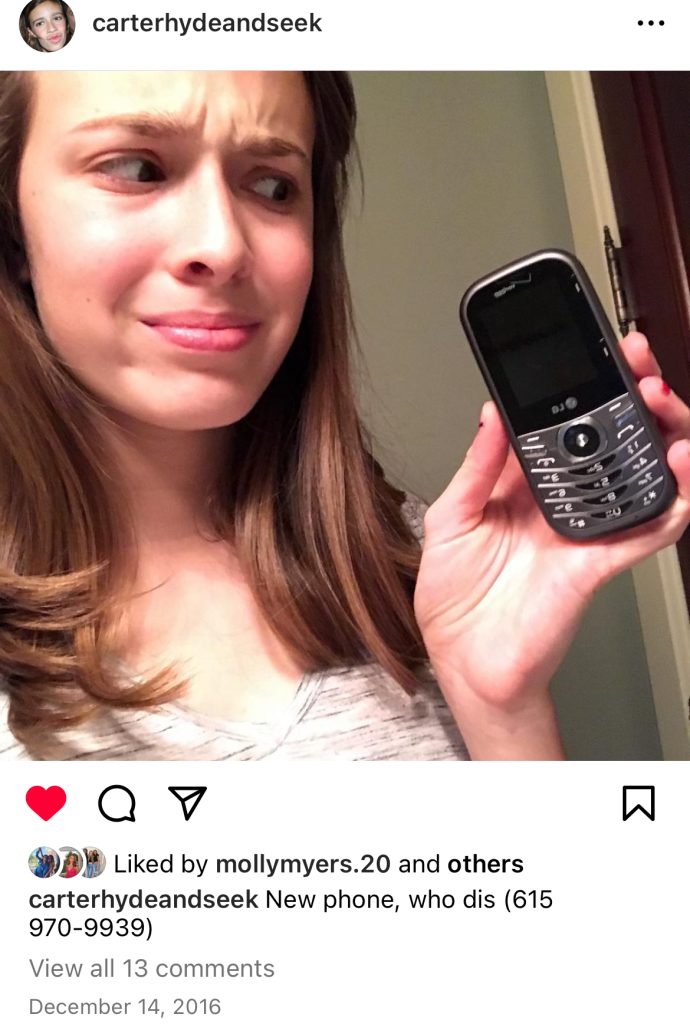
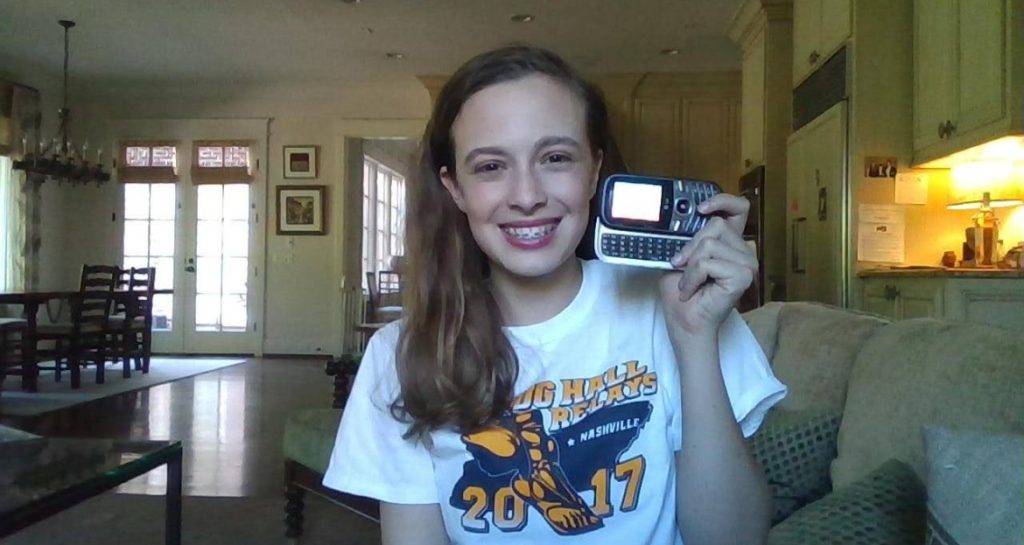
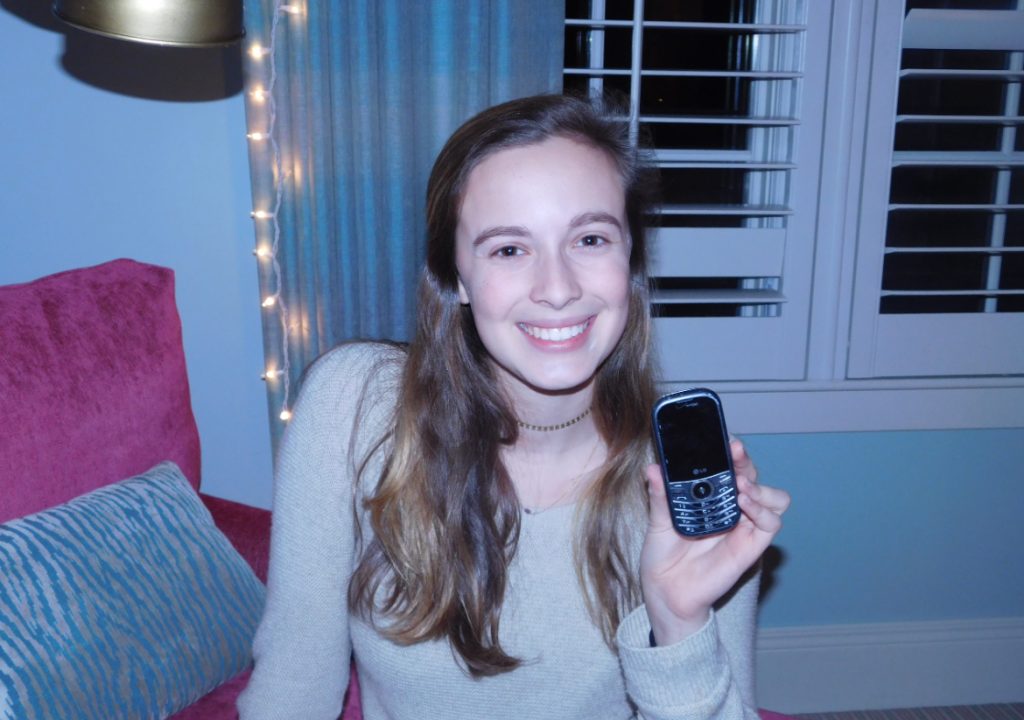
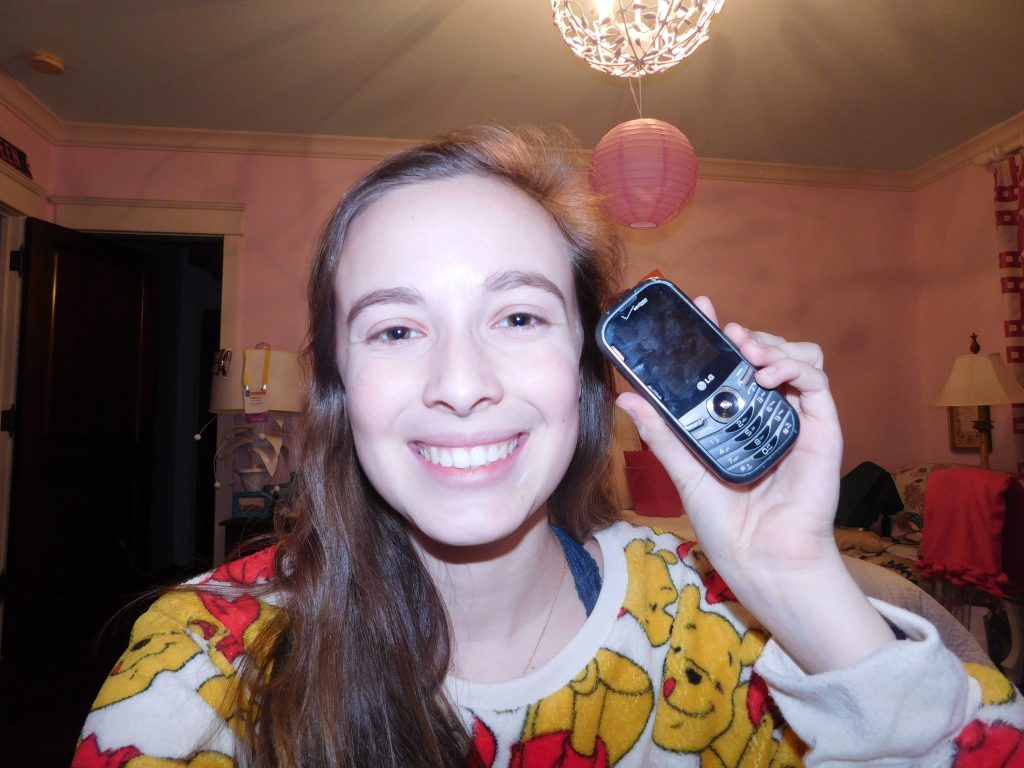
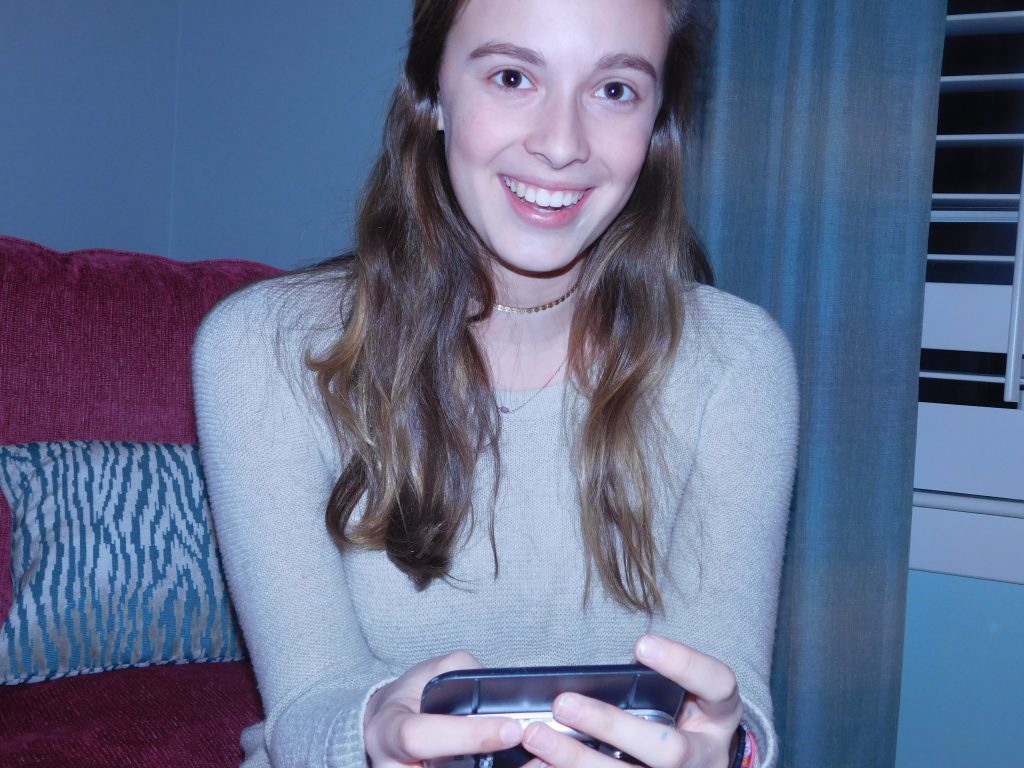
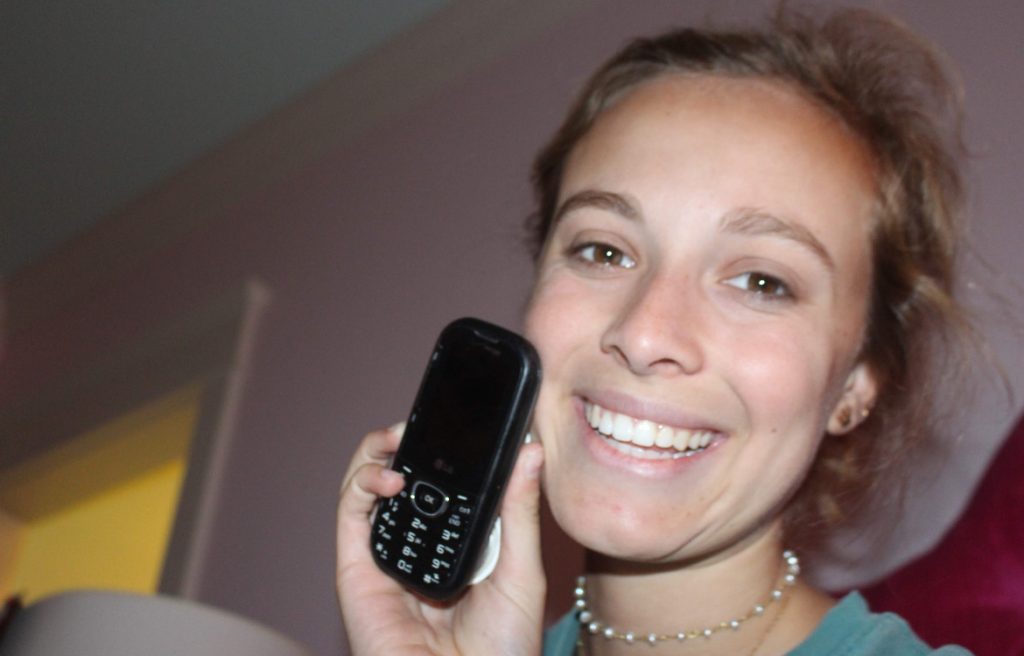
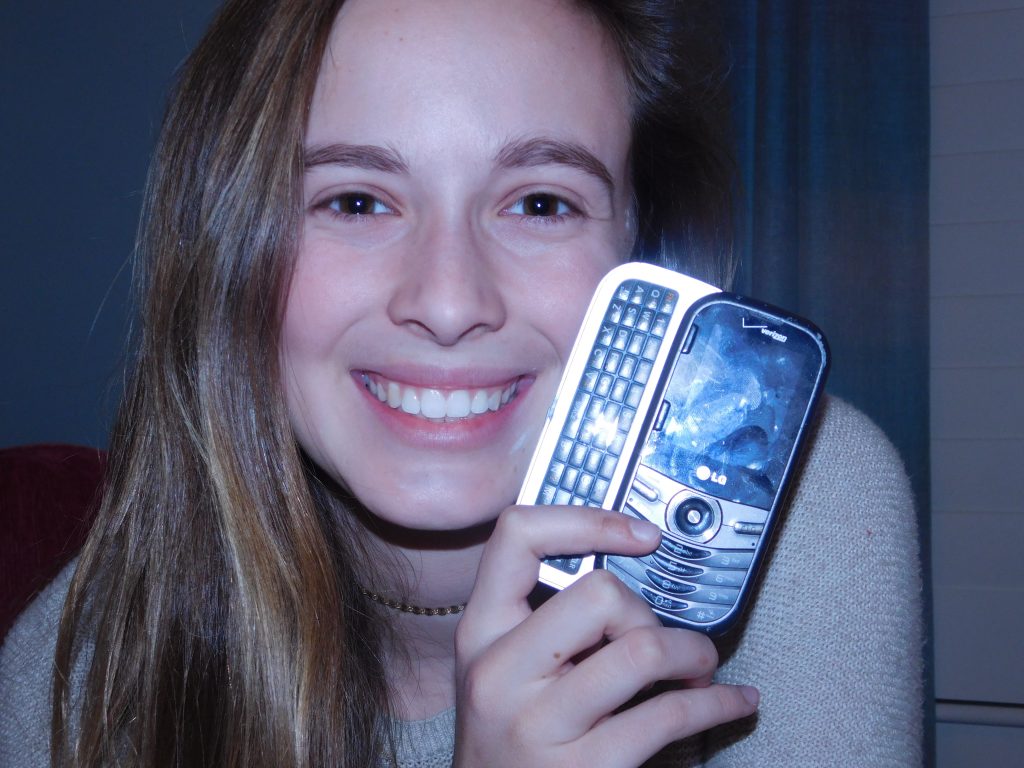
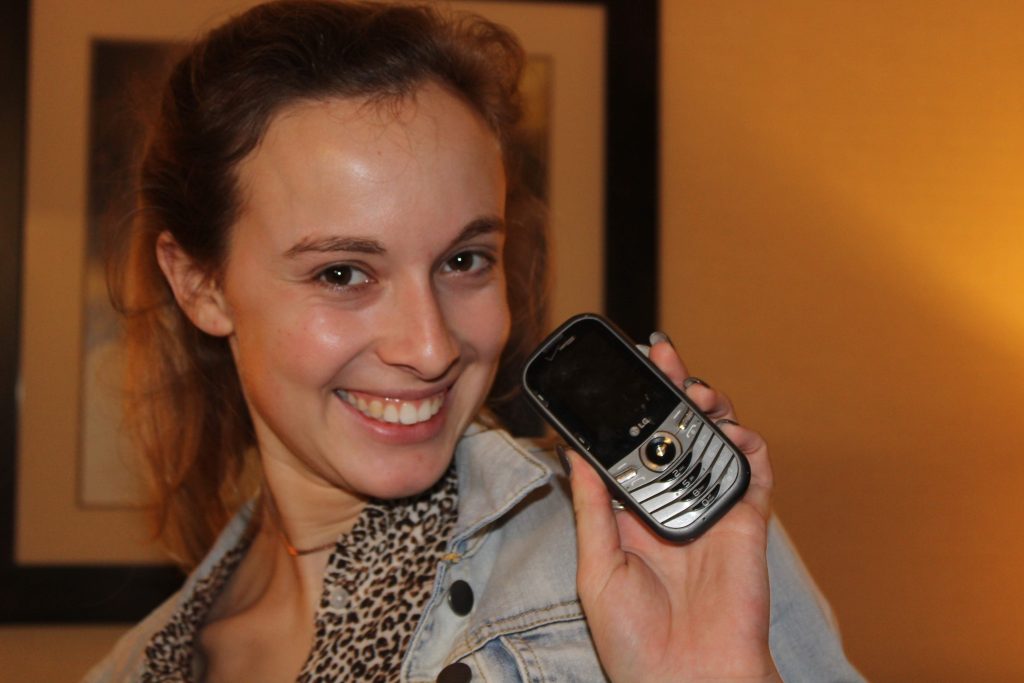
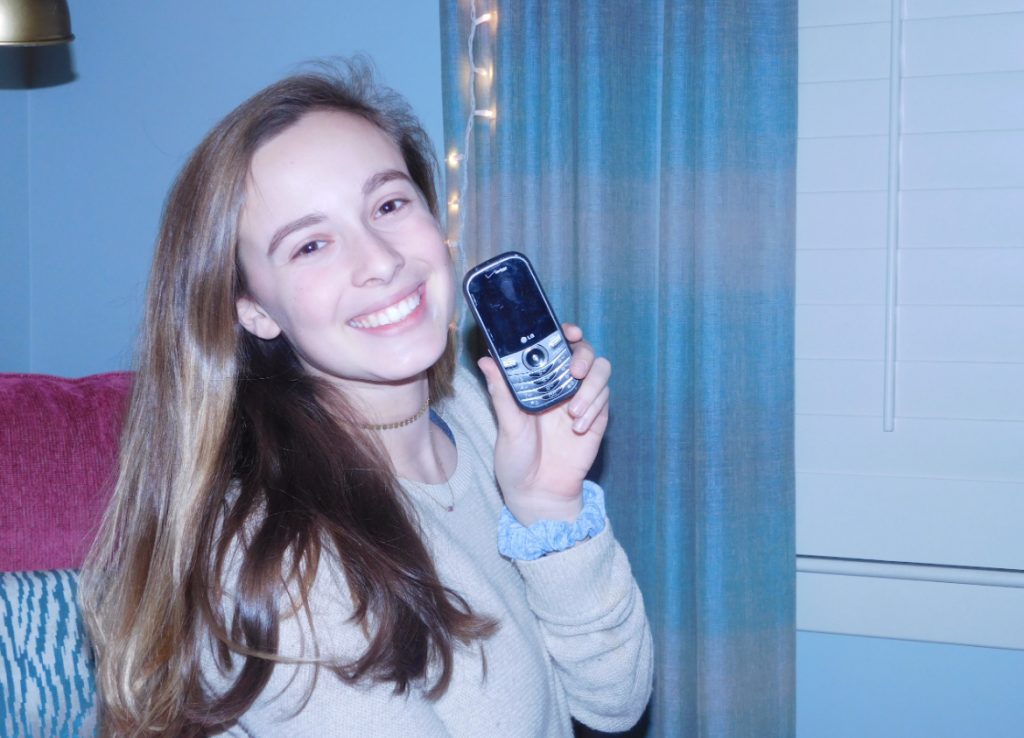
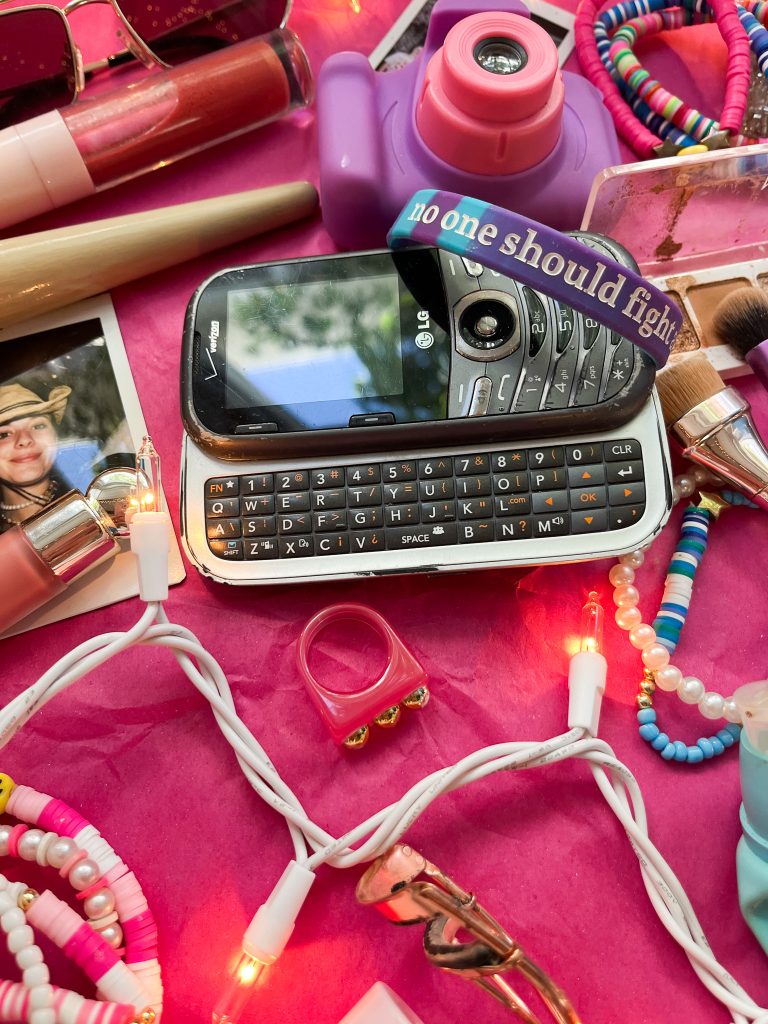
December 14 became the day I bought a flip phone and deleted my social media, turning in my iPhone and finally turning my life around. I felt it was a necessary step in my mental health recovery. THAT impulsive purchase began my four year journey towards self-improvement, discovery, and healing.
In the six years since, social media has further penetrated the lives of most people, including hundreds of millions of tweens, teens, and young adults via Instagram, Snapchat, Twitter, and increasingly Tik Tok. It has made me wonder how these platforms have such a hold on us.
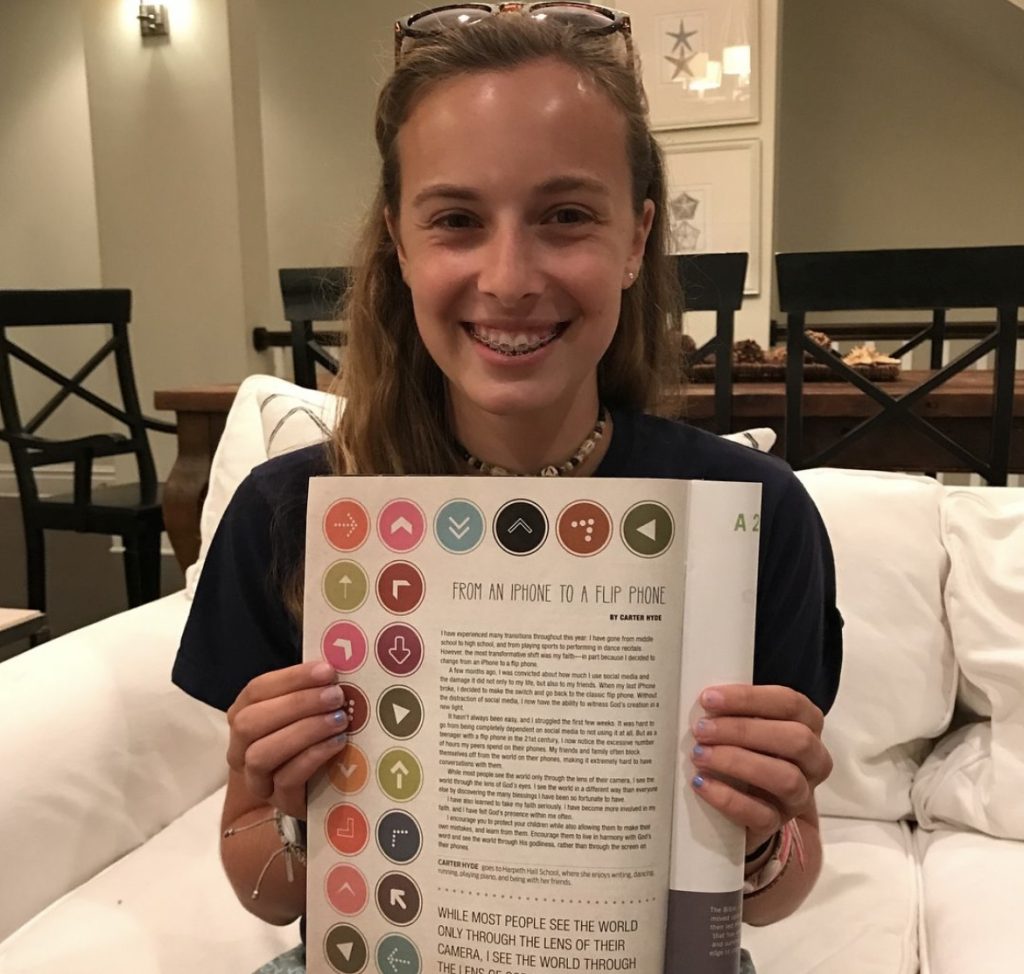
I created a blog and wrote for numerous publications about the lessons I had learned from deleting social media. I did this in hopes that people struggling with social media addiction and mental health would know they weren’t alone.
Even as a teenager I came to understand that the negative things I was feeling from social media were not entirely a byproduct of my own thoughts or actions. It wasn’t my fault that I had self-esteem problems stemming from comparing myself to Instagram models. It wasn’t my fault that I was led to believe being skinny and not eating would make me more pretty. It wasn’t my fault that I was only exposed to curated images portraying perfect versions of people’s lives. It wasn’t my fault that I was losing sleep to hours of scrolling. It wasn’t my fault then and it still isn’t now. For so long, I blamed myself for falling into the trap of social media and that given my usage of these apps, I deserved what I got. I’ve since learned that that’s not true. Instead, the negative effect social media had on me physically, mentally, and emotionally was the result of the calculated actions taken by people with bad intentions and strong influence: the people behind the creation of platforms and the people that use the platforms to negatively influence us.
I wanted to understand how they reached me, and why.
The evolution of influence
In a time where every like, share, and click leaves a digital footprint, the age-old art of influence has evolved from a persuasive communication tactic into a modernized, captivating form on social media. From the tempting appeal of targeted advertisements to the charm of viral influencers, social media has become a global stage where perceptions are shaped and opinions are freely expressed. The past and modern landscape of influence raises a central question: How and why are we so easily influenced, and how do these influencers shape our perceptions?
While influence is an inevitable aspect of social media, it is not a new phenomenon. Influence has historically been used by figures who swayed public opinion on a massive scale. The only distinction between historical and contemporary influencers emerges in the existence of social media.
Your brain on social media
When I was born in 2001, the popular social media were Youtube and Myspace. In the last two decades, social media washed over much of the world. Today, there are more than 5 billon people using social media worldwide, according to Statista1. And the number continues to grow each year across age groups.
As social media usage continues to grow globally, different platforms resonate with some age groups more than others. According to a 2023 Pew Research survey2 , Americans ages 30 to 49, spend the most amount of time on Facebook (75%).
Instagram remains the most popular platform among 18 to 29 year olds, with nearly 78% using the app. A separate Pew Research Center survey3 conducted on American teenagers reported that a majority of them use TikTok (63%), Snapchat (60%), and Instagram (59%).
The lure of social media extends across age groups. People are drawn to social media for a variety of reasons, driven by both societal norms and personal desires.
Ultimately, these underlying motivations can be explained by psychological principles, namely the theory of self-determination.
“The theory explains necessary motivations for a happy life,” said Associate Teaching Professor in the Department of Psychological and Brain Sciences at Johns Hopkins University, Dr. Dylan Selterman. “These are the basic psychological needs and drives people have for things like bonding with others, a sense of competence, and freedom.”
Dr. Selterman argues that many are drawn to social media because of platforms' abilities to satisfy our three basic psychological needs of autonomy, competence, and relatedness.
“Social media platforms fulfill psychological needs to helping people to connect with others (satisfying the need for relatedness),” Selterman said. “It may be that people turn to social media to satisfy their psychological needs because they’re not being fulfilled elsewhere.”
Dr. Selterman
While there are many benefits to social media, there is also a dark side in which cyberbullying, manipulation, misinformation, and exploitation exist.
These pitfalls have become even more apparent in the aftermath of the Senate Judiciary Committee hearing held on January 31. The hearing was called to investigate Big Tech’s failures to protect children from online sexual exploitation.
“They’re responsible for many of the dangers our children face online,” said chairman of the Senate Judiciary Committee Senator Whip Dick Durbin in his opening remarks. “Their design choices, their failures to inadequately invest in trust and safety, their constant pursuit of engagement and profit over basic safety have all put our kids and grandkids at risk.” The hearing began with a video montage featuring parents and children harmed by social media, sharing the impact exploitation has had on them. The video featured parents holding up pictures of their children who died by suicide due to abuse on social media. Many of the families held social media platforms responsible for the harm inflicted on their children.
Founder and CEO of Meta, Mark Zuckerberg, who voluntarily appeared at the hearing was the target of many grievances. In his opening statement, Zuckerberg expressed the importance of investigating the effects of teen mental health and wellbeing. “Mental health is a complex issue and the existing body of scientific work has not shown a causal link between social media and young people having worse mental health outcomes.”
Senator Josh Hawley (R-MO) later refuted Zuckerberg’s claim that “the bulk of the scientific evidence doesn’t support that'' with data from a Wall Street Journal report4 demonstrating the exact opposite. Sen. Hawley also referred to data from a written testimony provided by former Meta Senior engineer Arturo Bejar.
Countless research studies also provide evidence for a link between social media and poor mental health. Studies have found that excessive use of social media was associated with increased depression, anxiety, loneliness, negative social comparison, lower self-esteem, and body dissatisfaction.5,6,7
Given all the potential negative consequences that can stem from social media, why do we keep using it? As highlighted by the Senate hearing, social media platforms use our inherent psychological vulnerabilities to keep us scrolling. Everything from the apps’ design to its features is carefully curated and designed to get us hooked.
In Netflix’s “The Social Dilemma” documentary, Edward Tuftez, professor emeritus of political science, statistics, and computer science at Yale University, said that, “There are only two industries that call their customers ‘users’: illegal drugs and software.”
Given that having accounts on most of these apps is free of charge, social media platforms find other, creative ways to generate revenue. The more we engage on these platforms, the more valuable data they gather on us. Put another way, effective social media companies turn our attention into their revenue.
“You have a business model designed to engage you and get you to basically suck as much time out of your life as possible and then sell that attention to advertisers,” said Sandy Parakilas, a former Facebook employee.
Social media is designed to entice us. Because of this, we are all inherently vulnerable to the pitfalls of social media. For so long, I believed I was being targeted. In reality, we are all being targeted by social media. Every advertisement, suggested post, TikTok, and Instagram Reel was not placed on your feed by accident. Our every move is tracked, forming the perfect profile of what our likes and dislikes are, and what kind of content keeps us scrolling the most.
In some way, we are all being targeted and we are all susceptible to being influenced.
The historical influencer
Influencers have been around long before social media's existence. In fact, many of the persuasive tactics used by modern-day influencers have been past down from some of history's most influential figures.
Associate Professor of the Practice of Political Science and International Relations, Steven Swerdlow said, “each country and each time period comes with its own circumstances and challenges for the population.” Many of the world’s greatest influences were able to capitalize on major economic desperation and ongoing crises.
Destructive yet undeniably powerful influencers such as Hitler and Stalin were able to sway large audiences by instilling fear while also animating the public with promises of a bright future, according to Swerdlow.
“The media is a tool for shaping a vision of the leader, blocking out other voices, muzzling the messengers, silencing all critics, and constantly hammering home and repeating the message that it’s external enemies,” said Swerdlow.
Many of these dictator figures presented themselves as an utopian messiah and used the media to convince the public that they alone can fix these problems.
“People like Hitler and Mussolini were extremely good at using the media right, and that was part of how they caught their opponents off guard,” said director of Max Kade Institute for Austrian-German-Swiss Studies, Paul Lerner.
Persuasive techniques, including rhetoric and wishful thinking, are implemented by modern-day influencers and politicians. Social media, however, changes the landscape of influence culture.
According to Swerdlow, “social media allows us to transgress more quickly, it allows us to depart from ethical guidelines in a less accountable way.”
Sources
- Statista. (2024). Number of internet and social media users worldwide as of January 2024. Accessed April 13, 2024, from https://www.statista.com/statistics/617136/digital-population-worldwide/
- Pew Research Center. (2024). Social Media Fact Sheet. Retrieved April 14, 2024, from https://www.pewresearch.org/internet/fact-sheet/social-media/
- Pew Research Center. (2023). Teens, Social Media and Technology 2023. Retrieved June 14, 2023, from https://www.pewresearch.org/internet/2023/12/11/teens-social-media-and-technology-2023/
- Wells, G., Horwitz, J., & Seetharaman, D. “Facebook Knows Instagram Is Toxic for Teen Girls, Company Documents Show,” The Wall Street Journal, September 14, 2021, https://www.wsj.com/articles/facebook-knows-instagram-is-toxic-for-teen-girls-company-documents-show-11631620739
- Boers E, Afzali MH, Newton N, Conrod P. Association of Screen Time and Depression in Adolescence. JAMA Pediatr. 2019;173(9):853–859. doi:10.1001/jamapediatrics.2019.1759.
- Lin, L. Y., Sidani, J. E., Shensa, A., Radovic, A., Miller, E., Colditz, J. B., Hoffman, B. L., Giles, L. M., & Primack, B. A. (2016). ASSOCIATION BETWEEN SOCIAL MEDIA USE AND DEPRESSION AMONG U.S. YOUNG ADULTS. Depression and anxiety, 33(4), 323–331. https://doi.org/10.1002/da.22466
- Yurdagül, C., Kircaburun, K., Emirtekin, E. et al. Psychopathological Consequences Related to Problematic Instagram Use Among Adolescents: The Mediating Role of Body Image Dissatisfaction and Moderating Role of Gender. Int J Ment Health Addiction 19, 1385–1397 (2021). https://doi.org/10.1007/s11469-019-00071-8
- https://www.britannica.com/biography/Mahatma-Gandhi/Place-in-history
- https://www.britannica.com/biography/Martin-Luther-King-Jr/Challenges-of-the-final-years
- https://www.britannica.com/biography/Adolf-Hitler
- https://www.britannica.com/biography/Benito-Mussolini
- https://www.britannica.com/biography/Joseph-Stalin