Pacific Islanders reflect on ancestry, identity, and community.
By Tatiana Matamealelei Sataua
Chapter One
Where they are today
Na matou tūtū la’au ma nei.
On the journey to where we are today, we have rested under many trees.
This Samoan proverb metaphorically references trees, which are the ancestors who set up these pathways for one to embark on a journey. A reminder every step forward is made possible by those who came before us and those who walk alongside us.
It speaks to a truth deeply rooted in Pacific Islander cultures: you are never alone. Even in moments of struggle or silence, your ancestors, your elders, and your community are holding space for you.
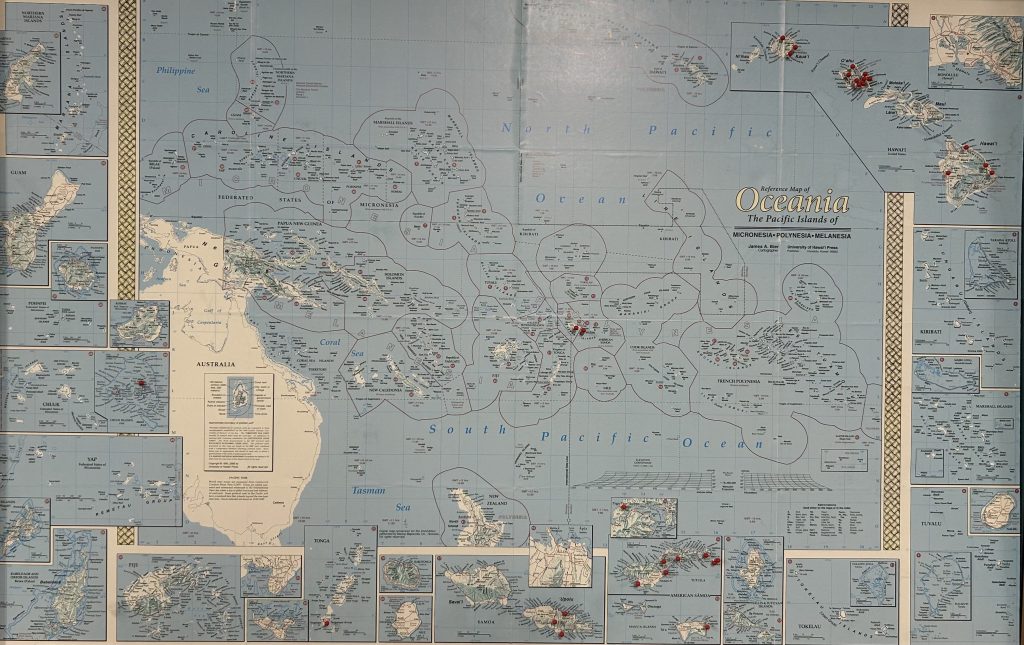
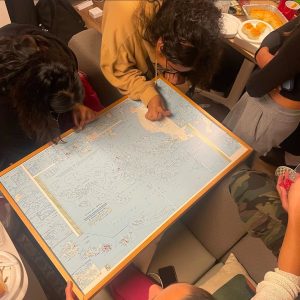
Take a look at the map below to see these regions of the sea.
Most maps taught in American classrooms, like the one above, slices Oceania down right in the middle. Scratching only the surface and scattering its islands across the margins and reducing them to tiny dots in a vast blue nothingness.
That’s not how Pacific Islanders seem themselves though.
This map on the right tells a different story. It recenters the ocean as connection, separation. It’s a reminder that these islands are not isolated specks, but part of a
massive oceanic network, deeply lived in and deeply felt.
To understand the Pacific, you have to see it the way Pacific Islanders do: not as
scattered, but as whole.
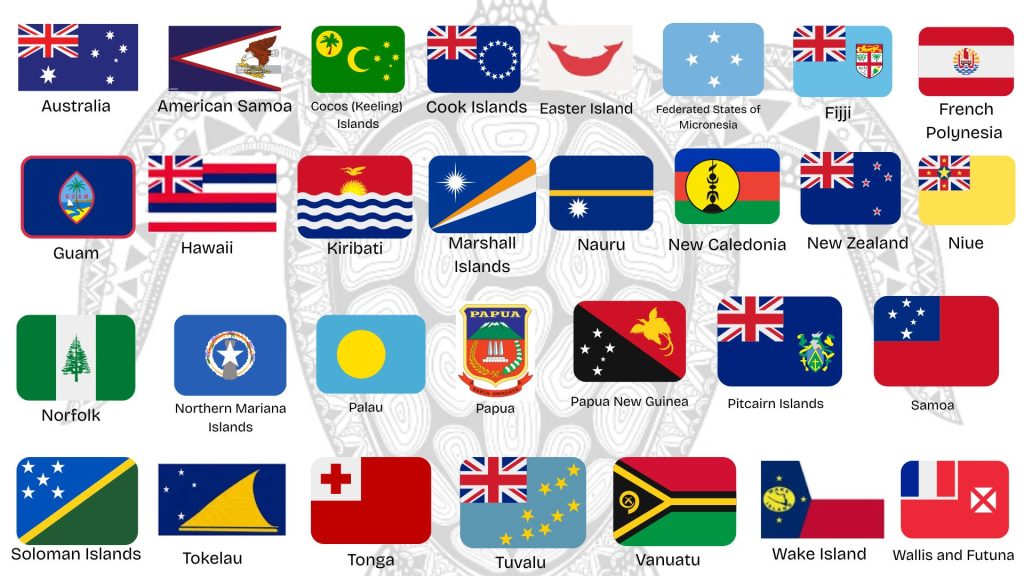
Conversations with a handful of Pacific Islanders revealed that while those within the group share many similarities, they are different.
It’s important, they say, to not “lump them together.”
However, you may find that community is their common thread.
Chapter Two
From we to me
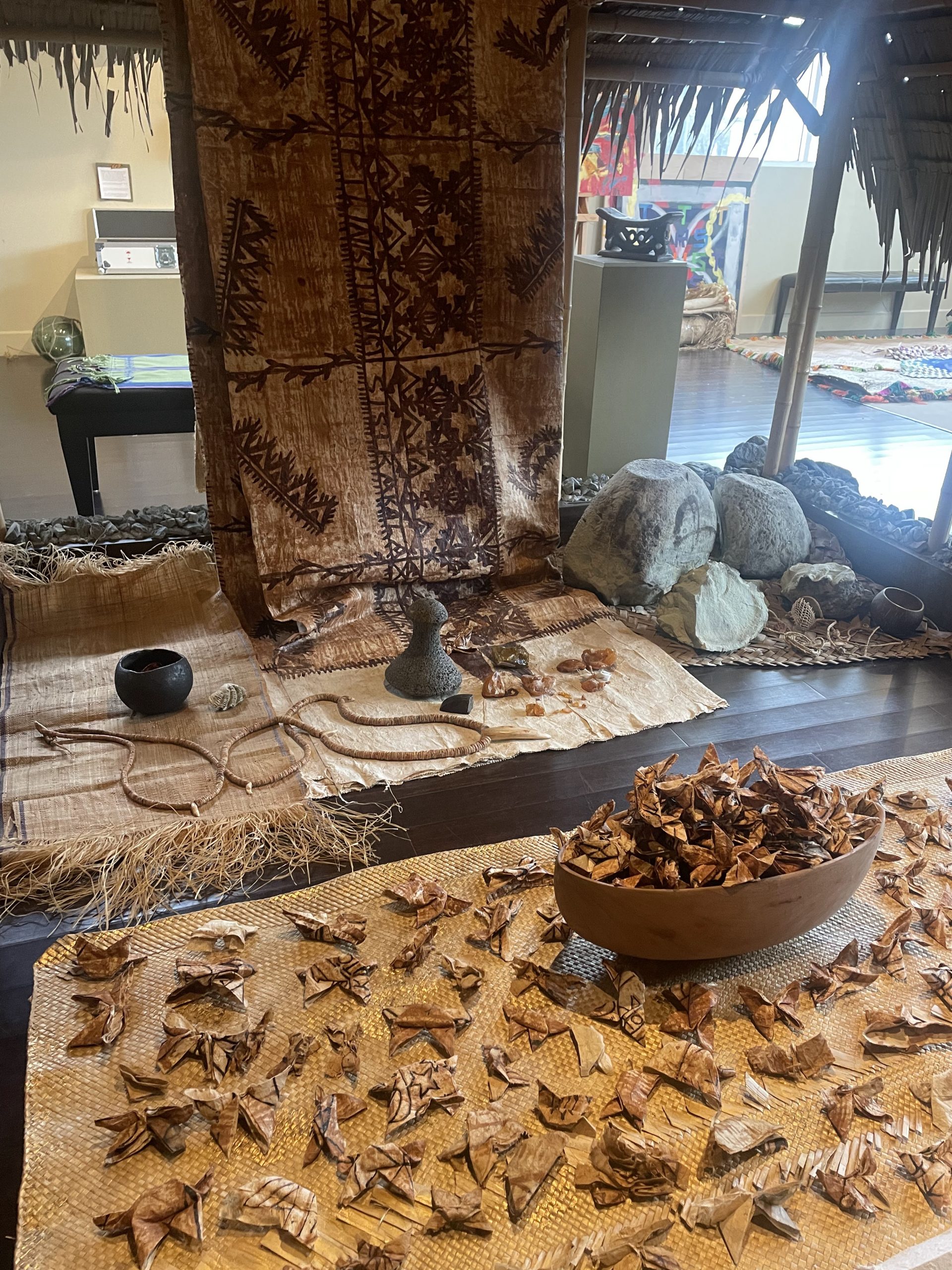
To Pacific Islanders, the ocean and land provided opportunity and connection. These vibrant communities produced master navigators, powerful chiefs, and agriculture experts. They retained strong bonds to their homelands, preserving their identity by continuing cultural traditions, despite the erasure and misrepresentation happening in America.
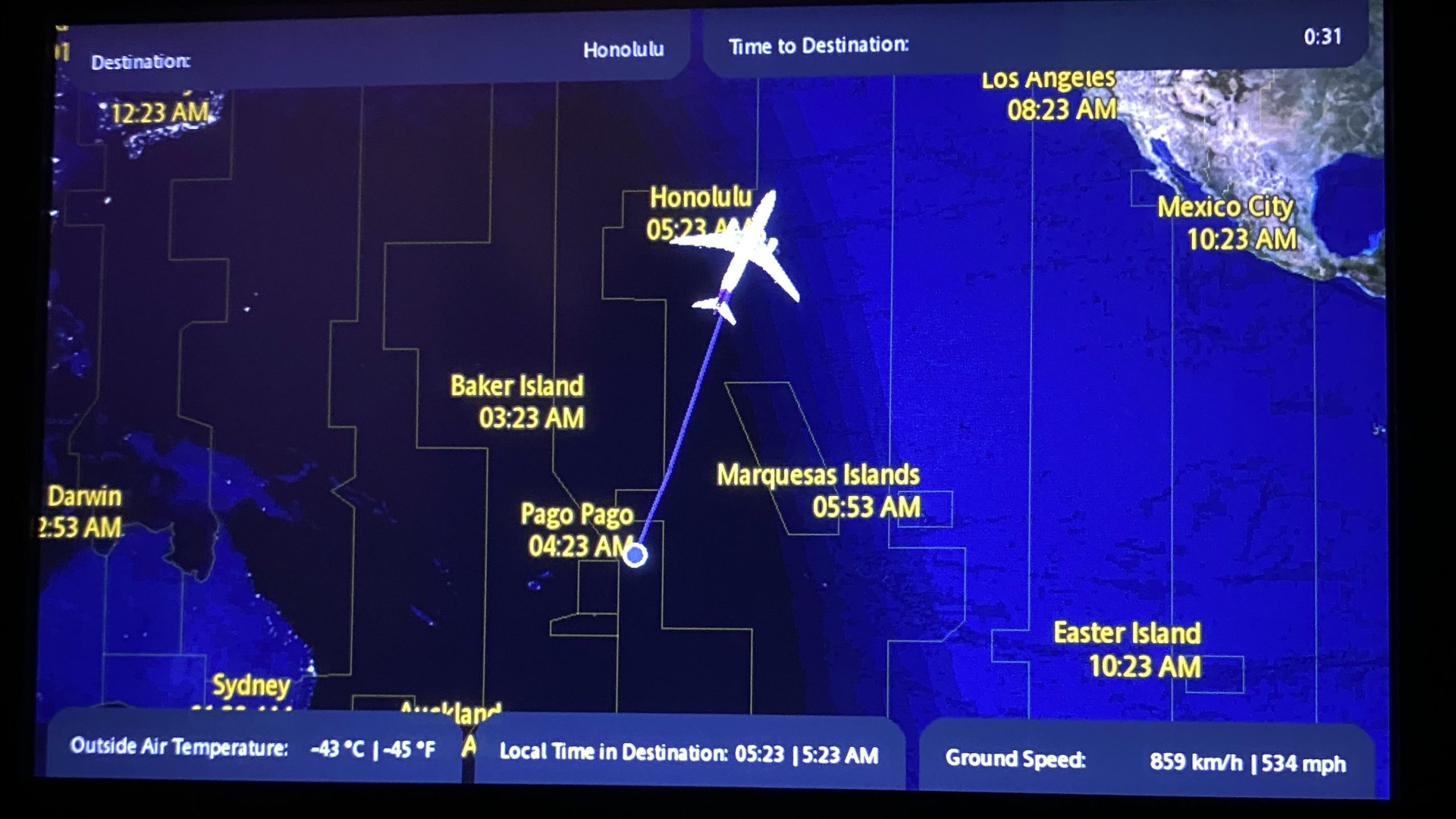
When Elzira Noga, a University of Southern California junior from Samoa, packed her belongings and flew 5,000 miles over the Pacific Ocean to start a new life as a college student, she felt excited and comforted by knowing her parents would be by her side. However, within just a week after arriving in Los Angeles, the absence of her parents and larger communities began to set in.
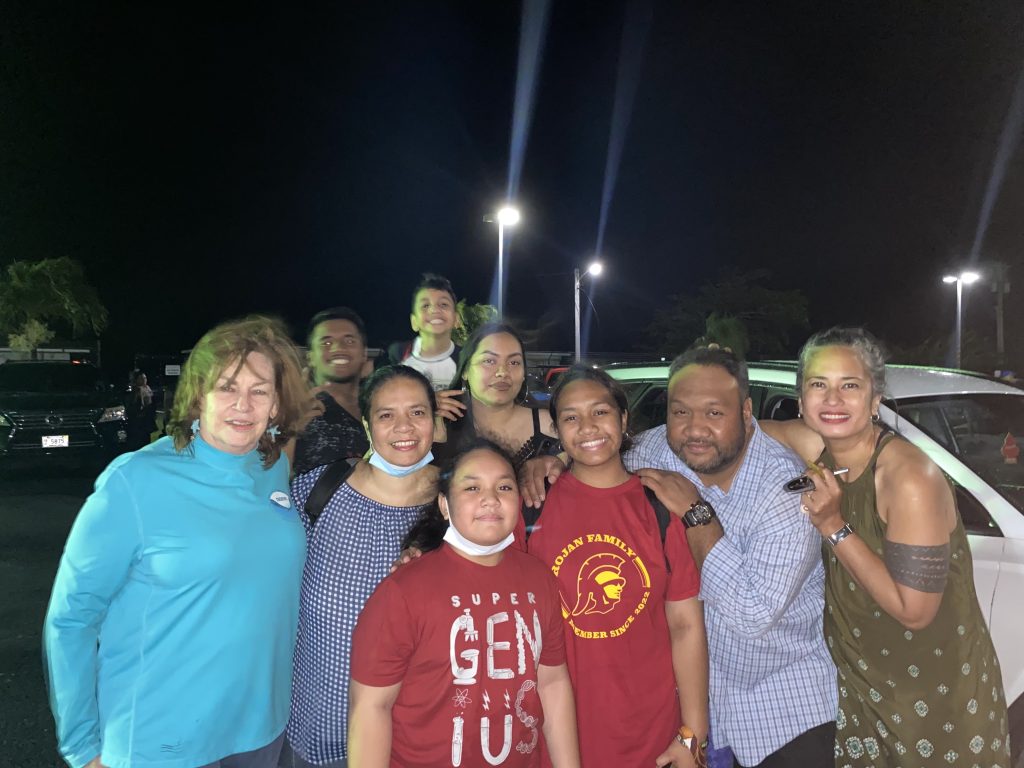
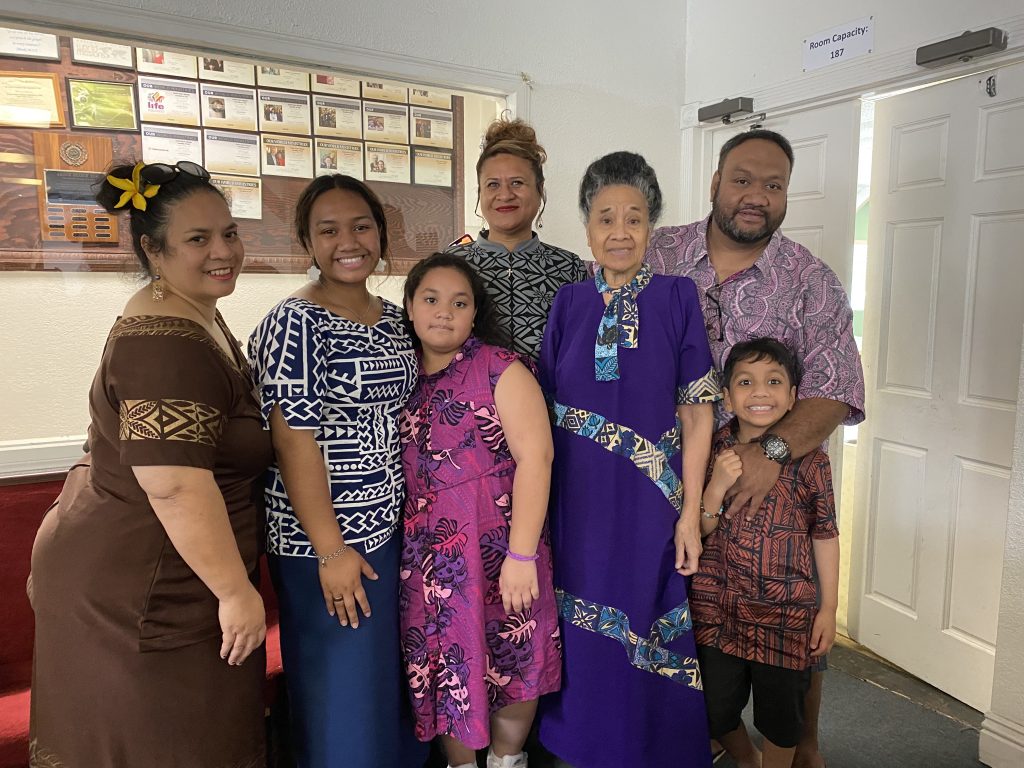
Back home in Samoa, she described a general mindset of everyone being community-based. She was never scared to go outside at any time of day or walk up and ask a stranger if she needed help — everyone looked out for each other.
Mosquitoes and stray dogs were the only things which really scared her.
“Coming to USC, it’s very individualistic, which was a really hard shift for me,” said Noga. “People don’t look out for each other here the way they look out for each other back at home. It wasn’t something I was used to.”
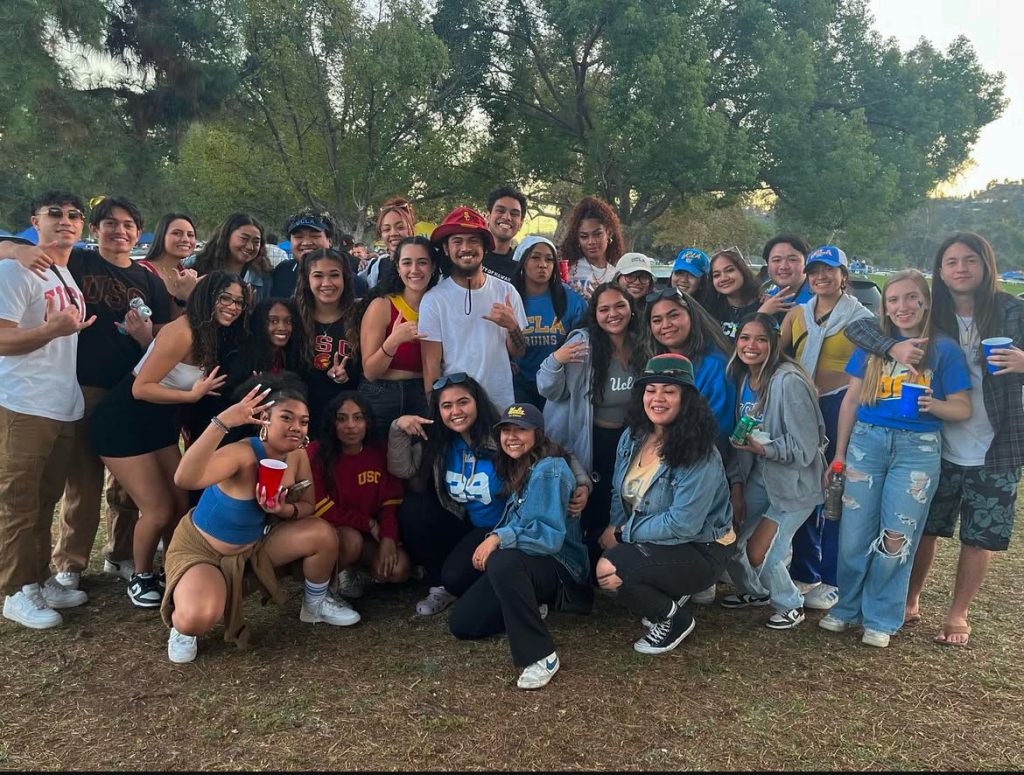
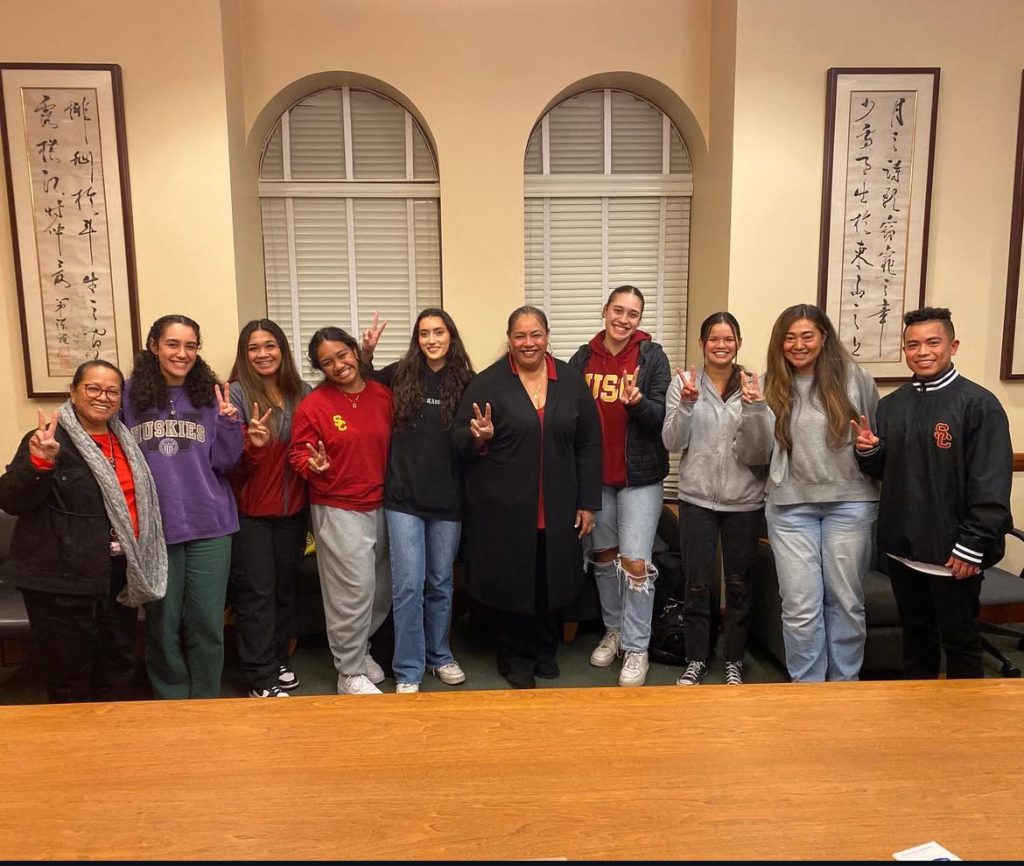
“The Pacific Islander Student Association has been a great way for me to stay connected with being Polynesian,” said Noga.
Learn more about USC PISA.
According to it’s constitution, “The Pacific Islander Student Association purpose is to cultivate, support and empower the Pacific Islander and Oceania community in higher education. The organization serves to provide a safe haven for our students of Polynesian, Micronesian, and Melanesian descent. As students in higher-education they aim to serve as positive roles models to our cultural ancestry through educational goals and aspirations.” Their goal is to help build cultural awareness and individual “Nesian” identity within society.
The experience of navigating identity and connection away from the islands can look very different, depending on where and how someone was raised.
Bryson Nihipali, a Native Hawaiian who is a visual artist with passion for photography and filmmaking, grew up around Long Beach where there were a lot of Pacific Islanders. “It wasn’t an issue of seeing myself or seeing representation around me, I kind of always knew who I was,” said Nihipali.
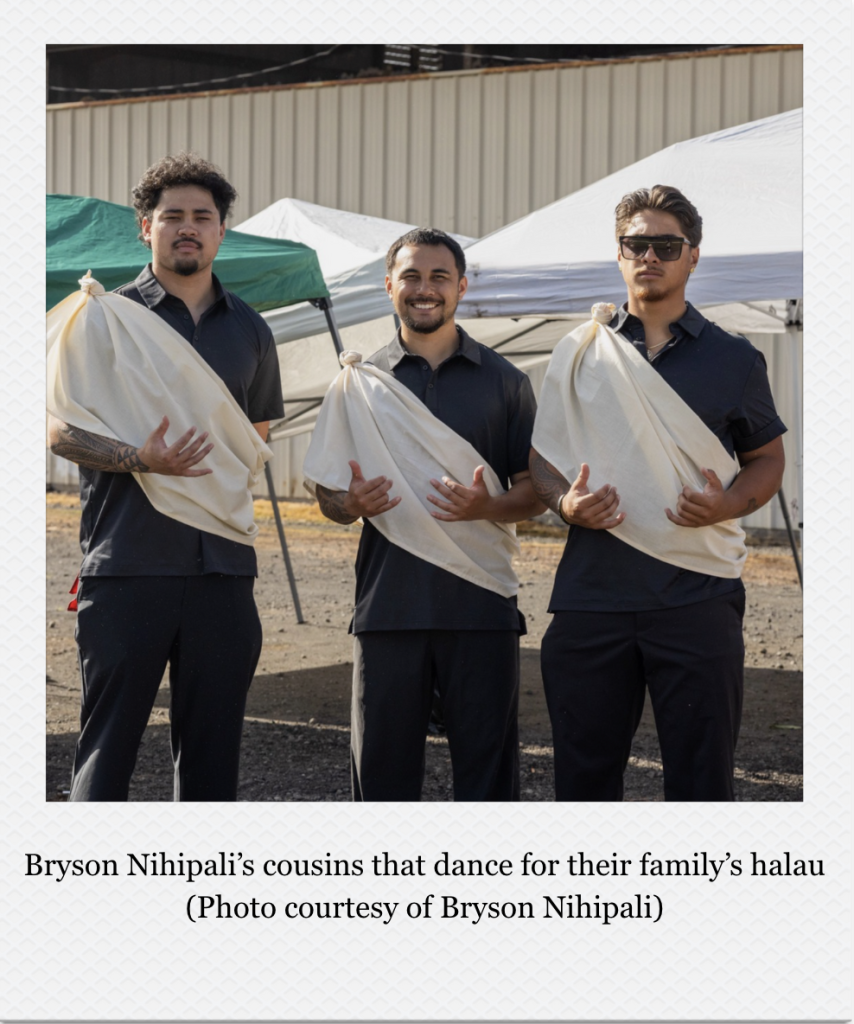
Bryson’s family started the first Hula Hālau, a school dedicated to teaching traditional Hawaiian hula, in Los Angeles, where they often gathered for family events. “I felt so lucky because a lot of Hawaiians on the continent aren’t surrounded with their culture, art, and language,” he said.
Although Nihipali never learned how to speak Ōlelo Hawai’i or grew up going to Hawai’i, he knew it didn’t matter as much as everyone believes it does.
“I try to make a new identity because there isn’t a right way to be Hawaiian or to be Pacific Islander,” said Nihipali. “Most Hawaiians live off the island so essentially our lived experiences are reflective of what it means to be away from our land and we are creating that culture.”
He also advises other Native Hawaiians who are feeling lost to not write themselves off if they don’t know how to speak the language or dance hula. “It’s more of knowing who your family is and who you’re descended from, that’s where you find real connection,” he said.
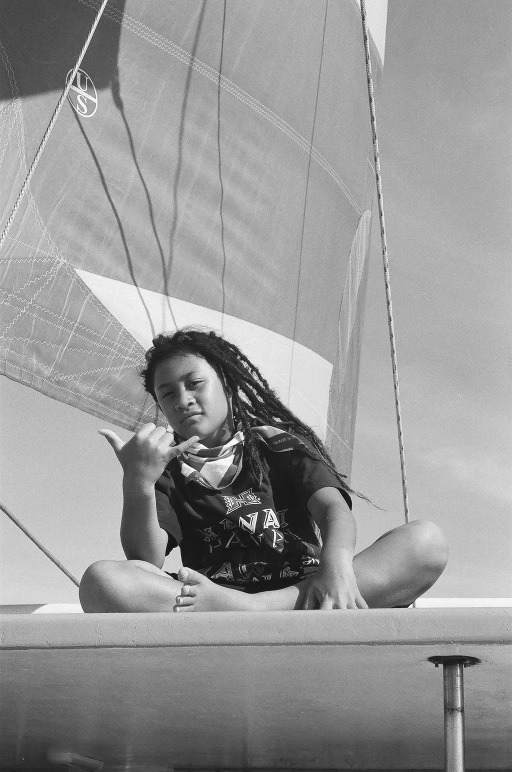
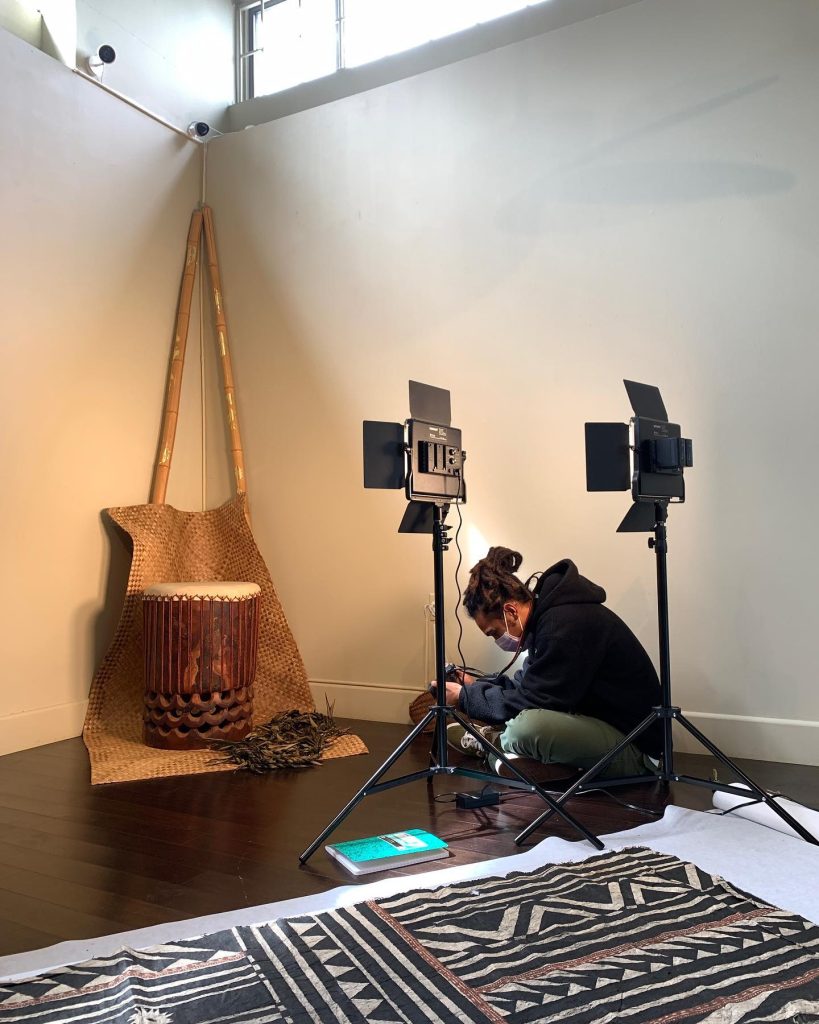

Nihipali got into photography for various reasons, but especially because he didn’t really know how to express himself. “In some ways it goes back to not knowing my language because Hawaiians have an interesting way of expressing emotions that isn’t possible in the English language,” said Nihipali.
He felt that if he could express himself visually, it could make up for a lack of knowing how to express himself with words.
Nihipali’s goal is to make films where Pacific Islanders are just normal people. “Films where Pacific Islanders are lead characters in our own story set on the continent,” said Nihipali. “All the work I’ve done has been about my family because our families are the main thing for us.”
His latest documentary, “KE ALA,” features interviews with his family living both in Hawaii and California. Throughout the film, he combines these interviews with old photos to piece together his family history and how his relatives still keep in touch with not only each other, but with their culture as a whole.
“It’s something reflecting that experience of having your family be your first community and the issues that come with that, but also the joy that comes with it as well,” said Nihipali.
Chapter Three
It’s not just me, it’s we
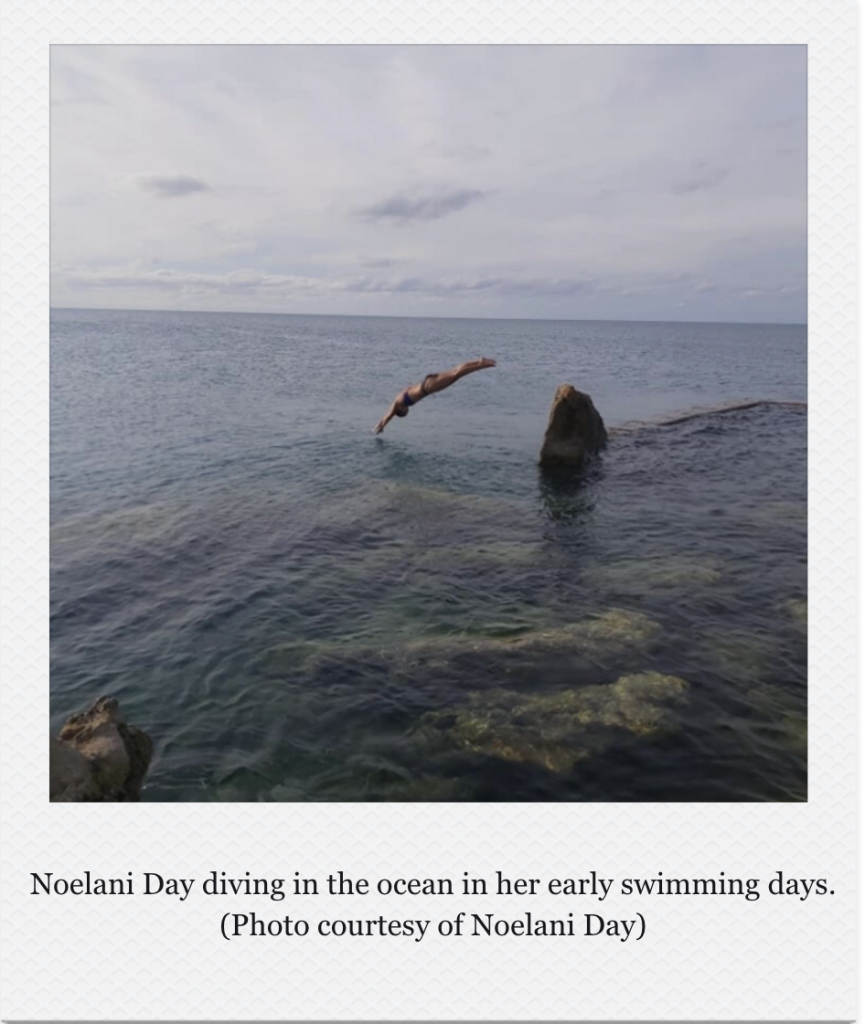
Ever since she was seven years old, Noelani Day was in the water. The first Olympic swimmer born and raised in Tonga, she didn’t do it by herself.
Whether it was in her backyard of Tongan waters or an Olympic size swimming pool, she was born to swim. However, back in her home, sports wasn’t really an option, especially for girls.
“When I was growing up I was told don’t waste your time focusing on sports,” said Day. “Especially if you were a girl and good at school, that is your only way out.”
This was especially difficult for Day because in Tongan culture, one of their core values is “Faka’apa’apa atu,” which means be respectful, but noting that to be respectful you don’t ask questions, and you’re not outspoken.
However, she still pursued her Olympic dream with a familial sense of duty. Day was so inspired and motivated by the other Pasifika females she met when she was training for the Tokyo Games. Her roommate was Samoan and a lot of the team were from Micronesia, Fiji, Tonga, and other islands who gave her this confidence and empowerment she will never forget.
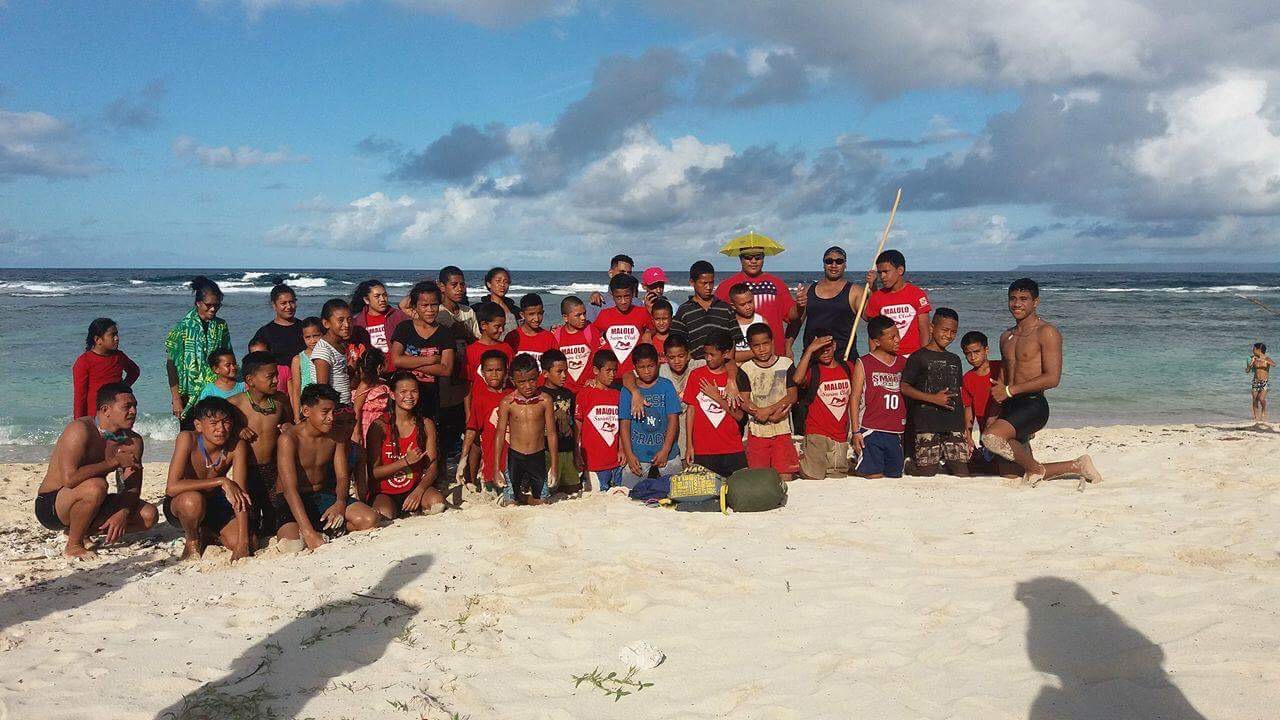
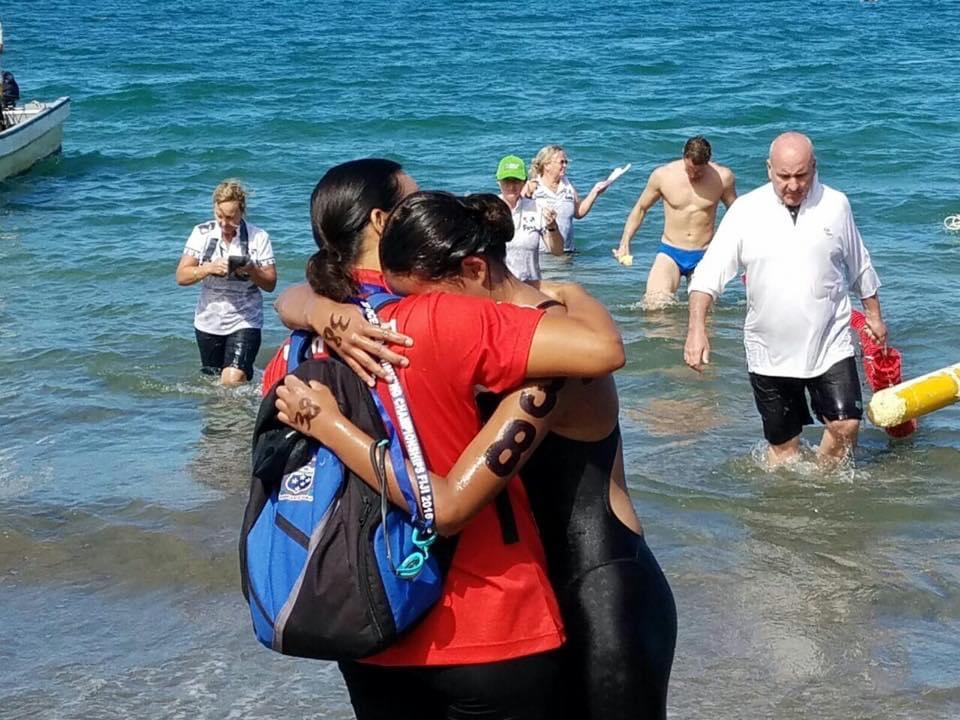
“When I made it, it was great for me, but it was also a team effort,” said Day. “It wasn’t just me swimming and standing behind the blocks, it was my mom, the local swimmers back home – it was everyone who had gotten me there.”
Outside the water, Day will be graduating with a bachelor’s degree in Human Biology from USC. She hopes to be a physical therapist to contribute to her community and is active in empowering young girls and women in Tonga.
Chapter Four
To be seen
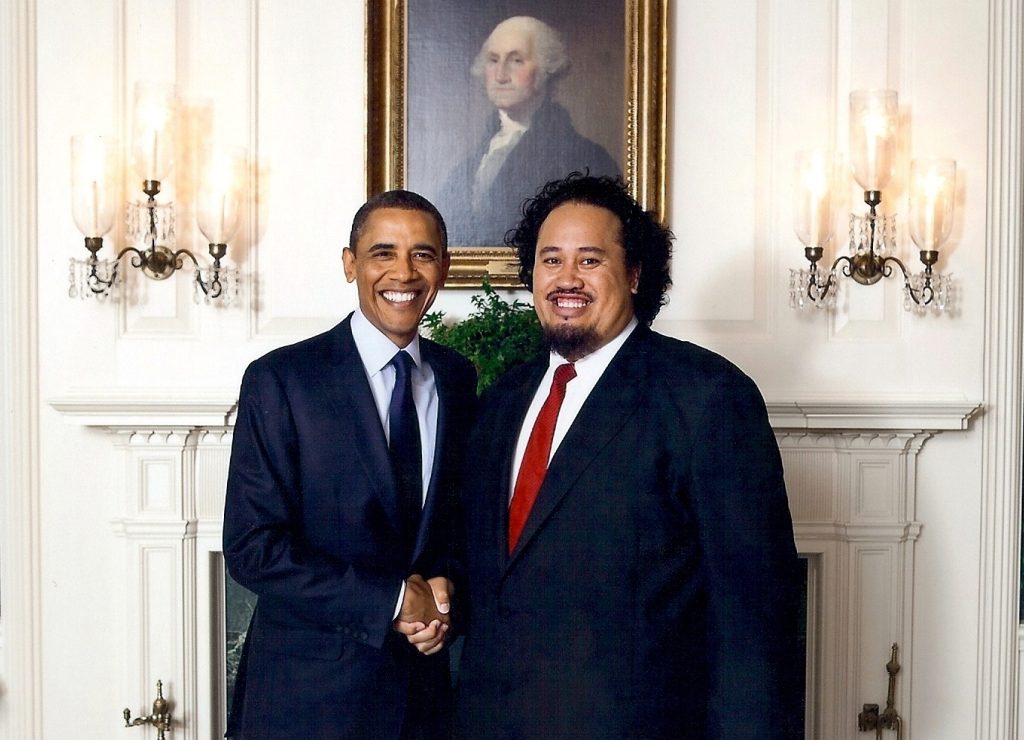
Sefa Aina, a longtime community organizer and activist, has spent decades educating others about this belief.
“O le ala i le pule o le tautua,” he said, referencing another Samoan proverb. It means the path through leadership is through service.
His parents grew up in Samoa where the U.S. Navy made an impact on the islands, so when he graduated high school, it seemed the path was pointing to the Navy or playing football. “My mom and dad saw that as sort of the pinnacle of U.S. society,” said Aina. “I tried to make them happy and it was horrible, it just wasn’t for me.”
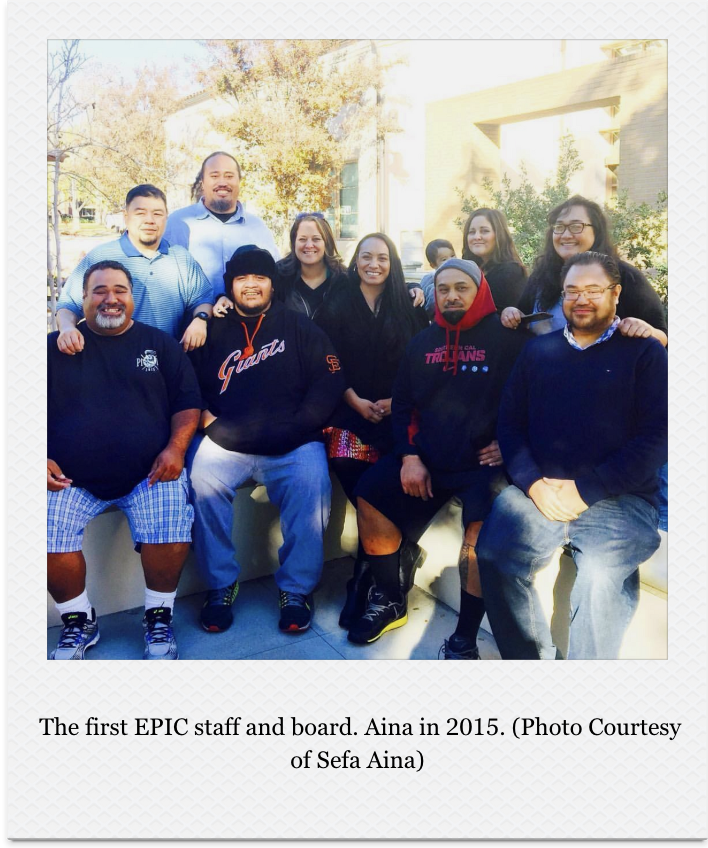
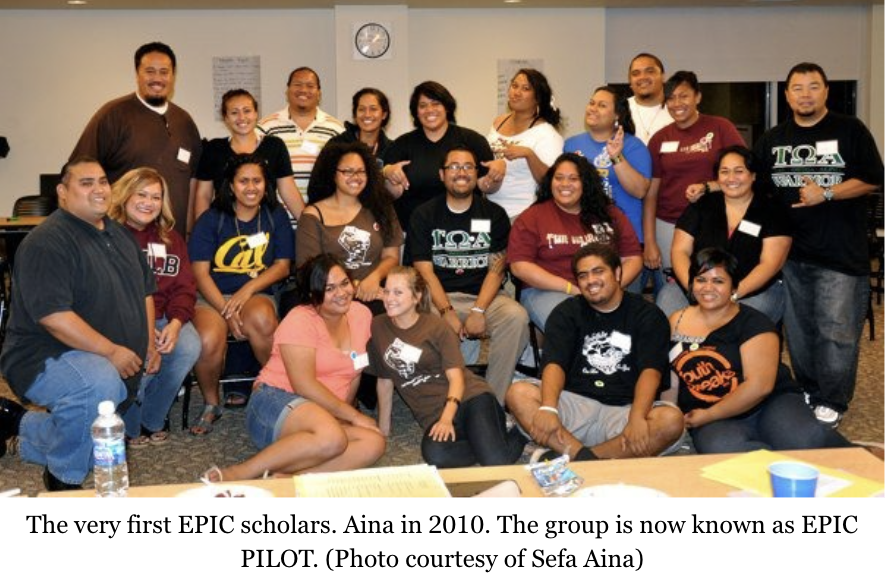
Aina then went on to attend UCLA, a pivotal moment. It was an interesting time in California’s history with various propositions many students on campus advocated against.
At first, Aina was just looking for other Pacific Islander students to hang out with in this big school, however with these other Pacific Islander students, he found purpose.
One of the things the Pacific Islander club did was high school outreach where they would bring high school students from Carson, Long Beach, and Inglewood to campus. He didn’t realize it then, but the kids changed his perspective on everything.
“They didn’t question whether I was smart enough to be at UCLA, they just looked at me and accepted I was that kid,” said Aina.
That’s as opposed to his peers, who he felt looked at him as if he didn’t belong there or he was an Affirmative Action student.
“It was different because I realized this is who I do it for,” said Aina.
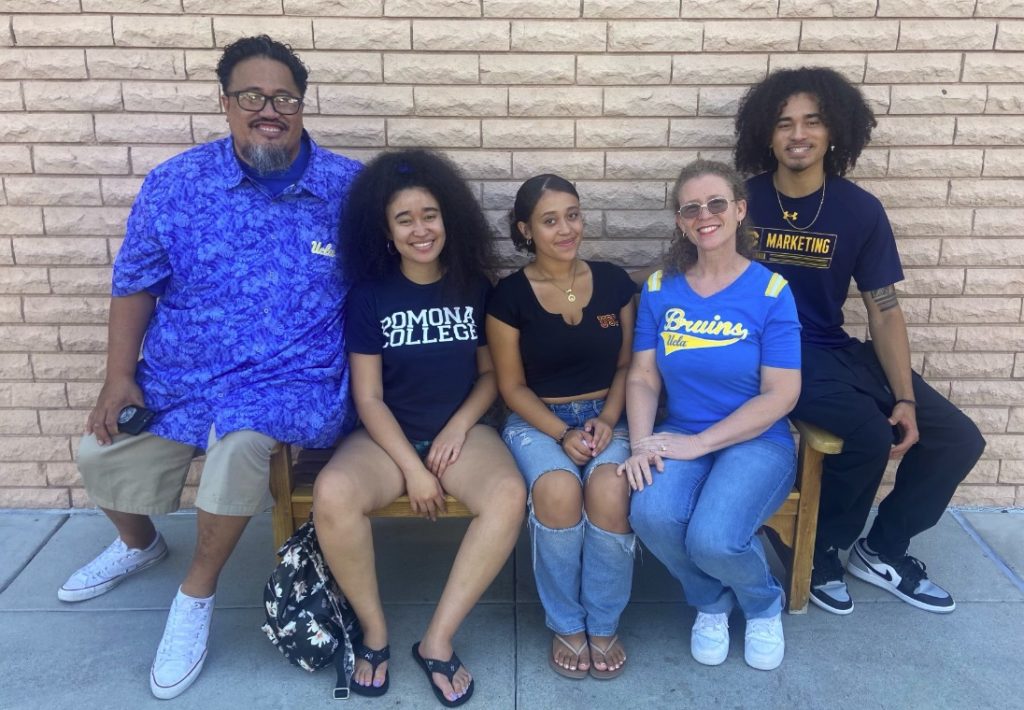
O le ala i le pule o le tautua.
The sense of belonging, of being seen by your people, is the core of everything Aina has worked toward. From fighting for ethnic studies to pushing for disaggregated data collection reflecting true Pasifika experiences, his work is rooted in empowerment and visibility. “We can have stories for days,” he said. “But if we don’t have the numbers, no one listens.”
When COVID-19 hit, Pacific Islanders were disproportionately impacted and many community members began to speak out. “It was a beautiful thing, but also alarming because it showed people just how invisible we actually were,” said Aina.
Aina sees the systematic erasure of Pacific Islanders as not just a cultural issue, but a policy one which impacts health, education, incarceration and more. “I still push for data, for research, for the narrative, programs, and all these things because I want to remove every excuse in the world for people not to help us,” said Aina. “I want to empower my people.”
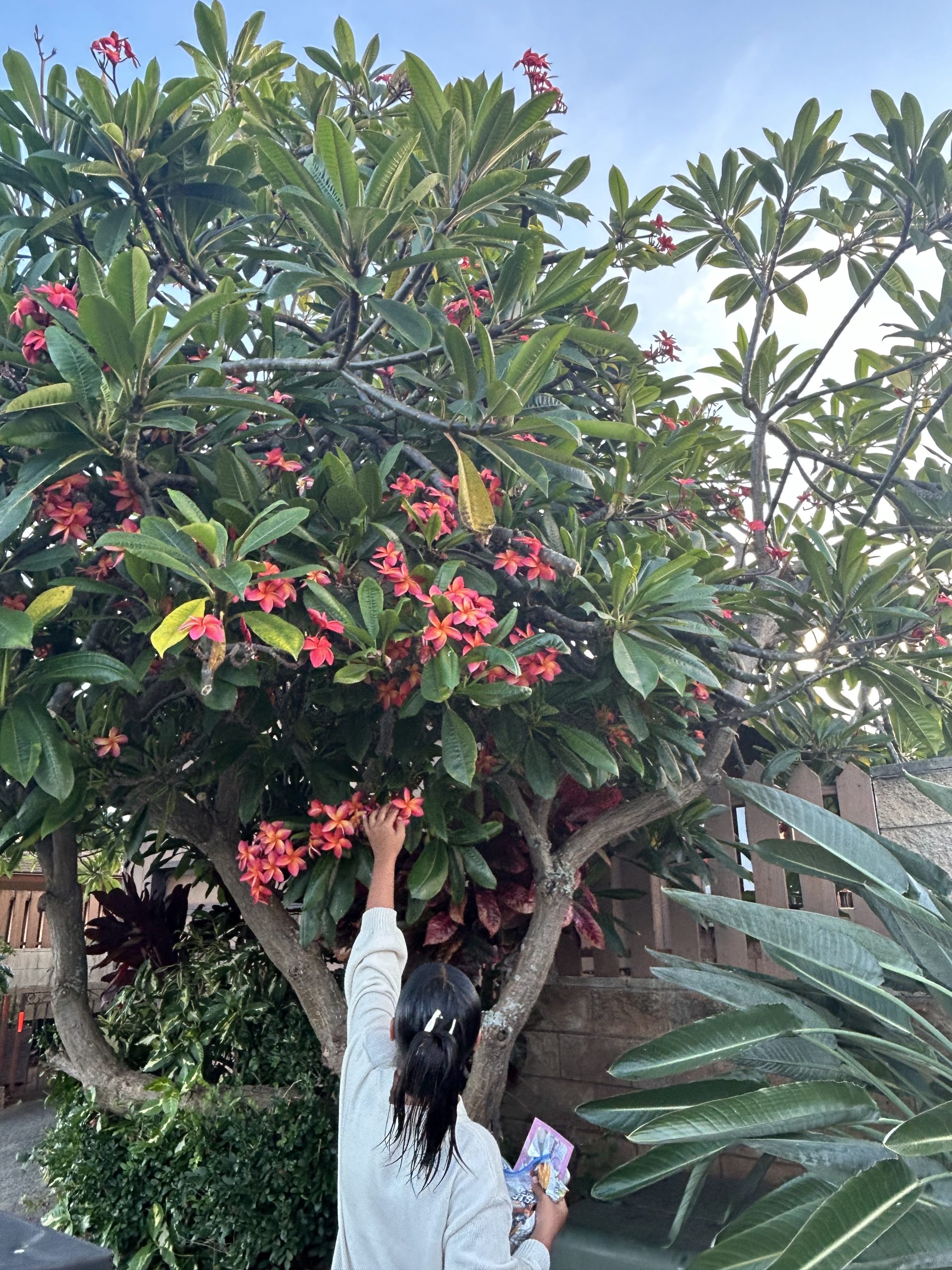
He left me with this question, “What kind of tree are you going to be?”
Chapter Five
What kind of tree are you going to be?
I debated starting this piece with the Samoan proverb because it comes from just one of the thousands of island cultures.
However, after my Zoom conversation with Aina in February, I sat there letting the weight of his words settle. Behind him, photos of his family were framed on a brown wooden shelf – reminders of the generations he speaks for and carries with him. I thought about the photo Noelani Day showed me of her mom coaching her in the water, and of Bryson Nihipali smiling with his family at Hula Halau.
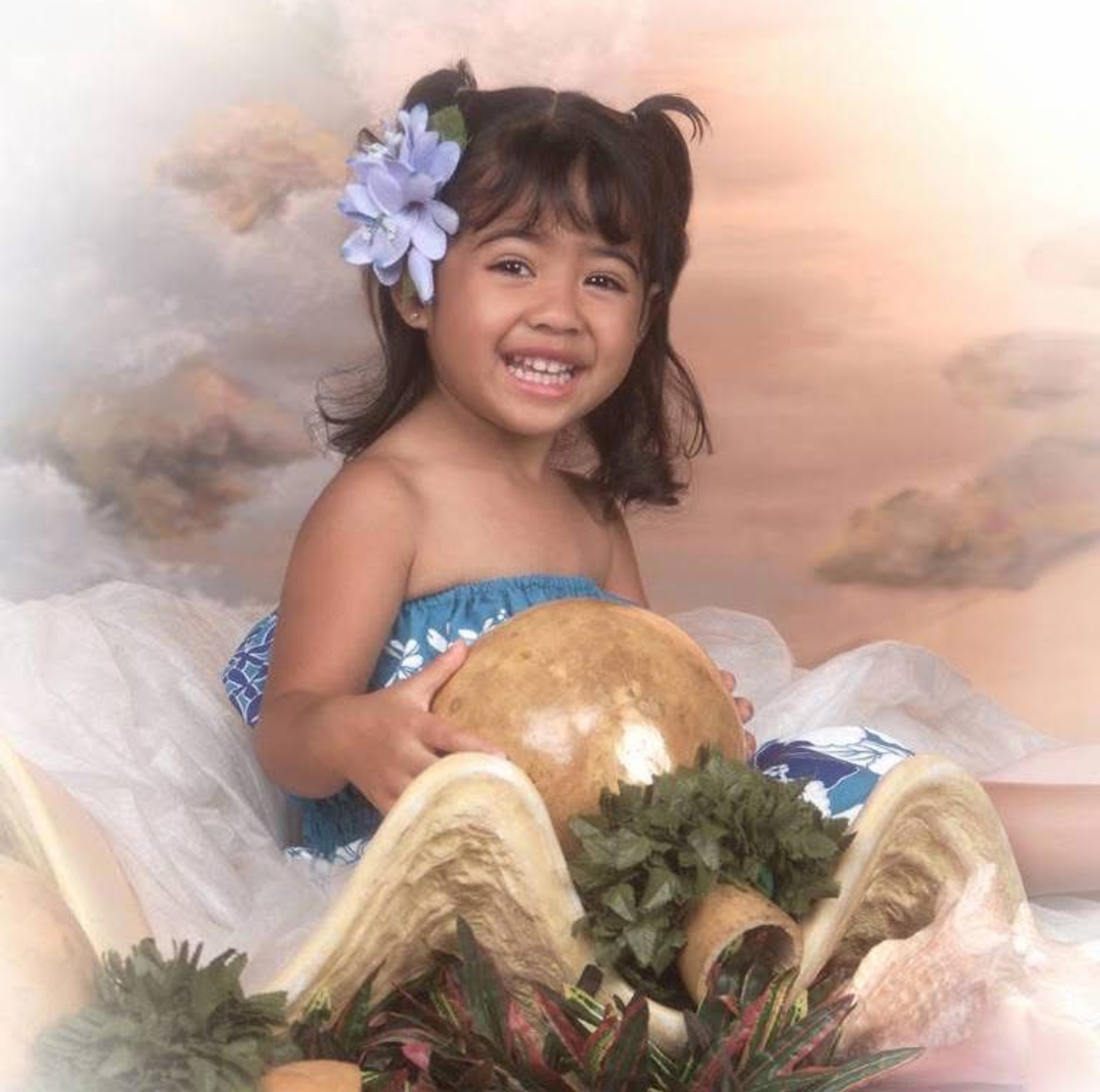
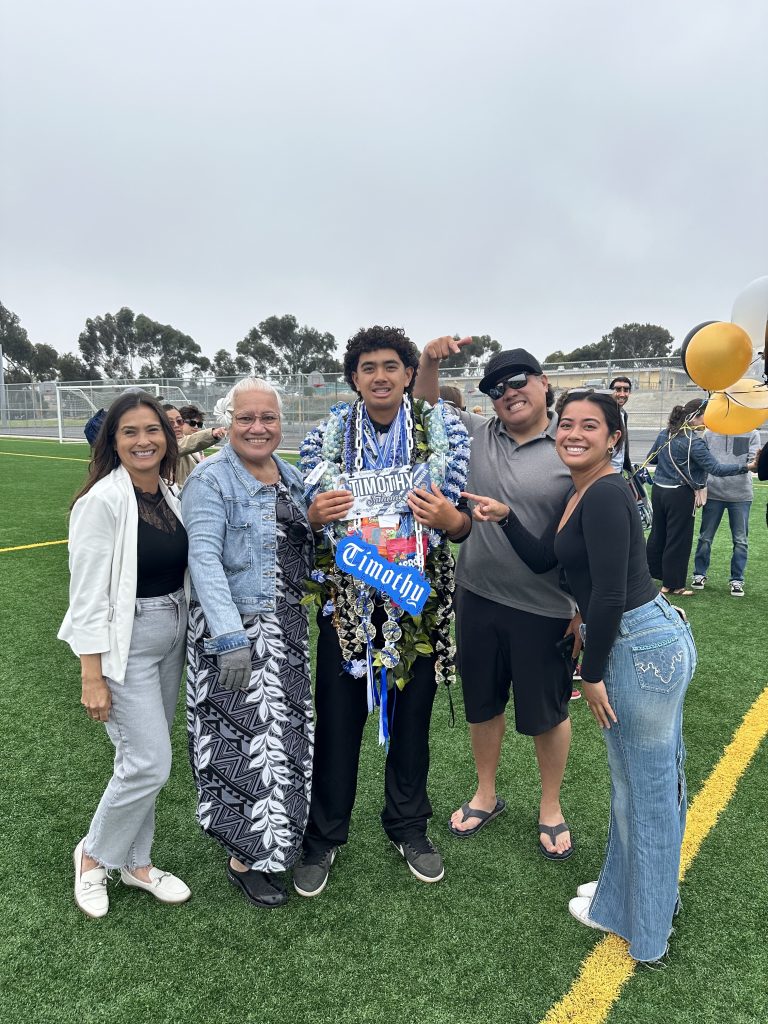
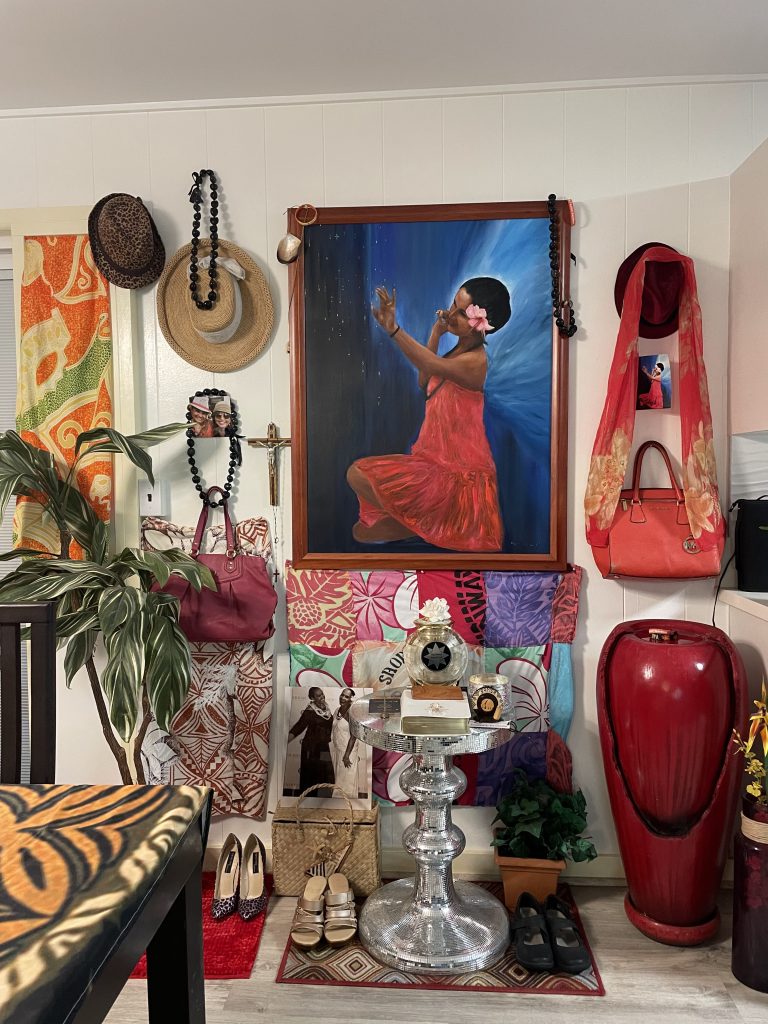
I glanced at my own desk, where photos of my parents, siblings, cousins, and grandparents stared back at me. And in this quiet moment, I understood.
There’s no right way to be a Pacific Islander. Being Pacific Islander can have a lot of meanings to different people, but the thread of it all is to grow roots deep into your community. To provide shade and strength for those around you, just as your ancestors did for you.
Na matou tūtū la’au ma nei.
As Aina said, “That’s the thing about being who we are, it’s not about you, it’s about us, our community.”