Experiences of undocumented kitchen workers and the employers who stand beside them.
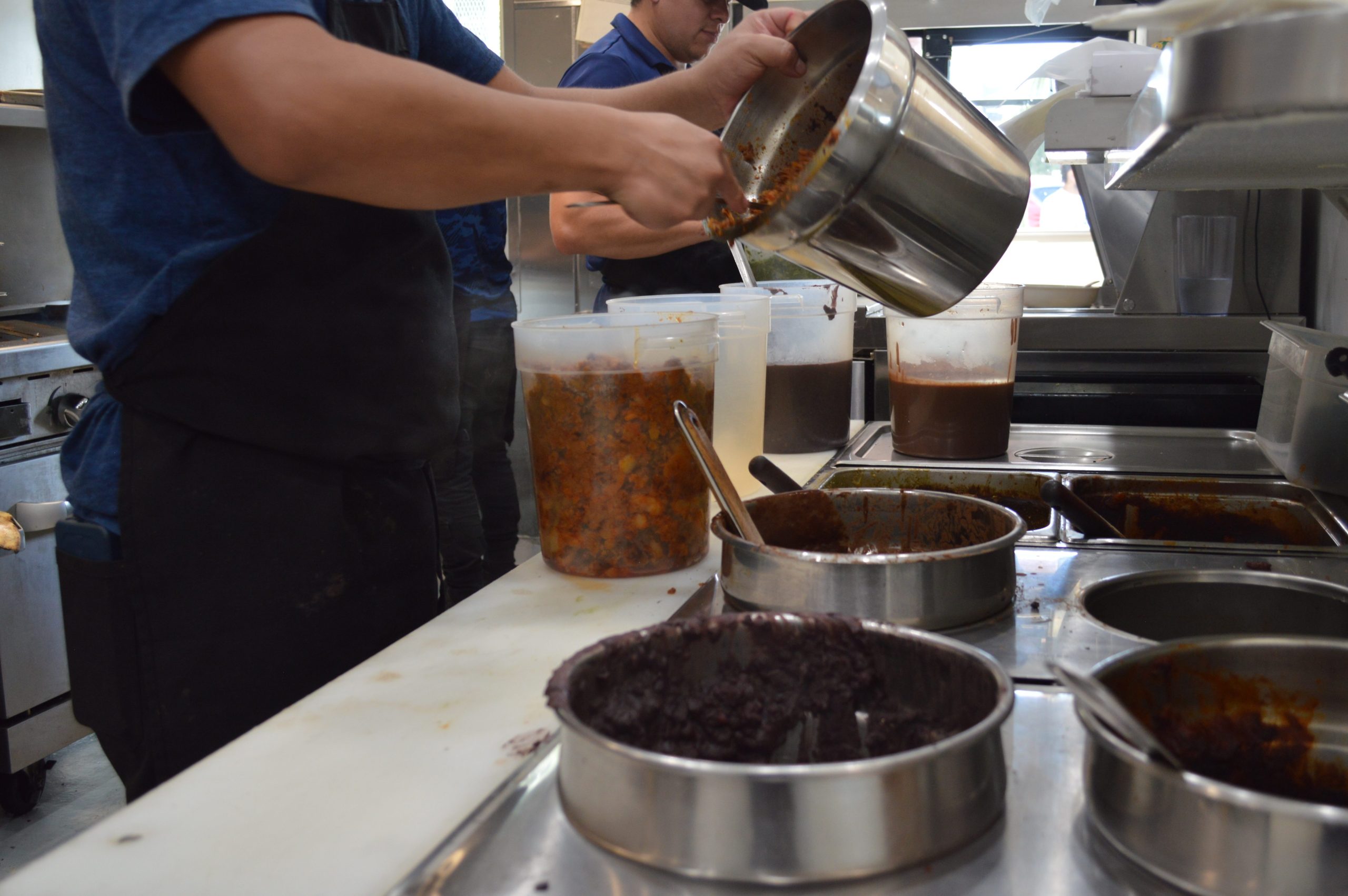
Arturo wakes up at 5 a.m. every morning to prepare for his shift at a small family-owned restaurant in downtown Los Angeles. After over a decade of working as a line cook, he finally saved enough to open his own establishment. But lately, fear and uncertainty have started to sour the daily rhythm of his kitchen. Rumors of immigration raids circulate among staff, and several cooks have stopped showing up to work altogether.
For Arturo and thousands of undocumented restaurant workers, the risk of deportation is more than a legal concern, a daily burden. It’s the pressure behind every paycheck, the silence behind every overworked shift, and the invisible weight they carry while feeding a nation that often fails to see them.
A Workforce America Relies On But Rarely Acknowledges
Immigrants have long been the backbone of the U.S. restaurant industry. According to the National Restaurant Association, 21 percent of restaurant workers are immigrants, and a significant share of those workers are undocumented. Some estimates suggest nearly one million undocumented individuals are employed in restaurants across the country.
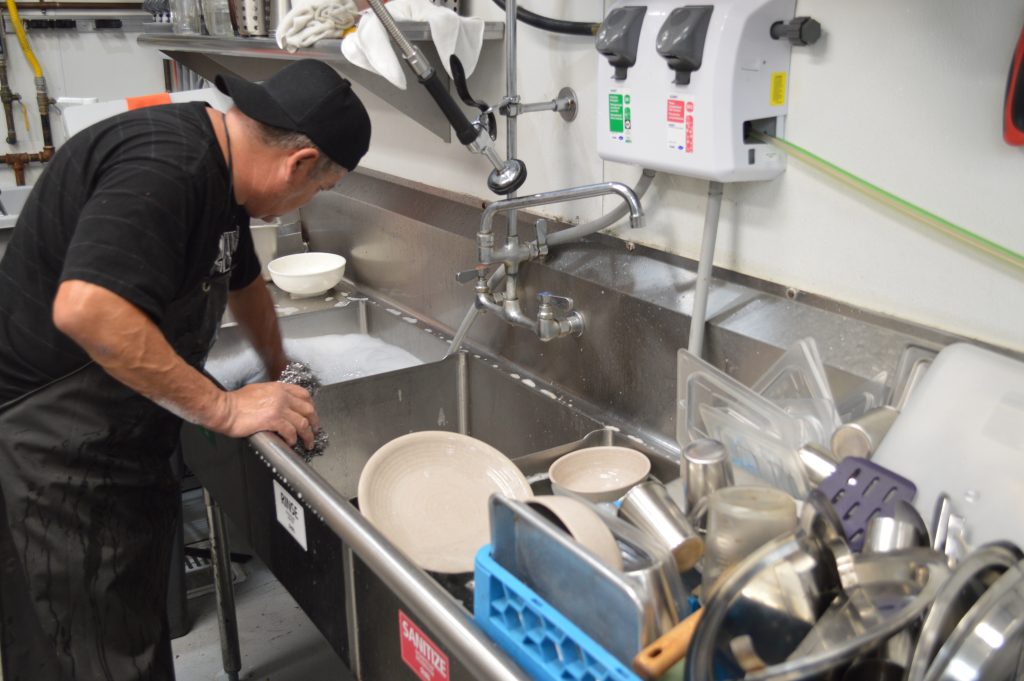
These workers typically hold back-of-house positions: line cooks, dishwashers, prep workers, and bussers. These roles that demand long hours and physical stamina for low wages and few protections.
“The restaurant industry depends on immigrant labor in ways that policymakers don’t always acknowledge,” says Dr. Angelo Amador, an immigration policy expert. “When enforcement ramps up, it doesn’t just hurt workers, it disrupts the very businesses they help build.”
Legal and labor experts warn that current immigration crackdowns, especially under the Trump administration’s return to power, are producing unintended and harmful consequences: labor shortages, wage theft, and an undercurrent of fear that impacts everyone, from the workers to the customers they serve.
“We Are Not Afraid”: Picaresca Café and the Power of Place
Tucked in Boyle Heights, a neighborhood known for its rich immigrant history and working-class roots, Picaresca Café stands as more than a coffee shop. It’s a beacon of resistance, resilience, and radical community.
Founded during the height of the pandemic by partners Elisa and Leo, Picaresca was built with little savings but a deep love for community and culture. What started as a pop-up selling roasted coffee at local farmers markets has grown into a full café and kitchen that are run largely by undocumented workers.
“We weren’t visible at first,” Elisa said. “But the community found us. They embraced us.”
Their story is a testament to grassroots entrepreneurship. Elisa and Leo saved their stimulus checks and unemployment funds, roasted beans by hand, and collaborated with small chefs to host pop-ups. When they moved into a larger location in 2023, they hired a team of back-of-house staff who many of whom, like Juan, are undocumented immigrants from Latin America.
“These workers are the hardest working people I’ve ever met,” Elisa shared. “They clean grease traps, prep everything from scratch, and come in even when they’re exhausted from working two jobs.”
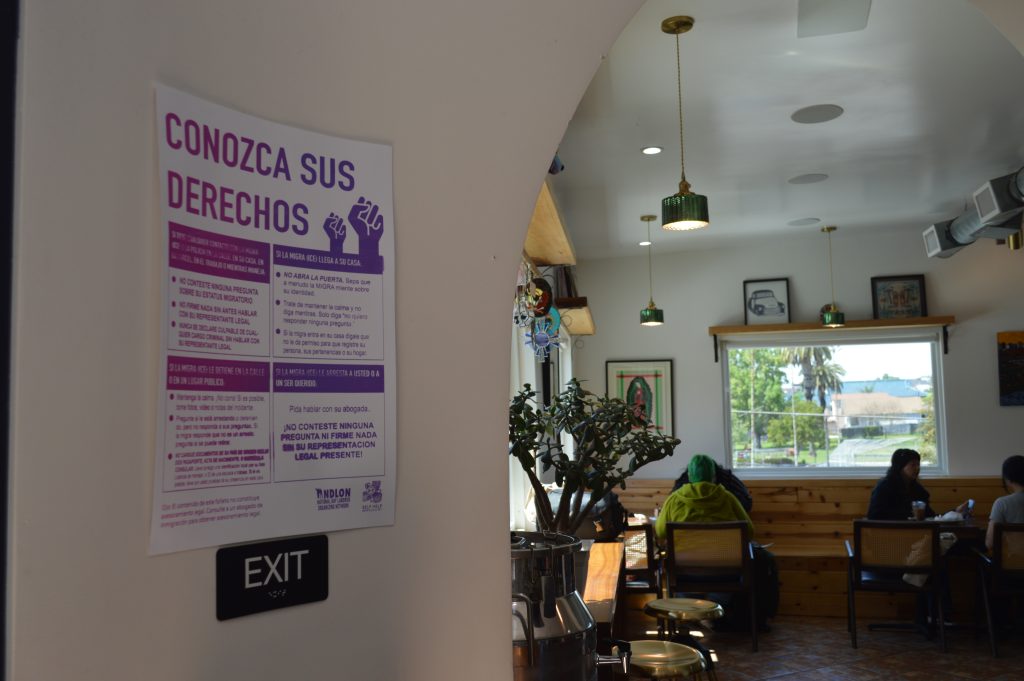
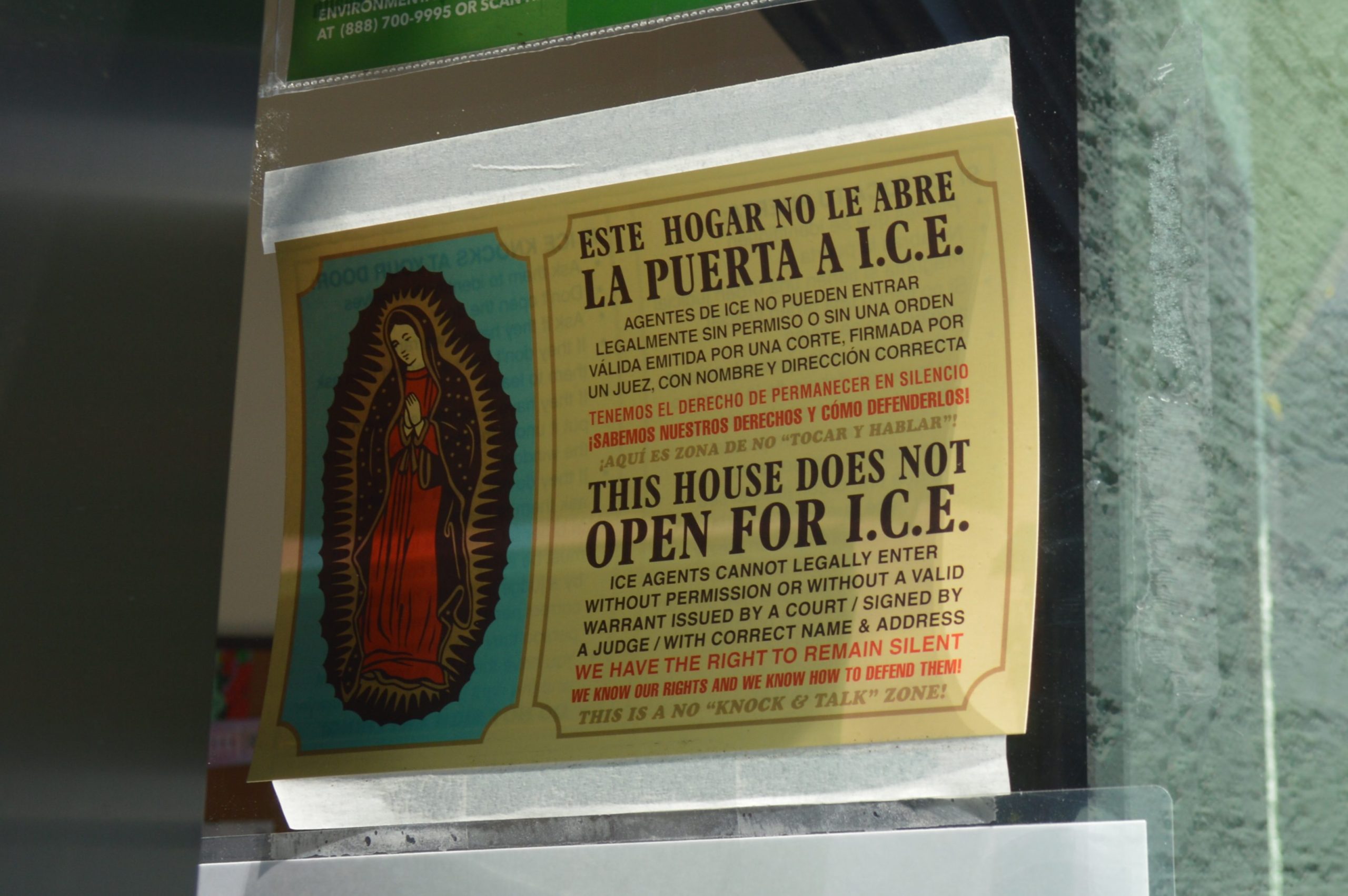
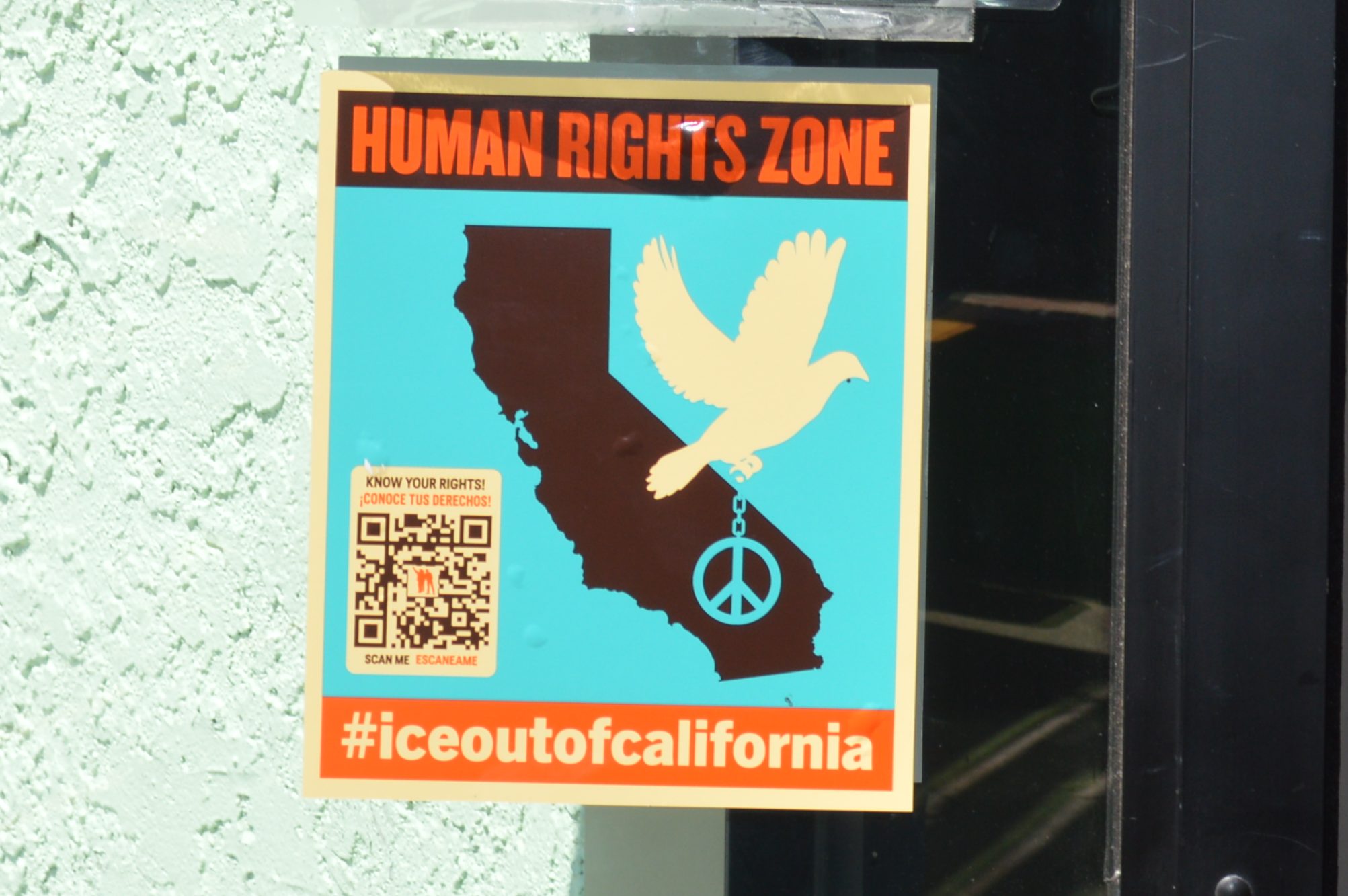
Elisa and Leo don’t just provide employment. They’ve hosted Know Your Rights workshops, hung posters in the kitchen and front of house, and spoken openly with staff about their rights and protections should ICE ever enter.
“Still, we’ve lost workers. People are scared,” Elisa admitted. “But the community keeps us going. Activists bring flyers, artists donate posters, customers remind us we’re not alone.”
Juan’s Journey: “If We Focus on the Sadness, We Won’t Keep Going”
Juan C., 24, arrived in Los Angeles from Puebla, Mexico in early 2023, chasing the American Dream, a dream that felt distant when he spent four months knocking on kitchen doors for under-the-table work. His only previous job was in a denim factory back home, sewing jeans.
“I didn’t even know how to hold a pan,” he said. “I had to learn everything from scratch.”
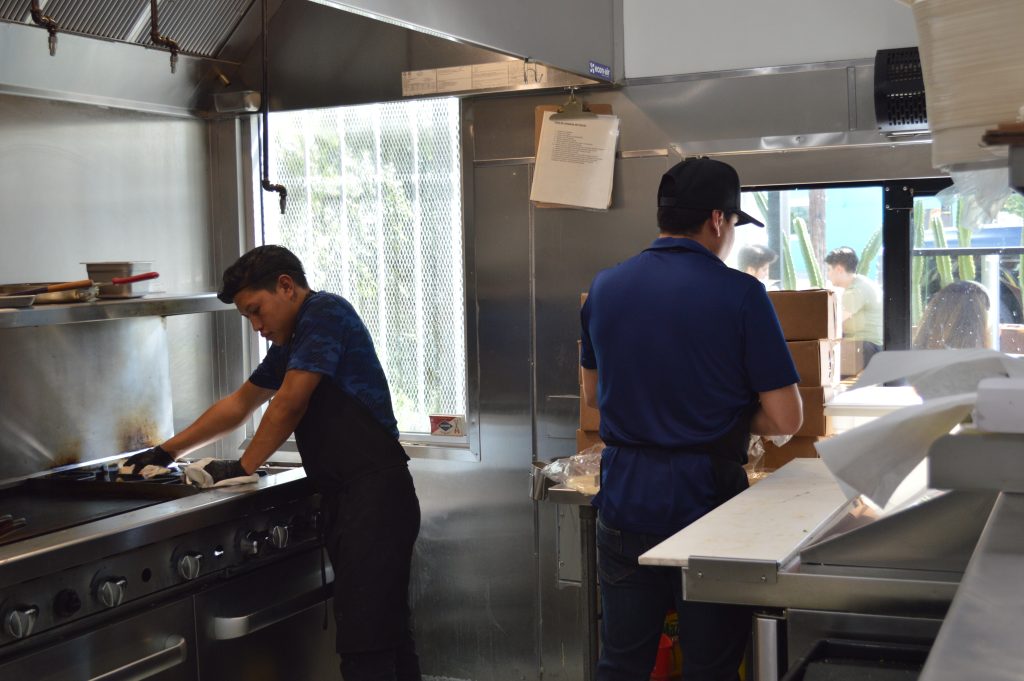
Now, Juan works mornings at Picaresca Café and nights at a seafood restaurant clocking in at 7 a.m. and sometimes finishing as late as 2 a.m. In just over a year, he saved $24,000 to pay back the coyote who helped him cross the border, often working seven days a week to do so.
His journey wasn’t without pain. He recalls spraining his leg while crossing the desert. His family begged him to turn back. “But I had already made the decision. I had to try,” he said. Juan misses his mother, his grandmother who raised him, and his nieces whom he calls his “own daughters.”
“My mom sometimes cries on the phone,” he said. “I tell her everything’s okay, even when it’s not. If we focus on the sadness, we won’t be able to keep going. So we keep going (échale ganas).”
He says he feels lucky to be at Picaresca. The team educated him and others about their rights and made him feel protected. “It feels good to be around others who understand you,” he said. “We’re not treated like we’re less than.”
“We sacrifice because we know what it took to get here,” he said. “That’s why we work so hard.”
Victor Narro: “When Enforcement Goes Up, Exploitation Goes Up”
Victor Narro has spent the past 40 years fighting for workers like Juan. As Project Director at the UCLA Labor Center, Narro has researched and exposed systemic abuses in the restaurant industry, including widespread wage theft, break violations, and retaliation against workers who speak up.
“There’s major wage theft in small and mid-sized restaurants, especially those run by and employing immigrants,” Narro explained.
“Workers are told to clock out and keep cleaning. Tips are stolen. Breaks are skipped. And when someone complains? They get fired.”
He warned that under Trump’s 2024 administration, ICE’s workplace authority is expanding and restaurants are a clear target. “They’re public-facing,” he said. “ICE can walk in the front door. Many owners don’t know they can legally stop them from entering the back of house without a warrant.”
This climate of fear discourages workers from reporting abuse.
“When immigration enforcement goes up, exploitation goes up,” Narro said. “Employers know they have leverage. They know undocumented workers are scared.”
And while California has better protections than other states, Narro says retaliation remains a major problem.
“You file a wage claim, and it takes two to three years to resolve. Workers don’t have that kind of time. So they leave.”
He encourages collective action filing complaints together, joining worker centers, and refusing to suffer in silence.
“You’re safer when you stand together.”
From Despair to Resistance
Despite the fear, Narro sees glimmers of hope especially in communities like Boyle Heights.
“When Homeland Security showed up in LA recently, people poured into the streets,” he said. “They yelled. They filmed. They made ICE so uncomfortable, they haven’t been back since.”
He also credited young journalists and digital media for exposing stories mainstream outlets avoid.
“It’s students and freelancers who are doing the brave reporting,” he told me. “The big guys? They’re too scared to confront power. But we need that confrontation. That’s how you stop a bully.”
Advocacy
The Nonprofit, Sanctuary Restaurants
May Day with CHIRLA and Koreatown Immigrant Workers Alliance (KIWA)
Perspective
Wage theft
Threats
Working Conditions
Long Hours
A Future Worth Fighting For
For Elisa and her team, the dream doesn’t stop with survival. They hope to open a roastery, offer health insurance to their staff, and pay a livable wage.
“We’re growing, and our people should grow with us,” Elisa said. “They helped build this café. They deserve dignity.”
For Arturo, it is simply having the space for community. I’ve offered many of my employees a place to stay, provided them with extra food, and resources I know help my people.”
For Juan, the goal is to one day return to Puebla and start a business of his own, to build a home and take care of the grandmother who raised him.
“I didn’t get to study,” he said. “But I’m learning every day. I’m building something with my hands.”
And for advocates like Victor Narro, the message is clear: immigrants are essential, and it’s time the law and society recognized that.
“They are the backbone of the kitchen. Of the economy. Of our communities,” Narro said. “If we don’t fight for them, we all lose.”
Whether these efforts lead to policy change or simply create pockets of safety like Picaresca, one thing is certain: undocumented workers are not invisible. They are here. They are vital. And they are holding up the very tables we eat at every day.
[Docu-Video]

Leave a Reply