box office
films
Scroll right ᐅ

The average cost of production for a major studio film is $65 million — with tent-pole films costing several times that much — while another $35 million goes into marketing — advertising, promotions, public relations, and distribution costs, according to Gitnux Market Data Report 2024.
Amid declining cinema attendance, such investments require savvy marketing strategies in the real world and on social media.
The Breadcrumb Strategy
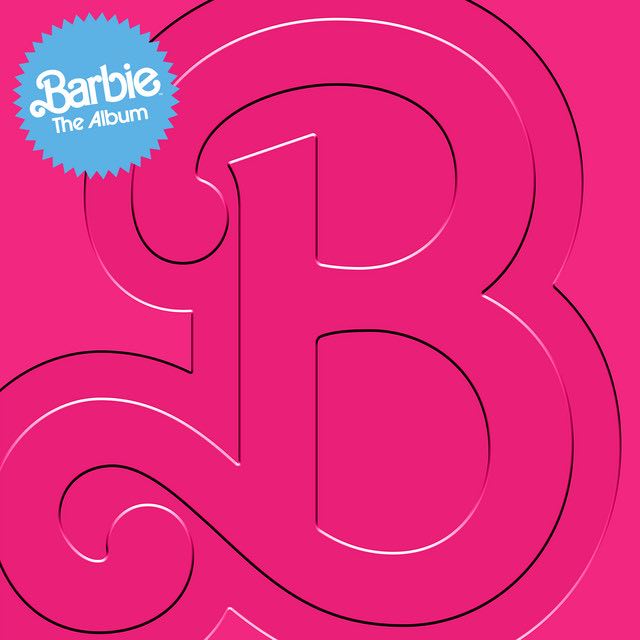
Pink was the most delectable breadcrumb of the “Barbie” franchise. Former digital marketing manager at Warner Bros. Elisa Flores, continued the breadcrumb trail by leveraging the pink identity into partnerships with Spotify, Candy Crush, and Pinterest.
How do partnerships, AKA breadcrumbs, drive audiences to the box office?
Spotify, a music streaming platform, added a pink play bar, with an exclusive Barbie Official Playlist and Spotify Canvas featuring scenes from the film.
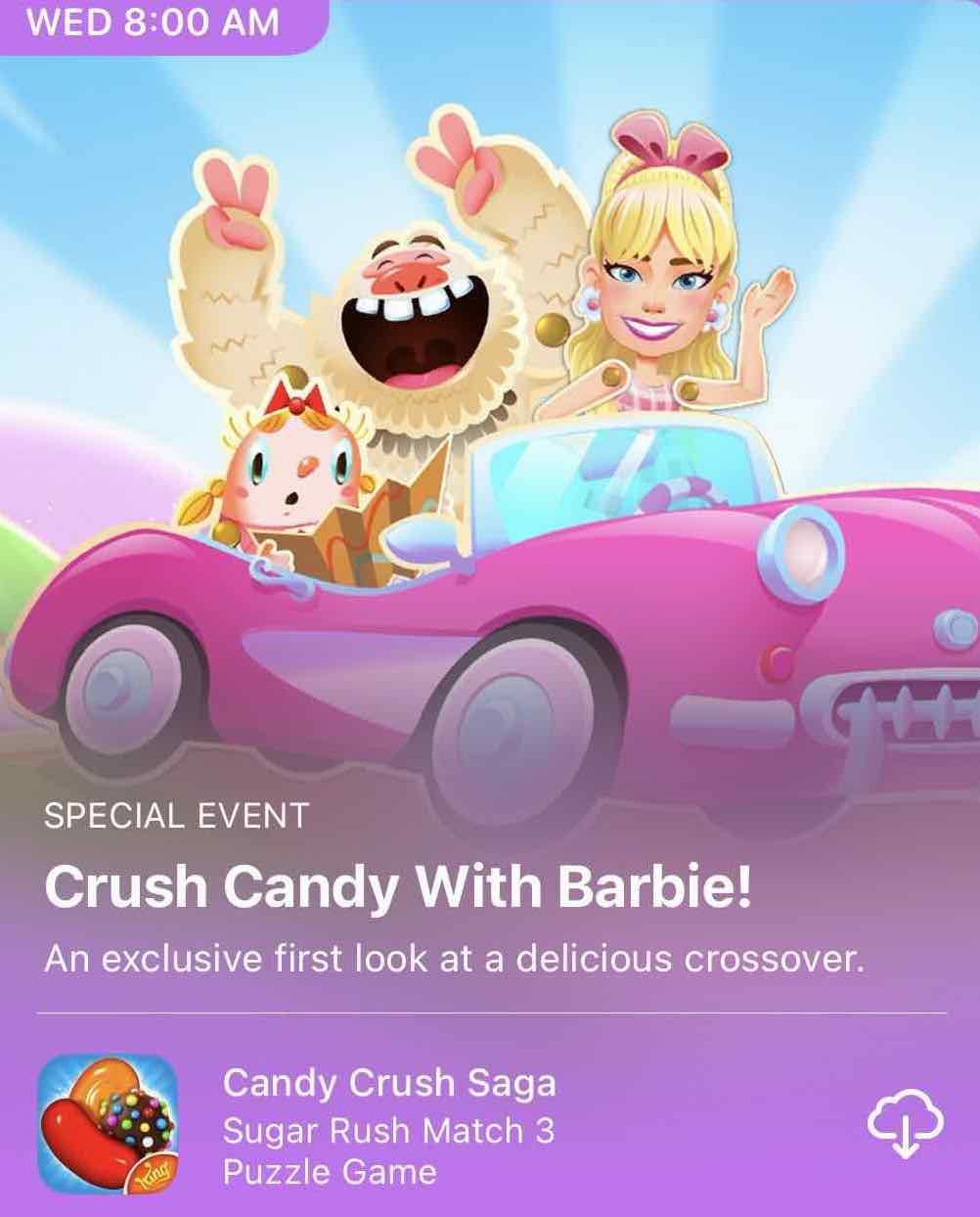
Candy Crush Saga, an addictive mobile video game, launched a limited-period “Barbie’s Journey to Candy Kingdom” version. It screened an exclusive featurette named “A Candy Exclusive: We Are Barbie,” starring filmmakers and talent talking about the film.
Pinterest, an image-sharing site, curated a board named “Not Just Ken” as an extension of its “It’s Possible” campaign. With Mattel, it launched an ad spotlighting Ken.
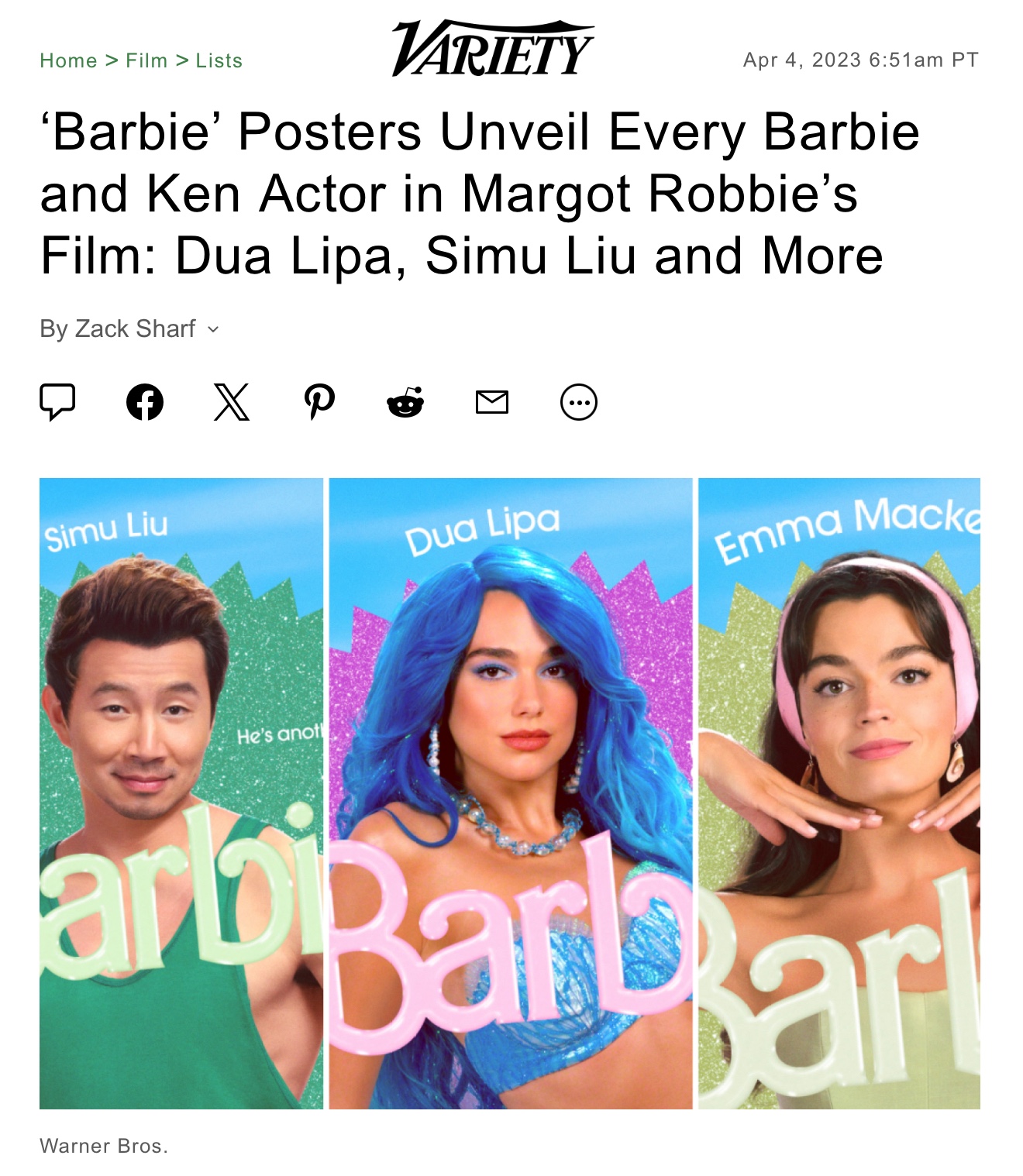
Flores integrated “Barbie” within such brands and branded Barbie’s signature pink logo on every digital screen. AI filters even “Barbified” the user by inserting them in the film’s poster like one of the characters.
A novel rivalry added fuel to the fire. As big-budget films from major studios with strong star power in their casts, “Barbie” and “Oppenheimer” didn’t have much in common. After all, the World War II-era film follows the life of J. Robert Oppenheimer and his role in developing the first nuclear weapons. But the winking competition, known as Barbenheimer, worked and helped to generate plenty of hype around both films, which opened in theaters on the same day.
No one knew the premise of “Barbie.” It was an iconic plastic doll mass-produced by Mattel. How could it be a film? A trail of pink partnerships was an invitation to find out until they saw the gingerbread house of a teaser.
The initial teaser trailer paid homage to the film “2001: A Space Odyssey,” leaving audiences in awe. Children smashing stereotypical dolls after gazing up at a giant Barbie doll offered an effective advanced look at the film.
The trail of breadcrumbs played its part.
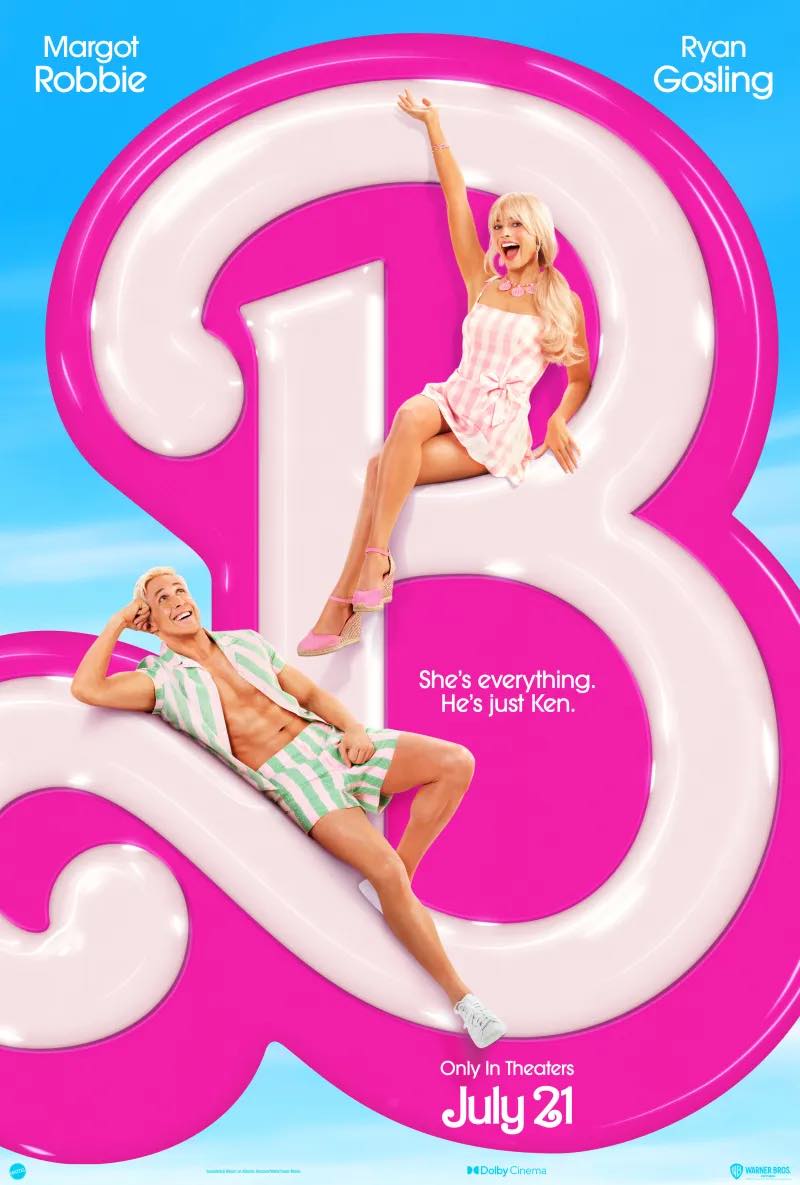
Poster for the film Barbie. Academy of Motion Picture Arts and Sciences, 2024, https://collections.new.oscars.org/Details/Archive/72357633.

Chocolate and Magic
A breadcrumb trail worked for “Barbie.” “Wonka” found something sweeter and more timely for the magical world of chocolate. Warner Bros. Global Digital Marketing Manager Adrianna Garcia curated the perfect Christmas story void of music but full of familial warmth.
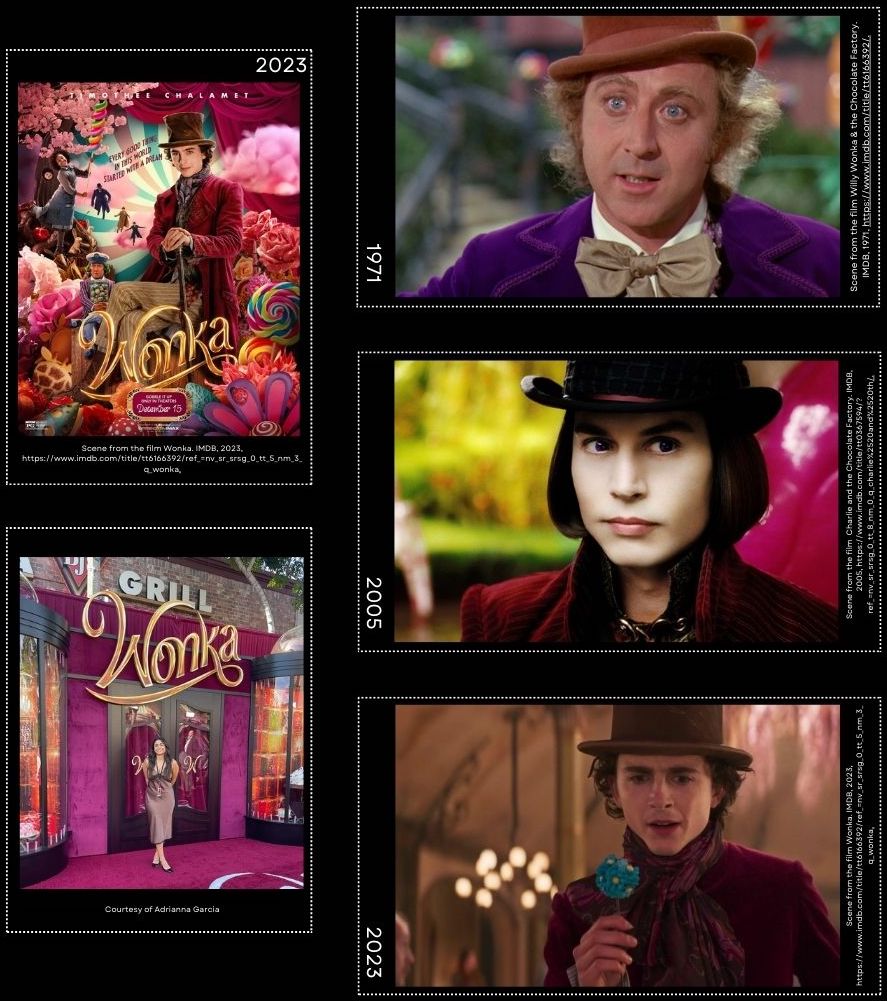
Willy Wonka has been played by a trio of beloved stars— Gene Wilder, Johnny Depp, and now, Timothée Chalamet. They all played a different Wonka. The question for the new “Wonka” was how to bridge the gap between those films — the first came out in 1971 — and draw audiences of all ages.
“Bring in families,” said Garcia. “Create a whimsical experience for children so they beg their parents to take them to theaters.”
The generational bond honored Gene Wilder’s legacy. Chalamet was not the new Wonka, he was a younger, goofy, charming version. “Wonka” portrayed his magical journey before the chocolate factory. It didn’t replace the previous films, it told the story of his growth.
Warner Bros. didn’t promote “Wonka” as a musical because they learned from “West Side Story” and “Dear Evan Hansen” that musicals turned audiences off. Exit polls from screenings of “Mean Girls” (2024) revealed that 16% of theater audiences were disappointed in the sudden singing. TikToks showed collective groans in theaters when dialogues transitioned to lyrics.
The strategy for “Wonka” focused on the chocolate-coated magical story. Then, Warner Bros released “Pure Imagination,” a song by Timothee Chalamet as he builds his chocolate factory, a few weeks before its theatrical debut.
This release weaved a magical journey with a subtle melody. “Wonka” placed first at the box office, earning $142 million domestically.
Stay Real
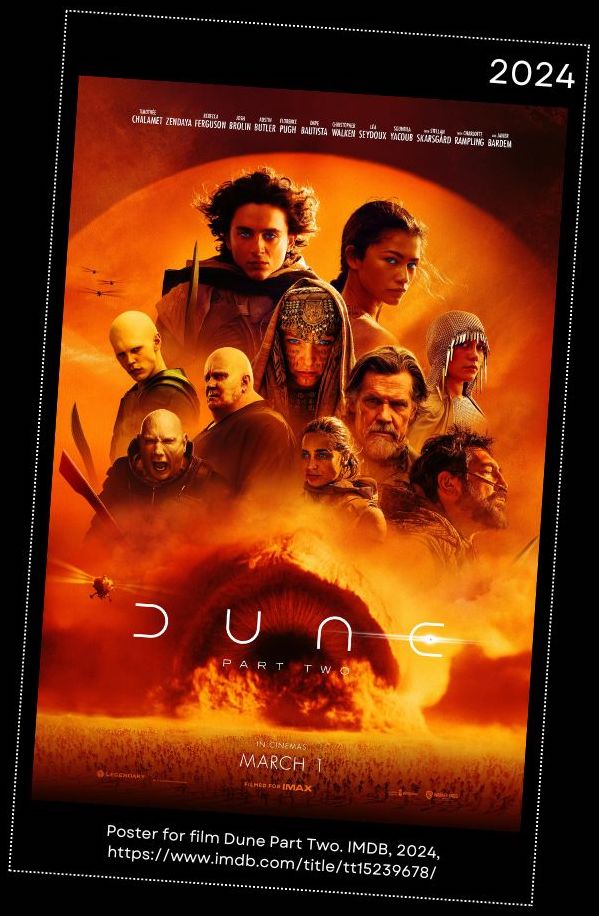
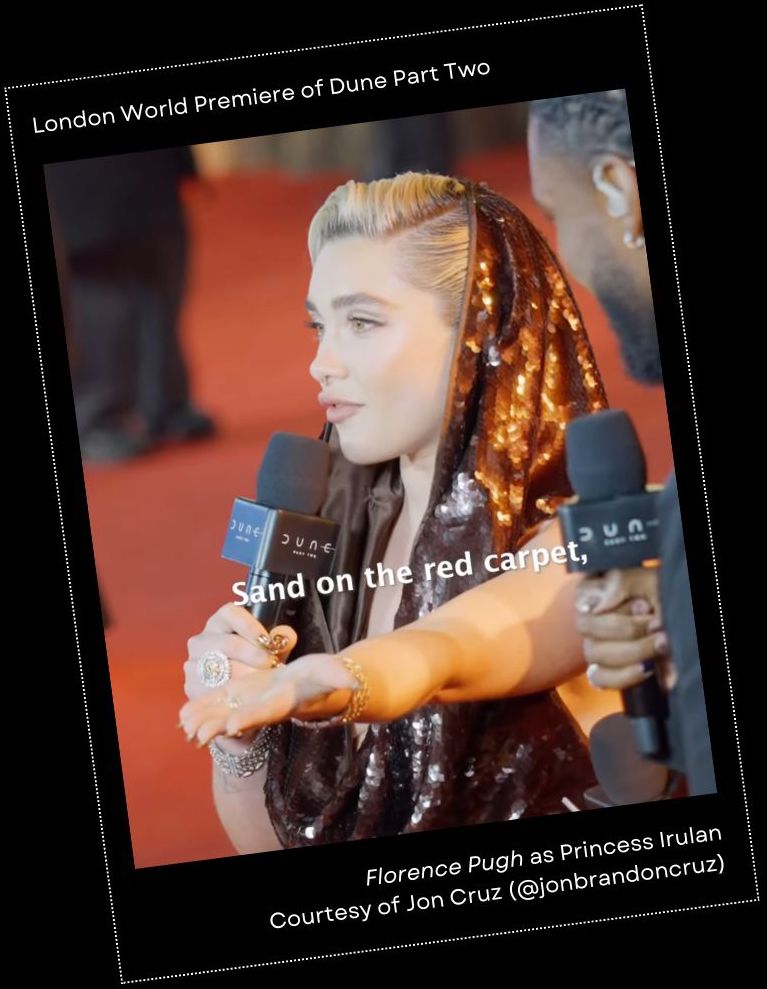
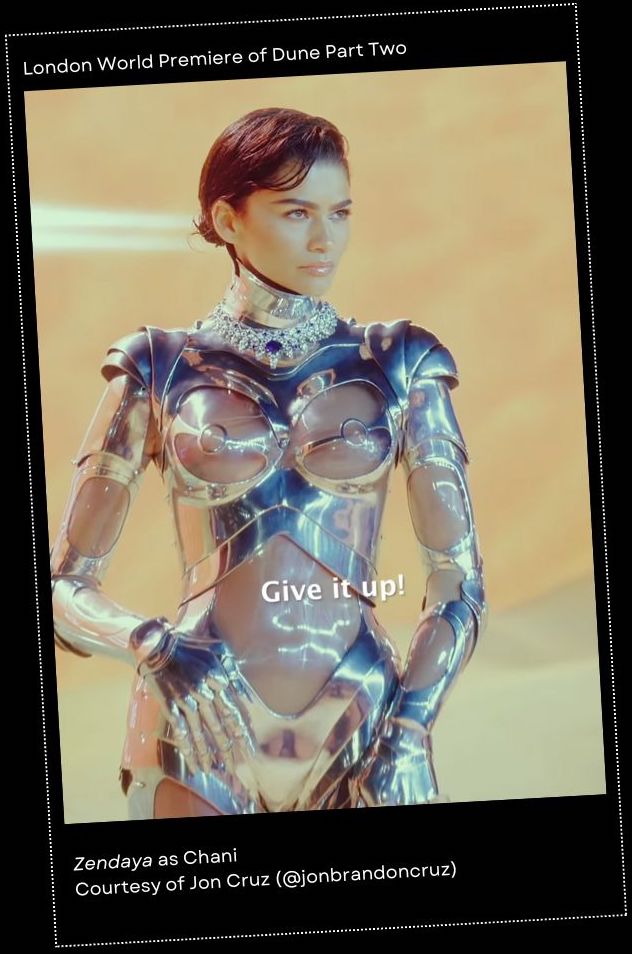
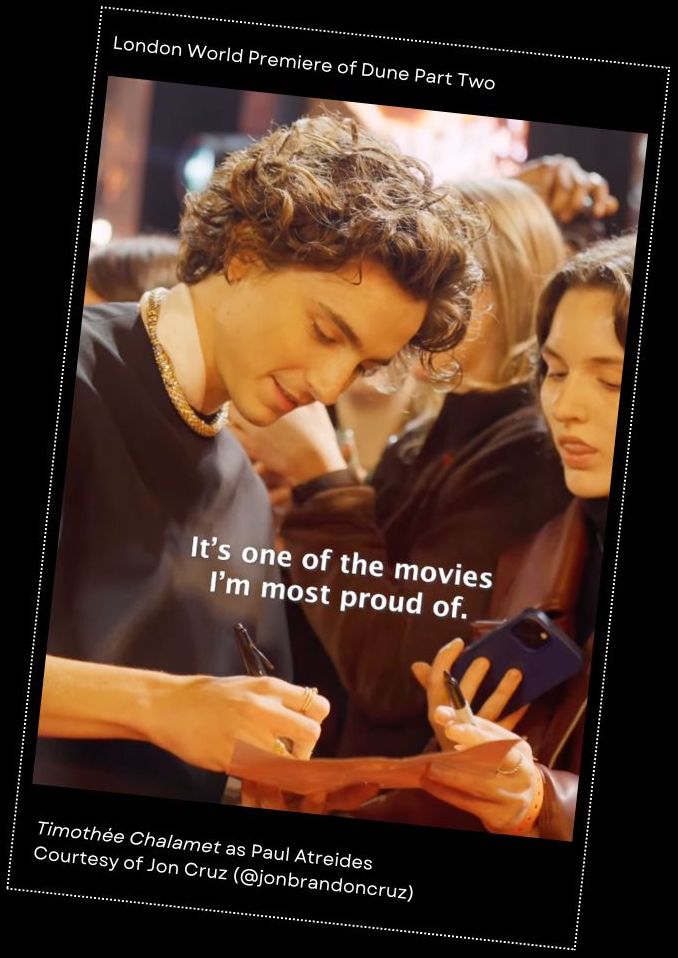
After “Wonka,” Chalamet reappeared in “Dune: Part 2” alongside Zendaya, Florence Pugh, and Austin Butler. What better way to generate buzz for a film than an amazing cast? Content creator Jon Cruz kept it real by blurring the lines between marketing and the cool stuff.
A recap video reel capturing the month-long press tour in Mexico, South Korea, and the UK, was cool. Cruz marked Mexico City for the film’s launch in Latin America, London for the European premiere, and Seoul for the Asian audience.
He captured global fan reactions, fashion, and cast quotes. His unique editing style built momentum for this sequel film using dynamic transitions and rapid camera movements, backed by sound bites from the cast, fans, and natural sound from the premiere.
Cruz used storytelling through celebrity voices and fan reactions to keep it real.