indie films
Working to make the small films big.
Scroll right ᐅ
Independent filmmakers compete in a league of their own. In addition to competing with a wide range of content, they require potential investors and audiences to fund their projects.
“Marketing is often overlooked when budgeting an Indie film,” said actress and filmmaker Jules Bruff.
Outreach to investors for funding also draws potential audiences, creating a greater marketing effect.
Promoting a Sisyphean Effort
An indie film is a Sisyphean effort. “It’s like pushing a stone up the hill and then it rolls back down on you,” said Bruff. How does one lodge the stone in place? Niche tricks like befriending film festivals, reading social issues, and outreach work.
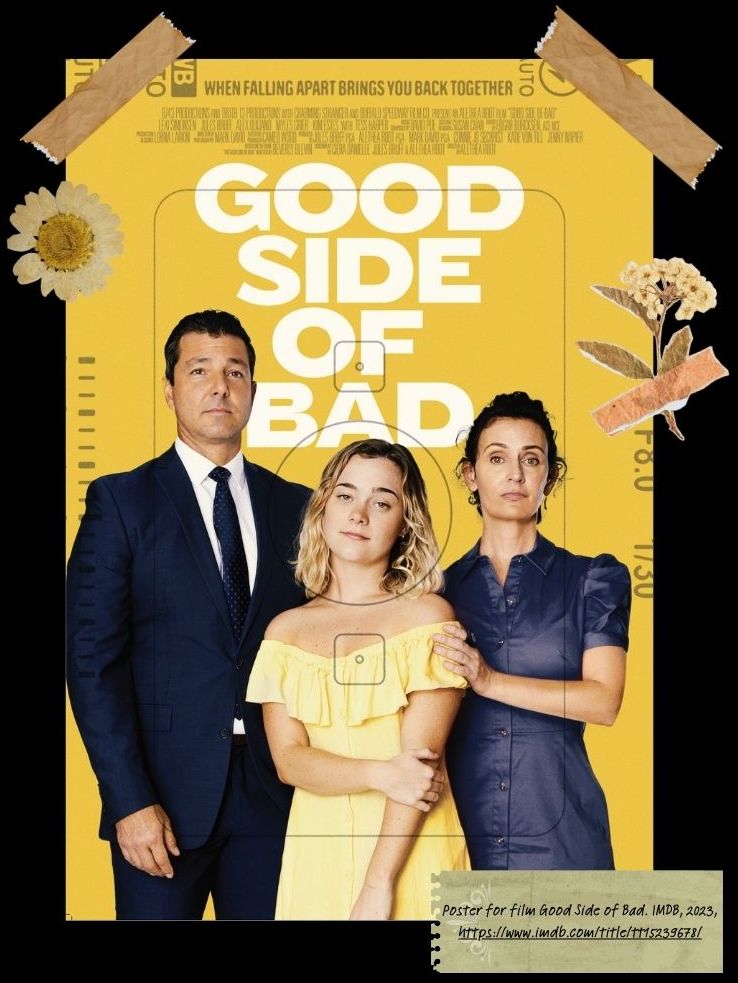
With “Good Side of Bad,” a film about a dysfunctional family helping their sister with schizophrenia, Bruff targeted Mental Health Awareness Month in May, drawing awareness to its relevance. She handed flyers at festivals and enlisted on their database, building rapport for future outreach.
“Marketing is largely dependent on cast and crew and their ability to reach online audiences effectively,” said Elena Hansen, founder of social media agency Swim Social.
This outreach is reposting from the official film account, engaging with fans with personal stories, and filming behind-the-scenes content.
“Sometimes people will be talking about the film on your behalf, and that's a big win for indie films,” said Hansen.
Build the Parachute Later?
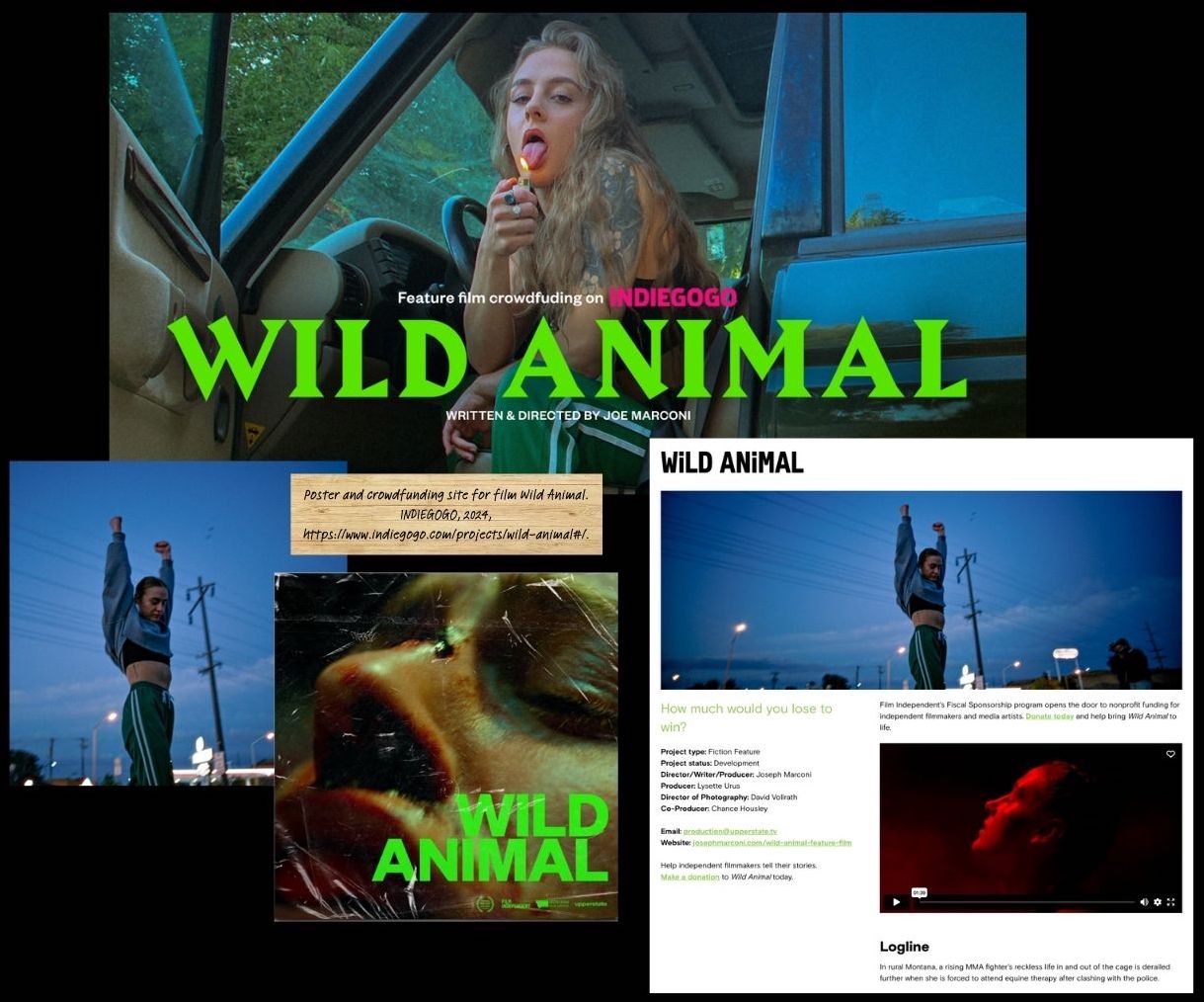
Crowdfunding is like jumping out of a plane without a parachute. Actor Maury Sterling and Director Joe Marconi had no choice but to make the dive when they launched the campaign to fund the feature film “Wild Animal.”
Getting the name out to an online crowd was easy. It created momentum because the sense of urgency elicited interest and built a supportive audience. Funding was a different matter.
No one was donating money.
Sterling and Marconi condensed their contacts on Instagram and Facebook. Marconi also shared the synopsis and trailer for visual support on the crowdfunding website. Did it work?
Crowdfunding was useless when it came to tangible help. More funding came through backchannels and side conversations with close friends than from anonymous donors intrigued by the campaign.
It was uncomfortable and time-intensive, according to Marconi. They couldn’t build the parachute so they did damage control by leveraging private contacts instead.
“I would never go through it again,” said Marconi.
'It takes at least three impressions to getsomeone to watch a film.'
A trailer, a rave review, or a banner ad can be the “Third Impression” to draw an audience. Founder Matt Delman coined the name of his data-driven digital marketing agency following the traffic of comments and likes garnered by this third impression.
How do indie films create this impression?
Most impressions, views, and likes for a post, are paid for by a film’s promoters. Third Impression analyzes target audiences and works on Facebook, Instagram, and TikTok ads. They customize social media toolkits including captions, photos, and links, for influencers and casts to post to their social channels, leveraging audience engagement.
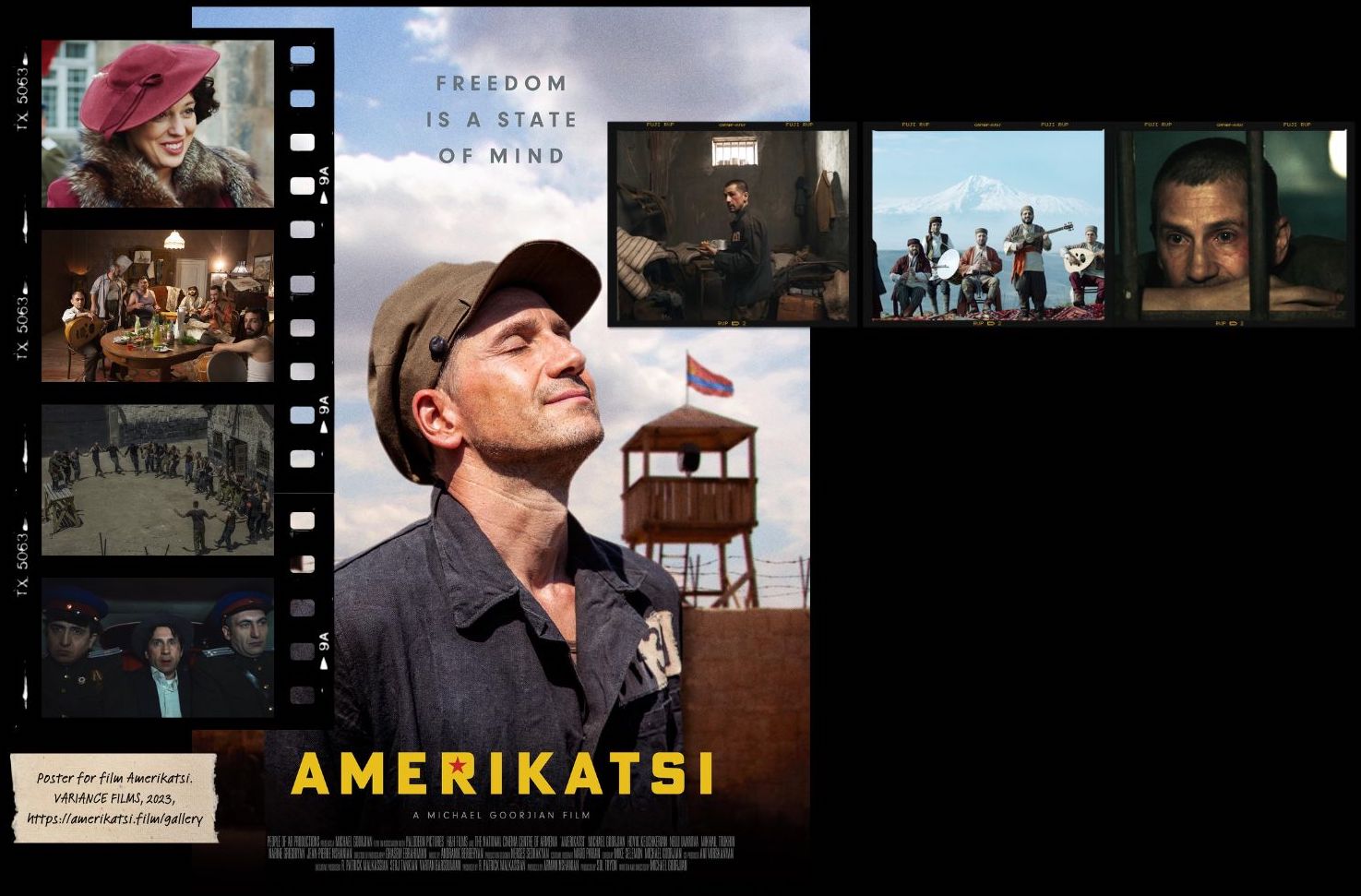
“Amerikatsi,” about an American-Armenian man who returns to Armenia under Soviet rule as he searches for a connection to the land he fled during the genocide there, peaked with “organic posting” on Instagram.
This involves cross-posting, posting simultaneously from two or three Instagram accounts, which drives traffic to a single post and increases engagement. Delman also used Advantage+ Ad Placements, a feature that automatically sets up ads on Facebook and Instagram.
Finding the right target audience for “Amerikatsi” was important. The filmmakers wanted to target the Armenian community and connect with Armenian Americans. They included Armenian-related keywords, on Google search and social media, like Armenia, Armenian language, and Armenian cuisine in the targeting strategy for an audience ID.
An “audience ID” is an Excel sheet that categorizes different keywords of various demographics and interests that might connect with the film.
Third Impression then pivoted to selling banner ads across websites, enabling clients to purchase affordable ads to appear on their websites as paid media.
Delman leveraged the third impression with strong social media placements.